Wild Garlic Cheese Scones That Actually Taste Like Wild Garlic
Wild garlic cheese scones with a deep, garlicky flavour. Soft, cheesy, and quick to make.
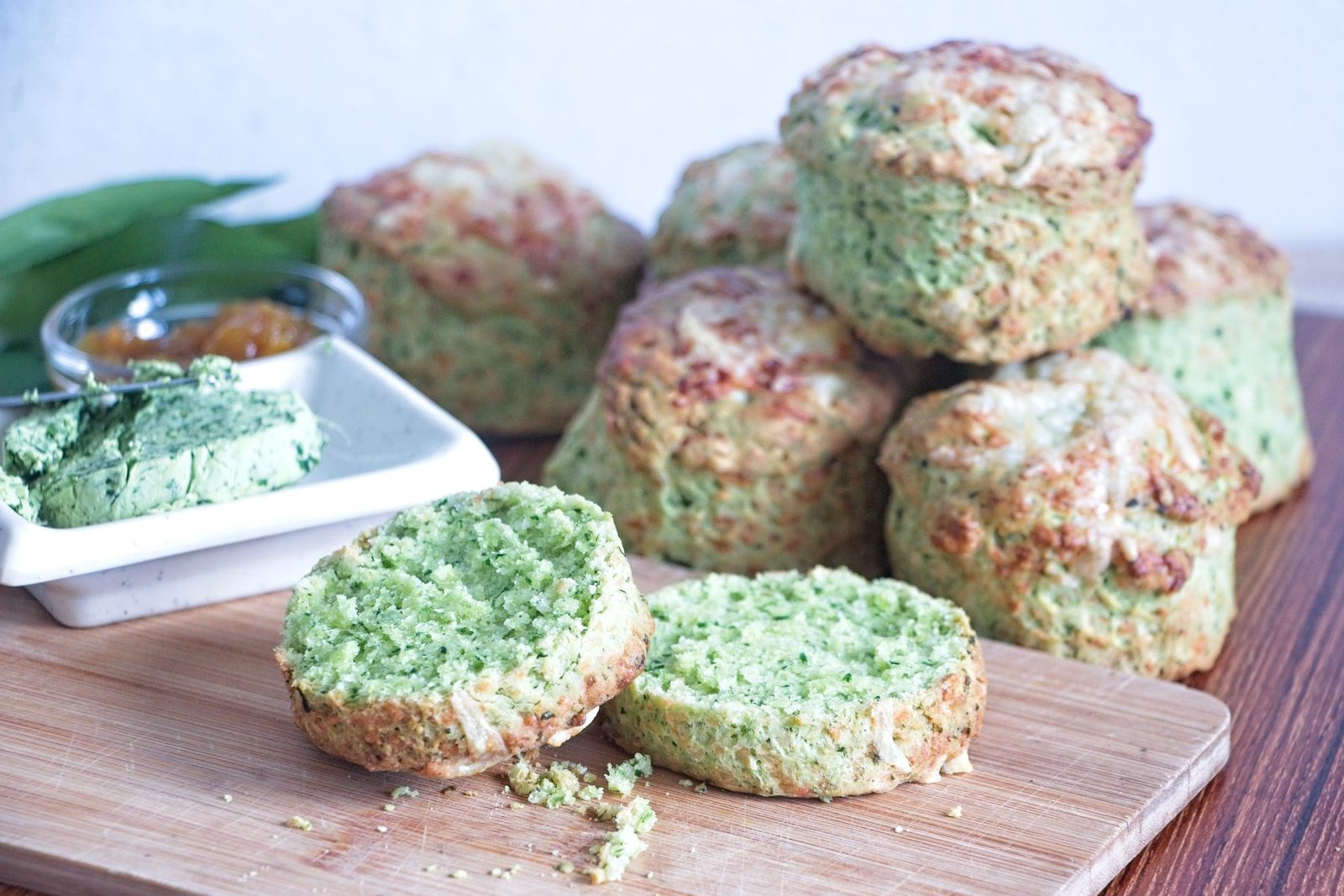
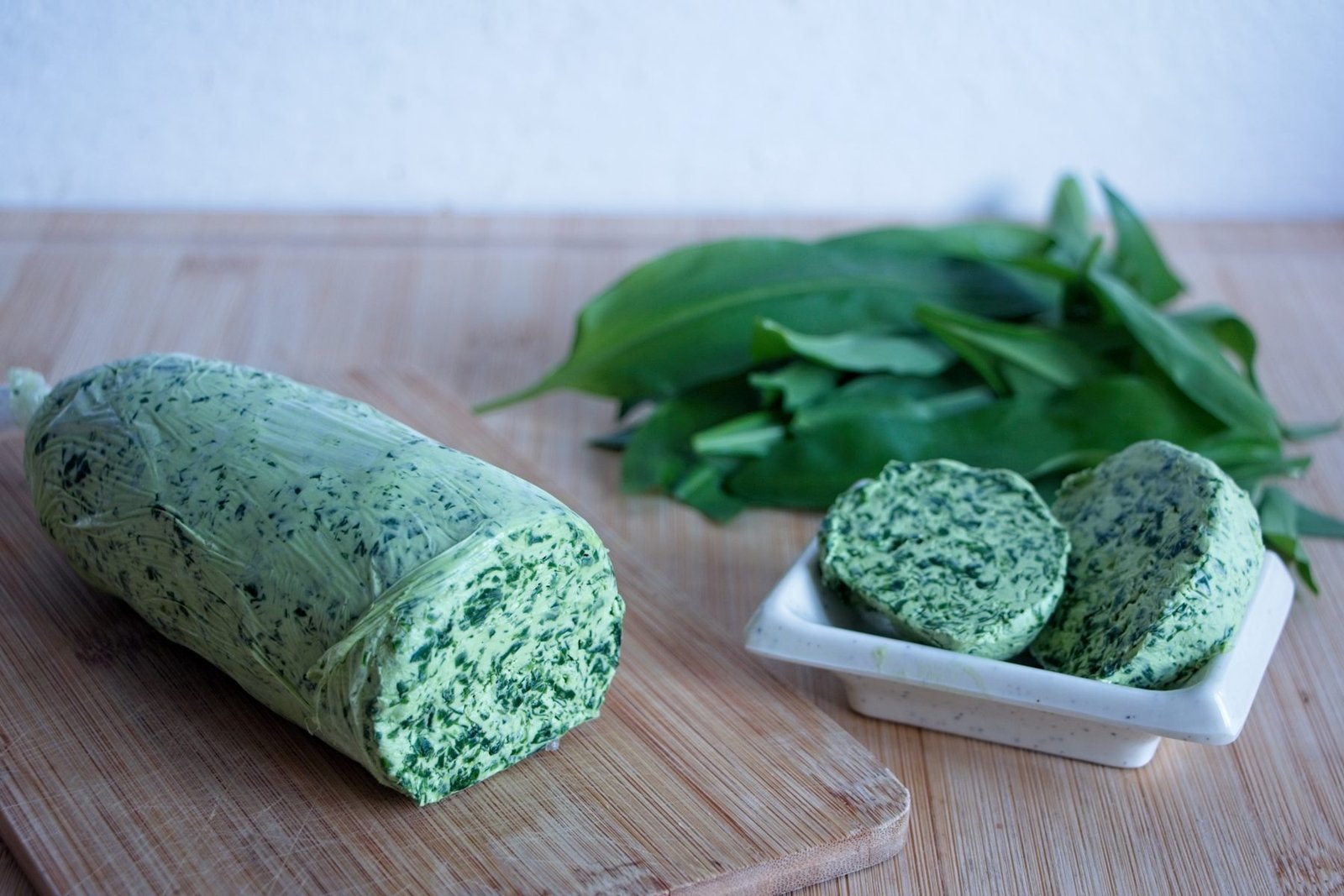
These wild garlic cheese scones are packed with a strong garlicky flavour — thanks to one simple upgrade: wild garlic butter.
If you have ever tried to cook with wild garlic by chopping up a few leaves and mixing them in to whatever you happen to be making, there is a fair chance you have been disappointed with the result. That intense, unmistakable aroma it has when raw can be surprisingly difficult to carry through once it’s cooked
The trick is to lock that flavour into fat first — either butter or oil. It won’t hit quite as sharply as it does raw, but what you get instead is something better suited to cooking: a rounded, gently garlicky depth that runs through the whole scone without overpowering it.
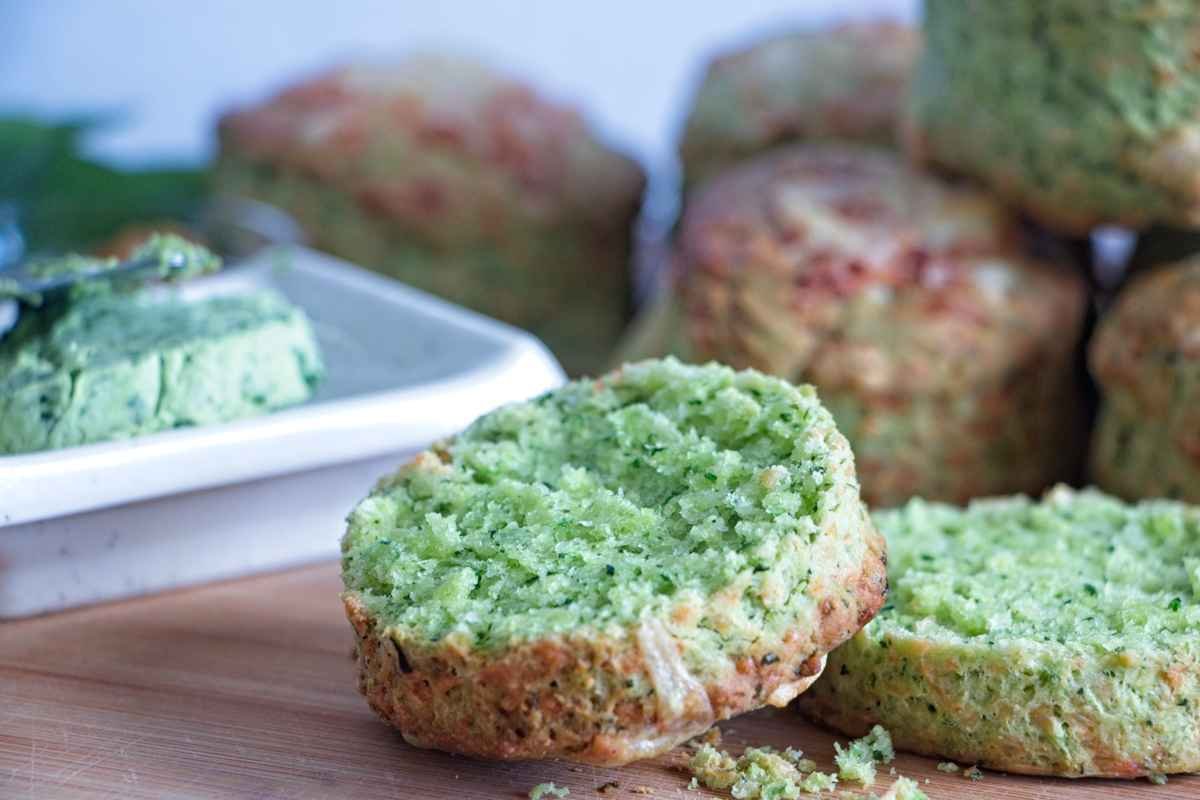
These wild garlic cheese scones come out the oven golden and lightly crisp, with a soft, tender, and vivid green centre. The tangy taste of cheddar combines amazingly with the gently garlicky flavour of wild garlic.Quick to prepare and quick to cook — and so irresistible they don’t last long once they’re out of the oven.
What Is Wild Garlic?
Wild garlic, also known as ramsons, is a leafy plant that grows abundantly in woodland areas during spring.

It has a fresh, mild flavour — almost like a herbal version of garlic — much softer and less harsh than regular garlic. It is often used to replace basil in pesto recipes for a garlicky twist, or often features as a seasonal twisting in dumpling fillings.
If you need some help identifying wild garlic, I have written a few paragraphs here, or here is a comprehensive guide on foraging this amazing spring ingredient.
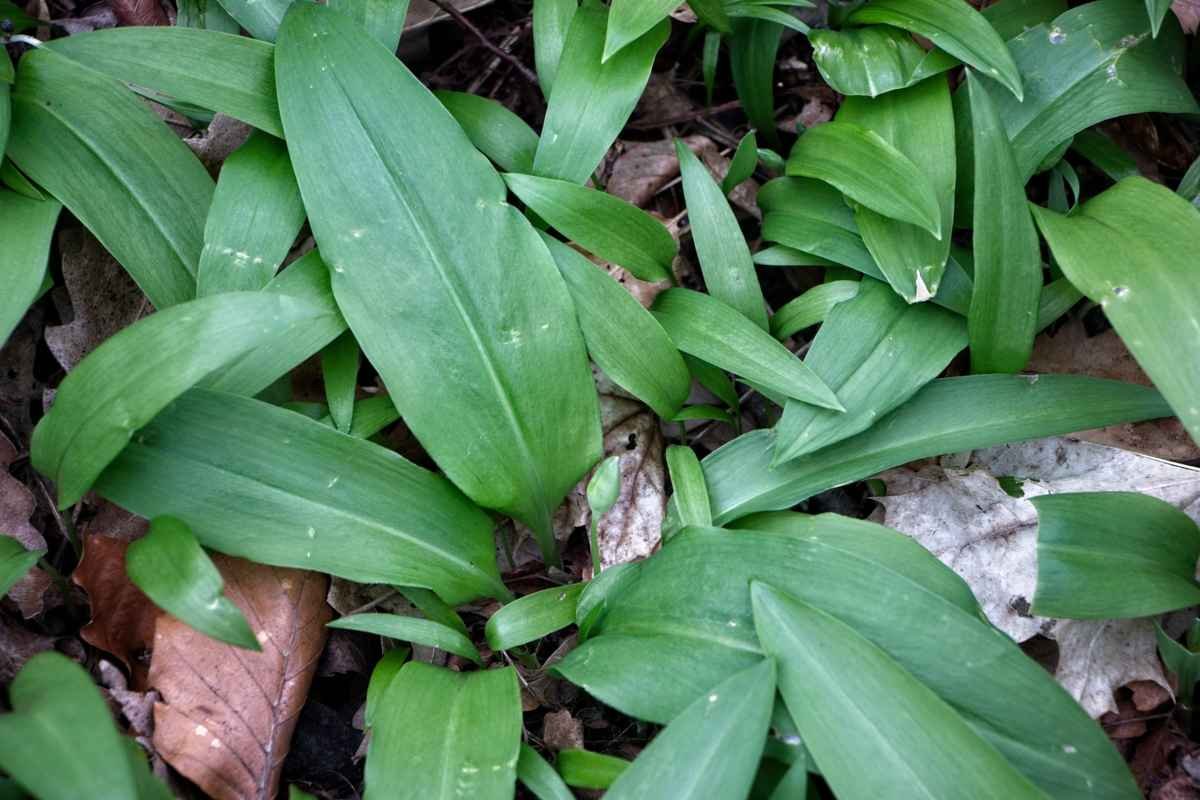
As always, only consume foraged ingredients if you are 100% certain of identification. Never munch on a hunch!
Why This Recipe Works
Most wild garlic recipes simply mix chopped leaves into the dough, which can leave the flavour uneven and easy to lose during baking.
The key difference here is using wild garlic butter. Many of the compounds that give wild garlic its flavour are fat-soluble, meaning they bind far more effectively to fat than to water. By blending the leaves into butter first, you capture and hold onto those aromatic compounds instead of letting them fade during cooking.

For the best result, it’s worth making the wild garlic butter ahead of time. This gives the flavour time to fully infuse, leading to a deeper aroma and a more pronounced garlic note throughout the finished scones.
Instead of adding wild garlic as an afterthought, cooking with wild garlic this way distributes the flavour throughout the entire dish and into every bite.
Ingredients
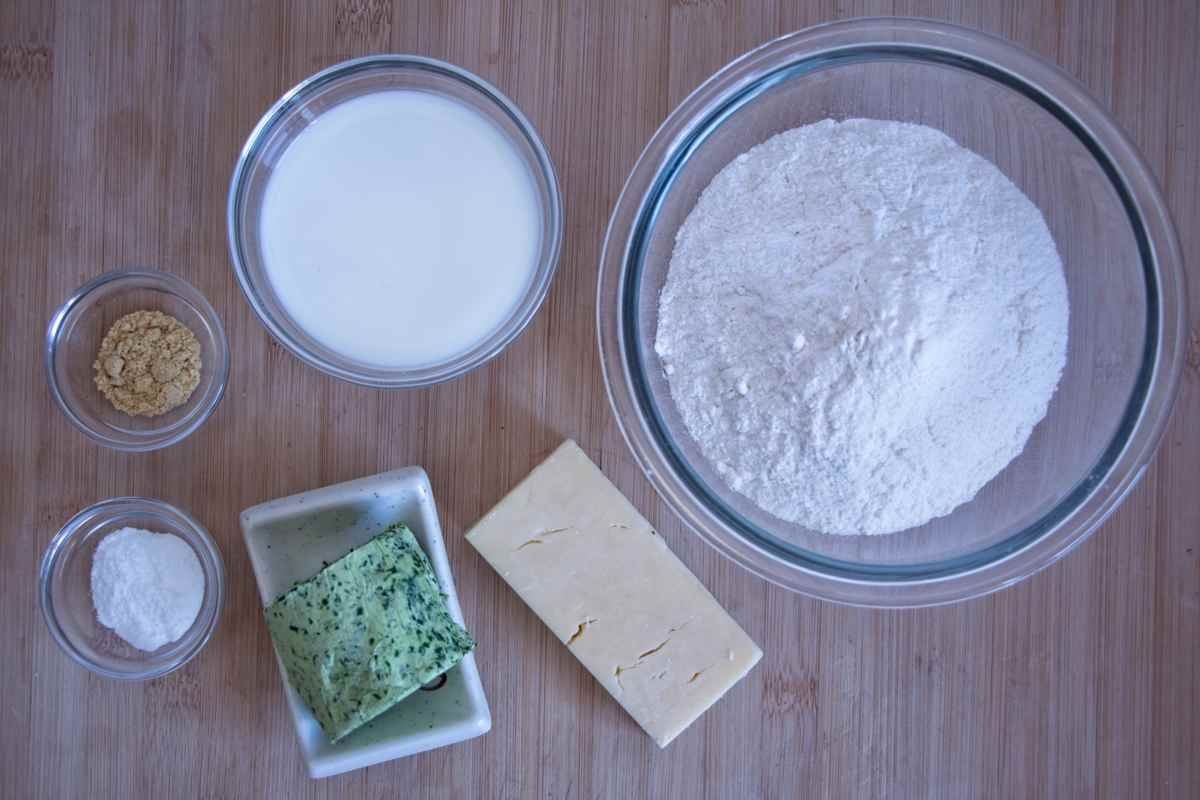
To make wild garlic cheese scones, you only need a handful of simple ingredients:
- Self raising flour (or plain flour with added baking powder)
- Baking powder
- Wild garlic butter
- Mature cheddar
- Milk
- Mustard powder
To get started, you will need a good block of wild garlic butter. Follow this link to make that before continuing. I generally make big batches of wild garlic butter while it’s widely available and then keep it in logs in the freezer and cut off bits as I need it.
Keep in mind:
- Use a strong, mature cheddar — mild cheese won’t carry the flavour
- Keep the butter cold — this is what gives you a lighter crumb and better rise
- This recipe uses more wild garlic butter than a typical scone recipe would use regular butter. That’s because the butter itself is around 40% wild garlic, so not all of it is contributing fat. To keep the texture right, the overall amount is increased — ensuring there’s still enough fat in the dough to keep them soft.
How to Make Wild Garlic Cheese Scones
Preheat and prepare
Preheat the oven to 200°C (180°C fan) and line a flat baking tray with parchment paper.
Mix the dry ingredients
In a large bowl, combine the flour, baking powder, salt, mustard powder, and cayenne.
If using plain flour instead of self-raising, add extra baking powder now — about 1 tsp per 100g flour — to ensure a good rise.
Rub in the butter
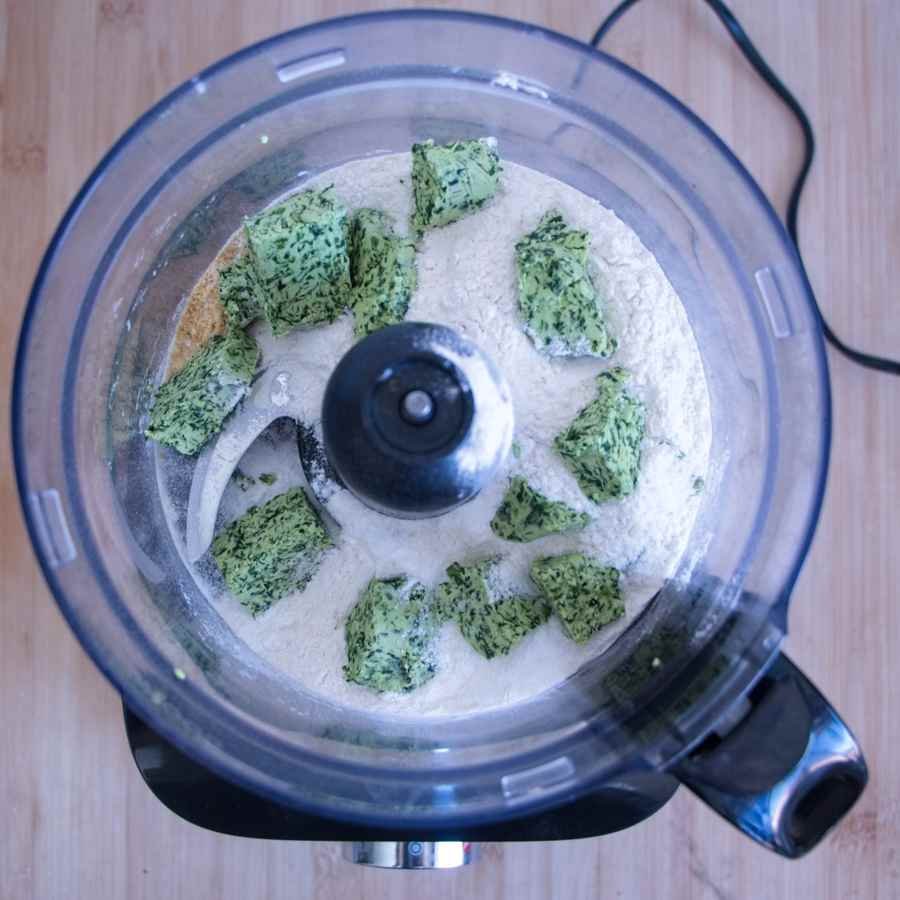
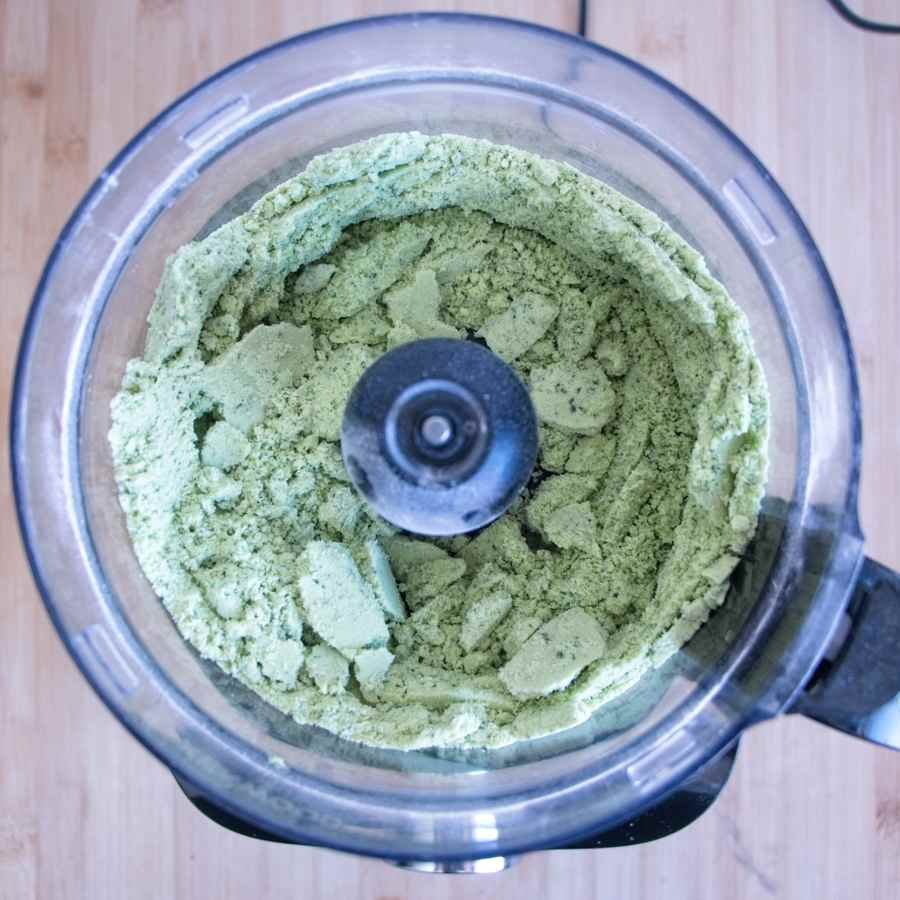
Add the cold wild garlic butter, cut into small cubes. Rub it into the flour using your fingertips until the mixture resembles coarse crumbs. Work quickly so the butter stays cold — this creates a lighter, more tender texture.
Kitchen Hack: Use a food processor and pulse in short bursts to quickly rub the butter into the flour. This speeds things up and prevents the butter from warming up in your hands, which helps keep the texture light and flaky. I always do this — it’s worth the extra washing up.
Add the cheese
Stir in most of the grated cheddar, reserving a small handful for topping. Mix lightly so it’s evenly distributed without compressing the mixture.
Bring the dough together
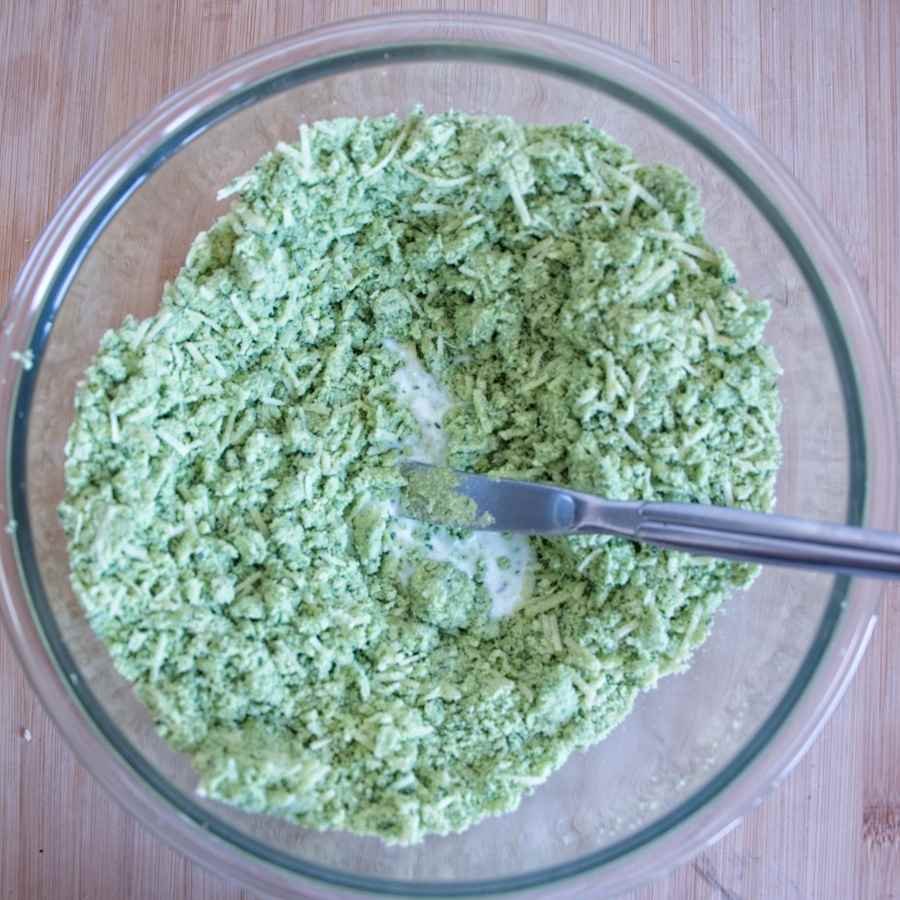
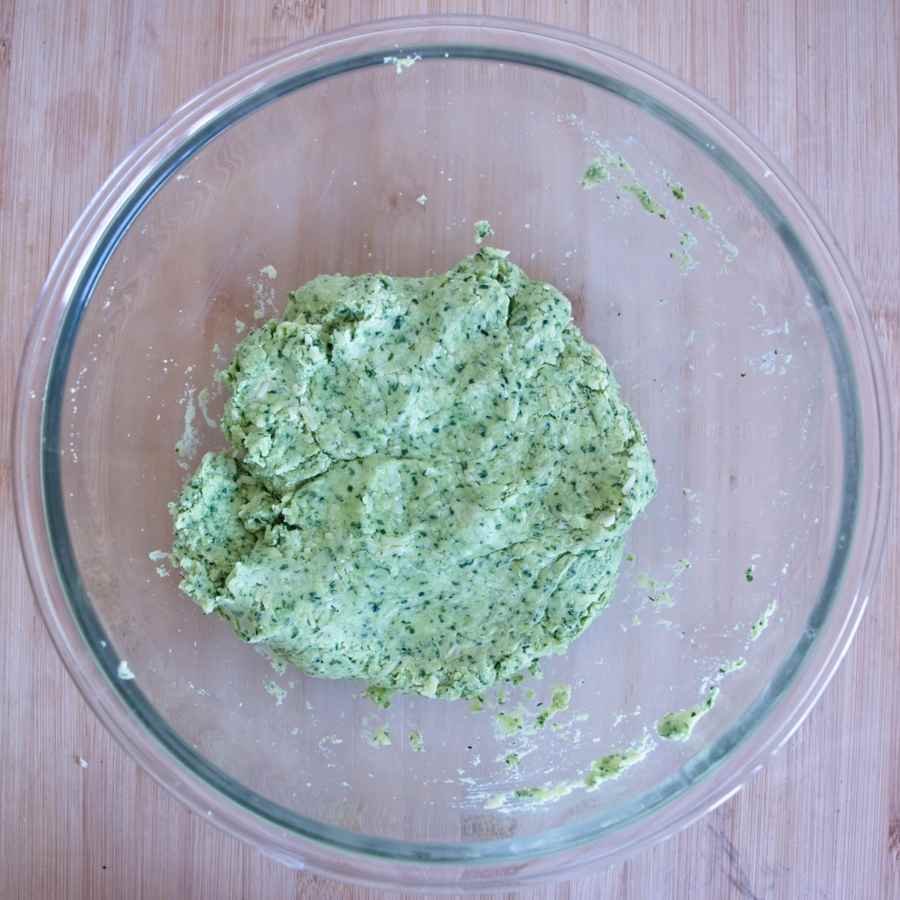
Create a well in the middle of the bowl and pour in the milk gradually, mixing with a knife or spatula until a soft dough forms. It should be slightly sticky but hold together. There is a good chance you may not need all the milk. Always add slowly are make sure it is properly mixed in before adding more.
Adjust:
- Too dry → add a splash more milk
- Too wet → dust lightly with flour
Avoid overmixing — stop as soon as it comes together.
Shape the dough
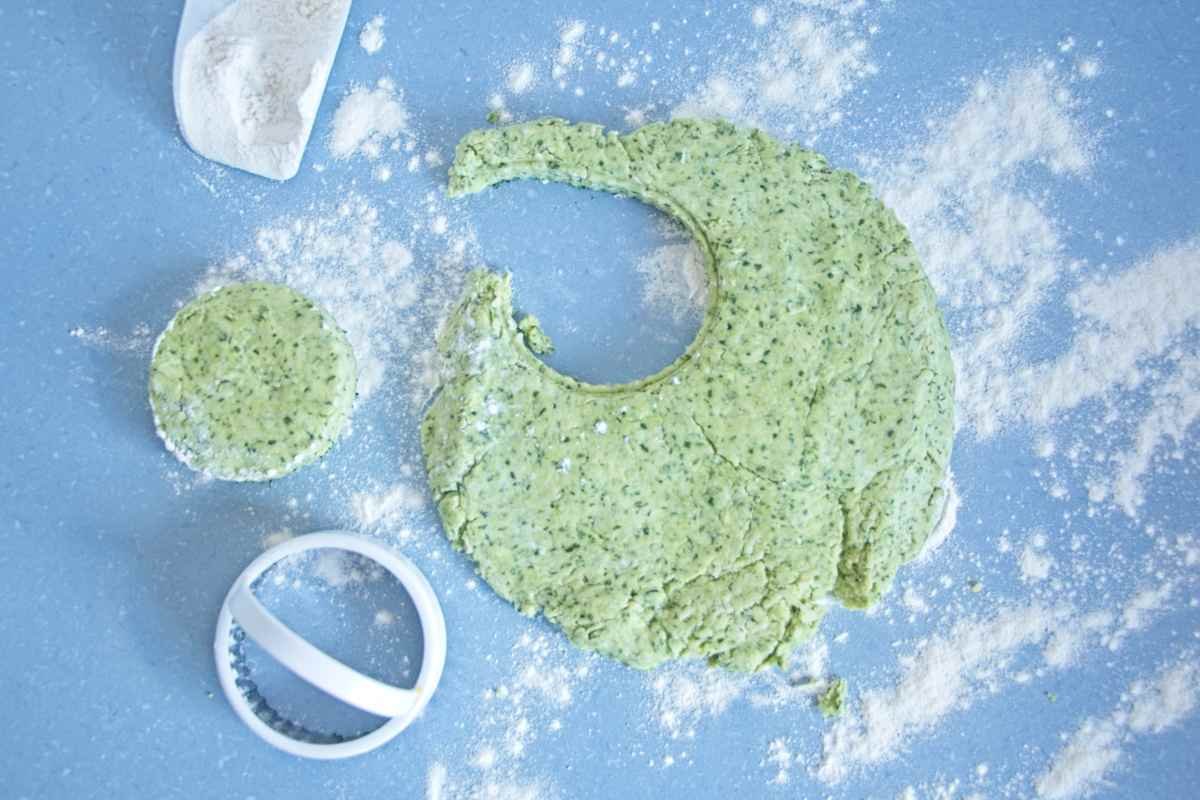
Turn the dough onto a lightly floured surface. Gently pat it to about 2-3 cm thick. There is no need for a rolling pin here. The less you work the dough, the better the scone will be.
Cut the scones
Cut using a round cutter or knife. Press straight down — don’t twist! Twisting the cutter will lead to strange shaped, twisted scones.
Take any scraps and gently pat them back together and re-cut. As you keep going, the last bit of dough will probably be a bit overworked and will rise into a bit of a mutant when cooking.
Finish and top
Place the scones on the tray with a little space between them. Brush the tops with milk and sprinkle over the remaining cheese.
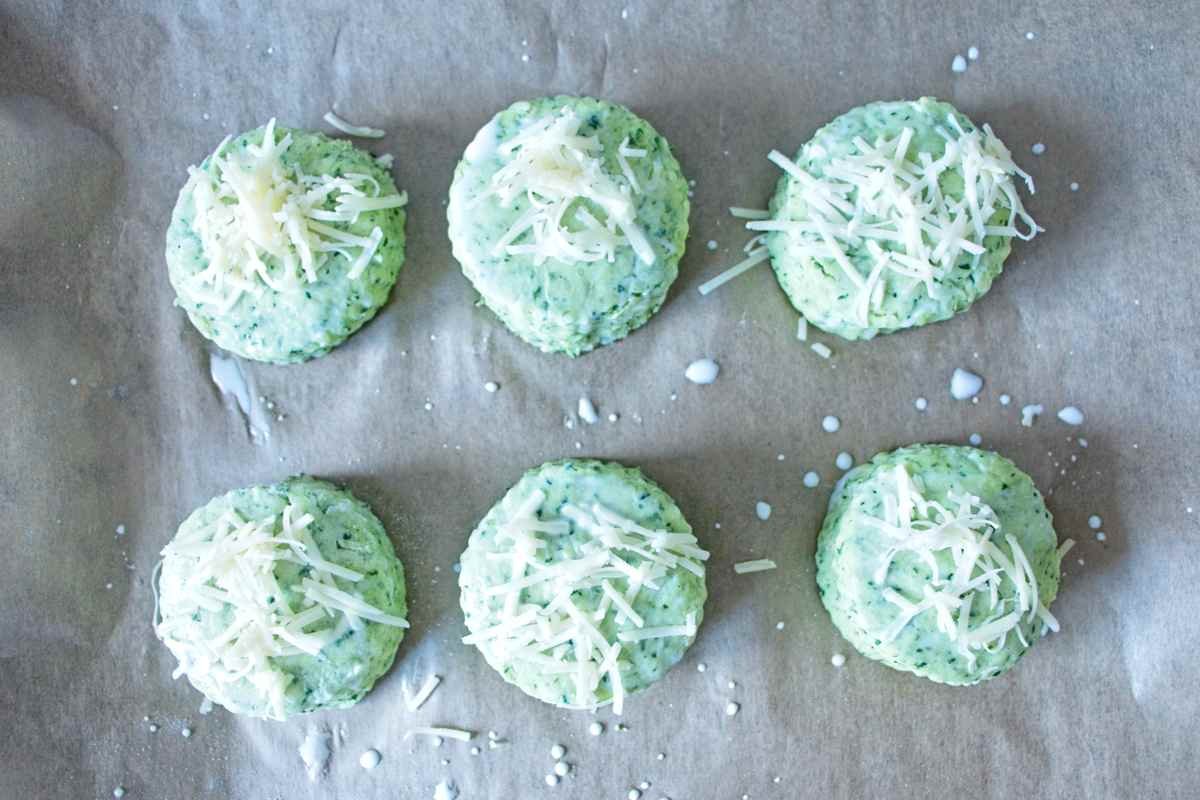
Bake
Bake for 15–18 minutes, until:
- Tops are golden brown
- Scones feel firm and springy
- Bases sound slightly hollow when tapped
If they colour too quickly, lower the tray or reduce heat slightly.
Cool briefly and serve
Leave to cool for 5 minutes before serving. Best eaten warm — the texture sets slightly as they rest.
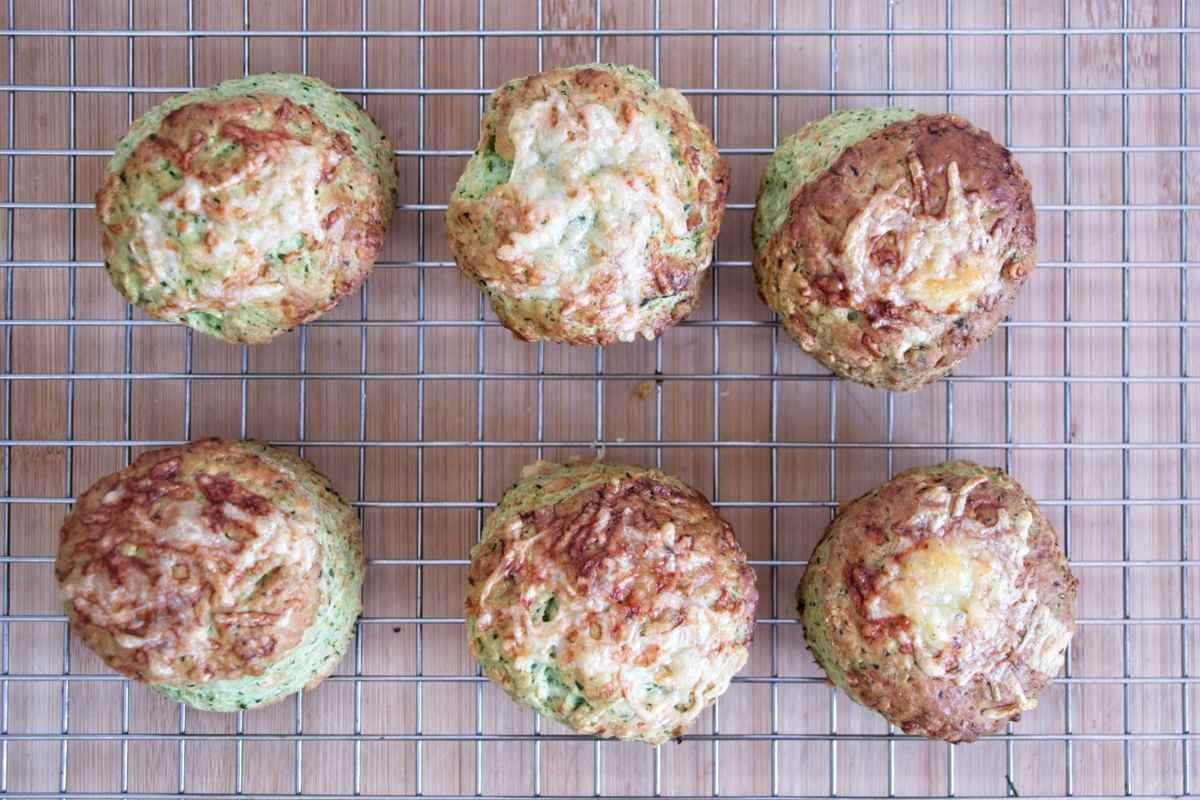
Tips for Perfect Scones
A few small details make a big difference to how your scones turn out:
- Keep the butter cold → this creates steam as it bakes, giving a better rise and lighter texture
- Use a food processor to rub butter into flour → this is much quicker than rubbing in by hand and keeps the butter much cooler than your fingers ever could
- Don’t overmix the dough → stop as soon as it comes together to avoid dense, heavy scones
- Aim for a soft dough → slightly sticky is ideal; dry dough leads to dry scones
- Cut them thick (2–3 cm) → thicker dough gives you taller, more impressive scones
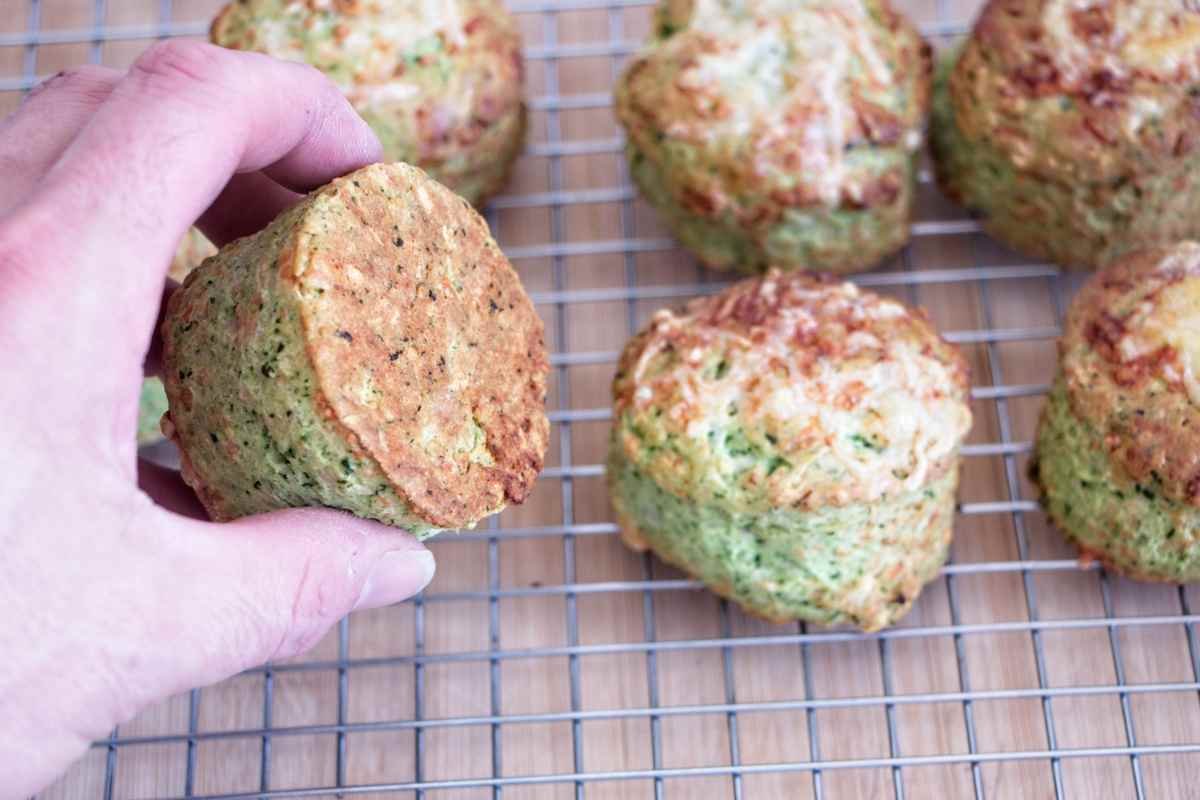
What to Serve Them With
These scones are best served warm, while the texture is still soft and the cheese is slightly melted.
They pair especially well with:
- Soup → a classic, simple pairing that lets the flavour stand out
- Extra wild garlic butter → for an even deeper garlic hit
- Chutney or relish → something sharp or slightly sweet balances the richness.
My personal favourite is a slather of butter, some sharp chutney, and a wedge of a strong blue cheese. Maybe a pickled onion on the side.

Storage & Freezing
These are best eaten fresh, but they store well if needed.
- Room temperature: Keep in an airtight container for up to 2 days. Scones that are not kept airtight dry out very quickly.
- Freezing: Scones freeze very well, making them ideal for batch baking. Freeze for up to 3 months once fully cooled
- Reheating: Warm in the oven at 160°C for 5–8 minutes to bring them back to life
Avoid microwaving if possible — it softens them too much and makes them strangely chewy.
Wild Garlic Cheese Scones
Ingredients
- 225 g self-raising flour or 225g plain flour plus an additional 2 tsp baking powder
- 1 tsp baking powder
- ¼ tsp salt
- ½ tsp mustard powder
- 100 g mature cheddar grated
- 90 –100 ml milk
- 1 tbsp milk for brushing
Instructions
- Preheat oven to 200°C (180°C fan) and line a tray.
- Mix flour, baking powder, salt, and mustard powder
- Rub in the cold wild garlic butter until crumbly.
- Stir in most of the cheese, reserving some for topping.
- Add milk gradually to form a soft dough. Do not overmix.
- Pat out to 2–3 cm thick and cut into rounds or wedges.
- Place on tray, brush with milk, and top with remaining cheese.
- Bake for 15–18 minutes until golden and firm.
- Cool briefly before serving.
Notes
Frequently Asked Questions
Not really. Dried garlic gives a harsher, more direct flavour and won’t replicate the fresh, herbal quality of wild garlic. If you don’t have wild garlic, it’s better to use fresh garlic very lightly, or try garlic-infused butter instead.
Yes. Shape the scones, then freeze them on a tray before transferring to a bag. Bake straight from frozen, adding a few extra minutes to the cooking time.
A few common reasons: Butter was too warm, dough was over mixed, not enough baking powder.
Make sure the dough stays light and cold, and get them into the oven quickly after mixing.
Yes, but they’ll lose a lot of flavour and richness. If you skip the cheese, consider adding a little extra seasoning or herbs to keep them interesting.