Pineapple Pepper Jelly with Habanero and Lemon Drop
Sweet, tangy pineapple pepper jelly with habanero and Lemon Drop chillies. A golden, spreadable jelly with a fiery kick, made for cheese boards.
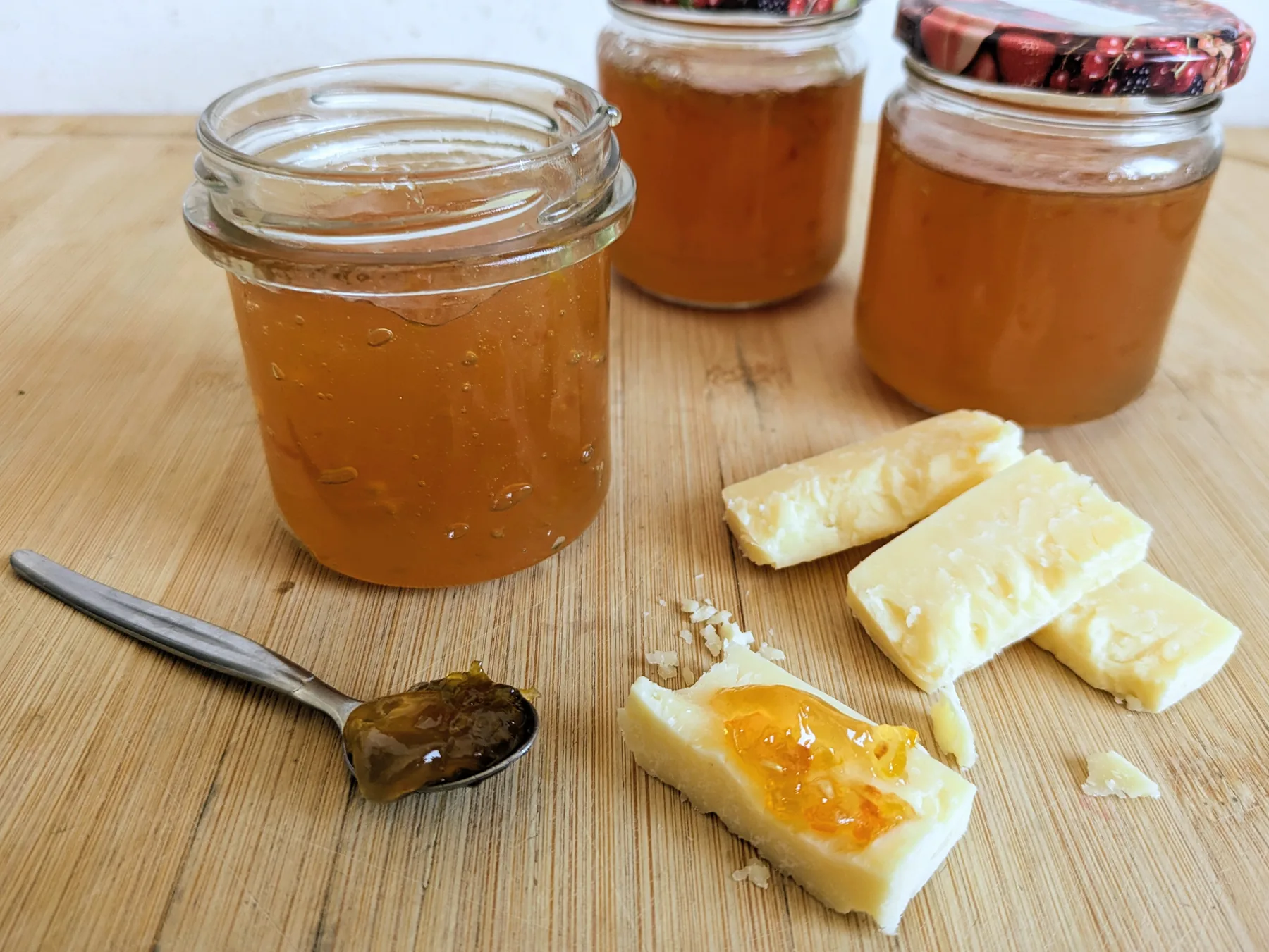
This pineapple pepper jelly recipe combines sweet, tangy pineapple with fruity habanero heat and citrusy Lemon Drop chillies.
Made with strained pineapple juice, it has a golden colour and fine chilli flecks throughout. Spoon this pineapple hot pepper jelly over cream cheese, serve it alongside mature cheddar or a decent blue. It packs a serious punch, though, so start with a small spoonful!
I used the last fresh Lemon Drops from this year’s harvest, along with an orange habanero I still had in the freezer from last year. I really like peach jalapeño jelly, so pineapple felt like a good way to give it a tropical twist as we head into the darker days of winter.
Ingredients for Pineapple Pepper Jelly
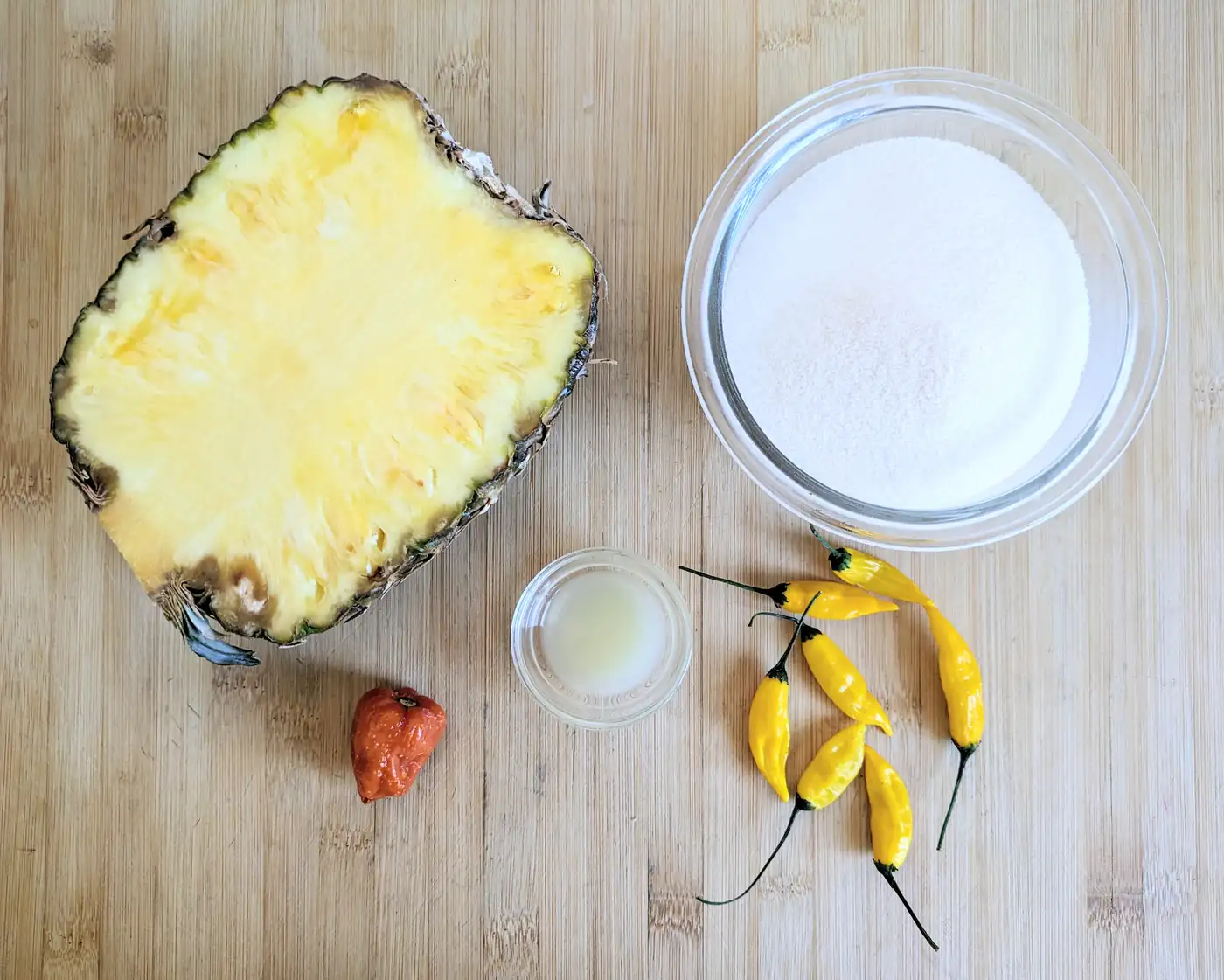
- Pineapple: fresh fruit, with the pulp strained out. You could just as easily use bottled juice or tinned pineapples here.
- Lemon Drop chillies: bring citrus flavour, heat and yellow flecks. If you don’t have them, bird’s eye are a good substitute.
- Habanero: adds fruity flavour and intense heat. Fresh or frozen both work.
- 1:1 gelling sugar: contains added pectin to help the jelly set. Plain sugar isn’t a direct substitute. If you wanted less sweet, you could use 2:1 and cut the sugar by half.
- Lemon juice: adds tartness to balance the sweetness.
Does Pineapple Jelly Need Pectin?
Pineapple is naturally low in pectin, so it needs added pectin to help the jelly set. I used 1:1 gelling (jam) sugar, which already contains pectin, for this recipe.
As an experiment, I also made a second low sugar version of this recipe, replacing half the 1:1 gelling sugar with 100ml of my homemade quince pectin stock. It also set well, but as homemade pectin stocks vary wildly in strength (quince vs apple, for example), this was more of a fun experiment than a recommendation.
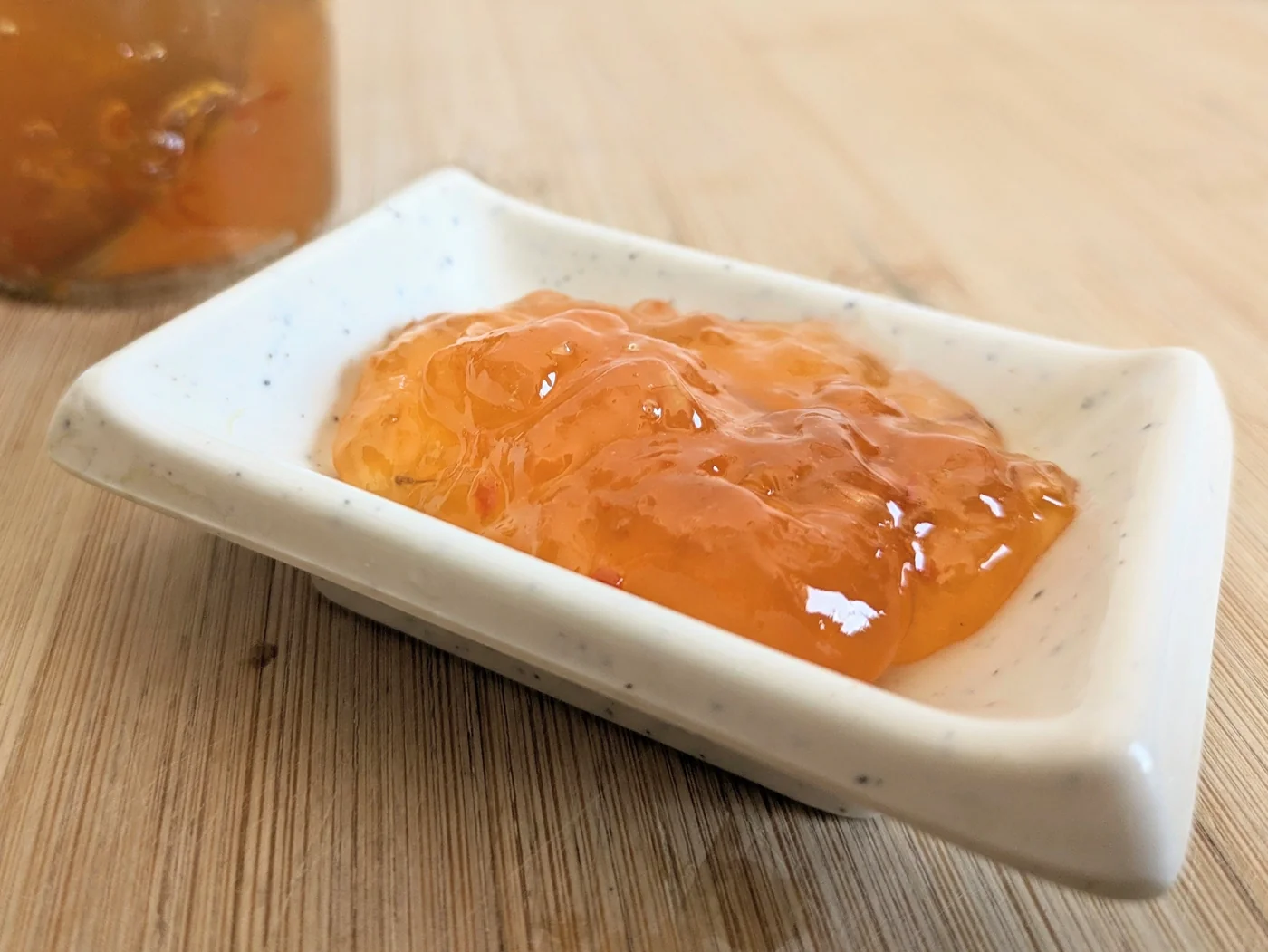
How to Make Pineapple Pepper Jelly
Extract the Pineapple Juice
Remove the pineapple skin and eyes, then chop the flesh and core into small pieces. Place in a saucepan with 200 ml water. Cover and simmer gently for around 20 minutes, until softened.
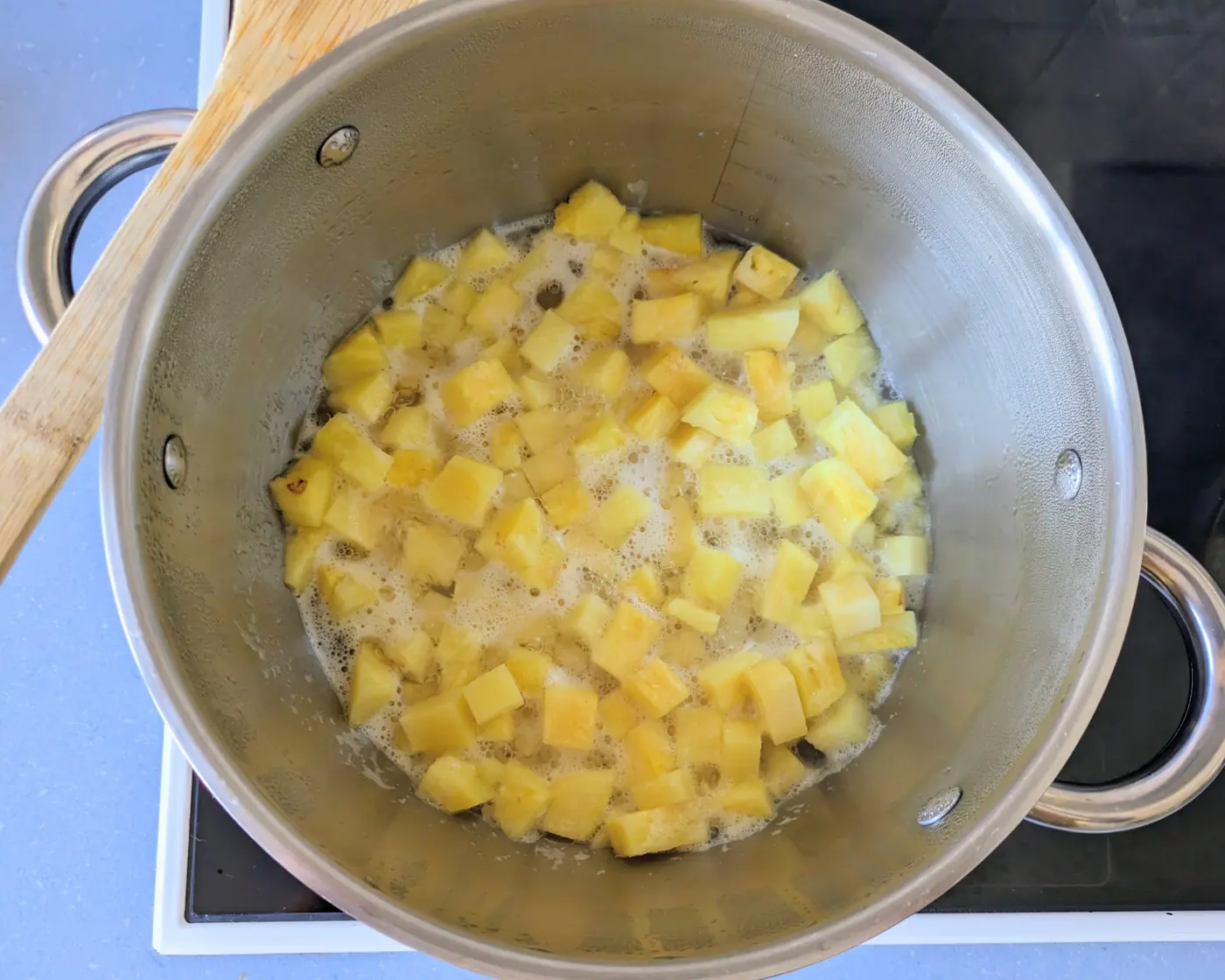
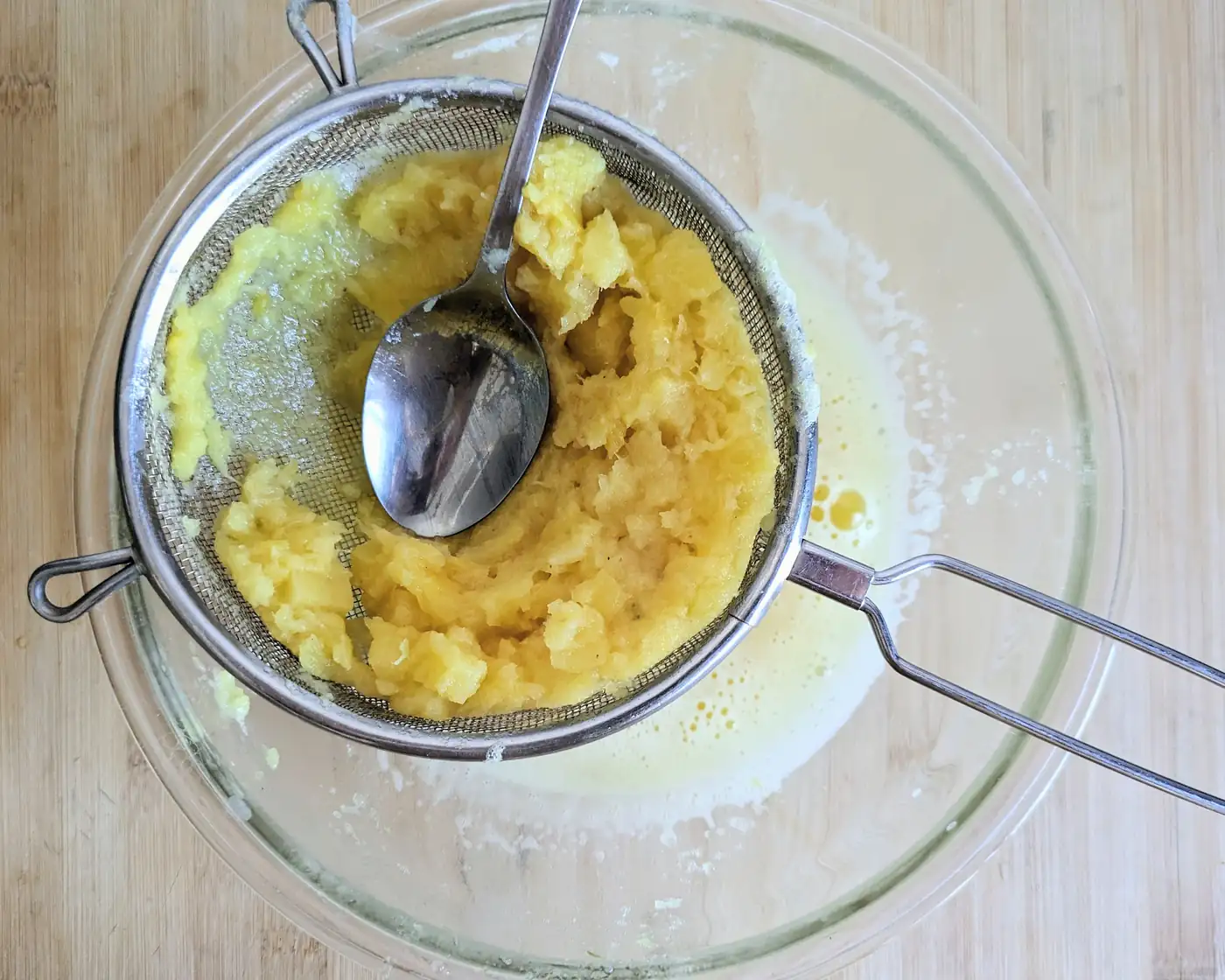
Allow to cool enough to handle safely, then blend and squeeze through a nut-milk bag or muslin-lined sieve. For a clearer jelly, strain the collected juice again through clean, damp muslin.
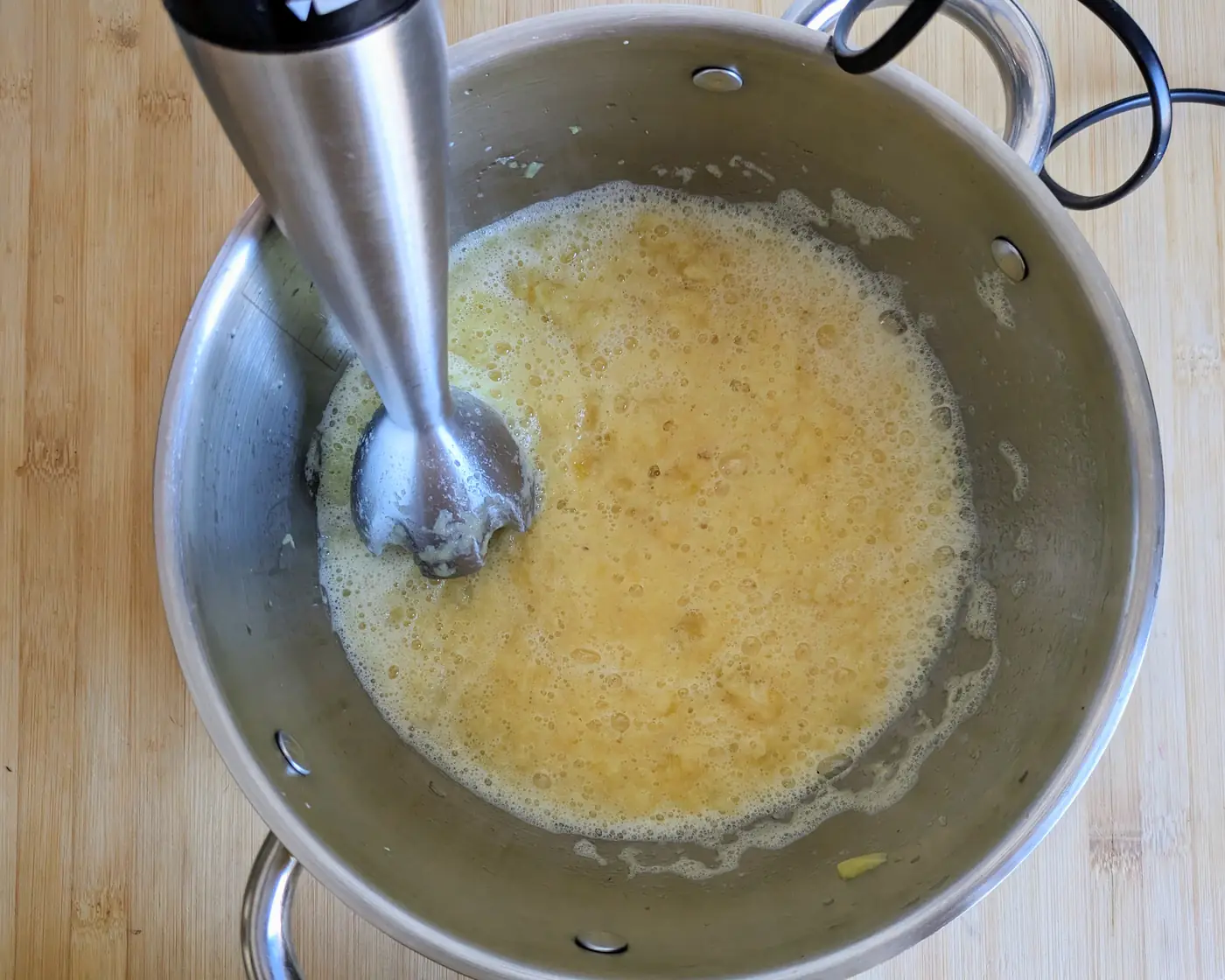
With my 900g fresh pineapple and 200ml water, I extracted around 400ml of intensely sweet pineapple juice.
If you are using bottled juice, just measure the 400ml out and save yourself some time and washing up.
Finely chop the chillies
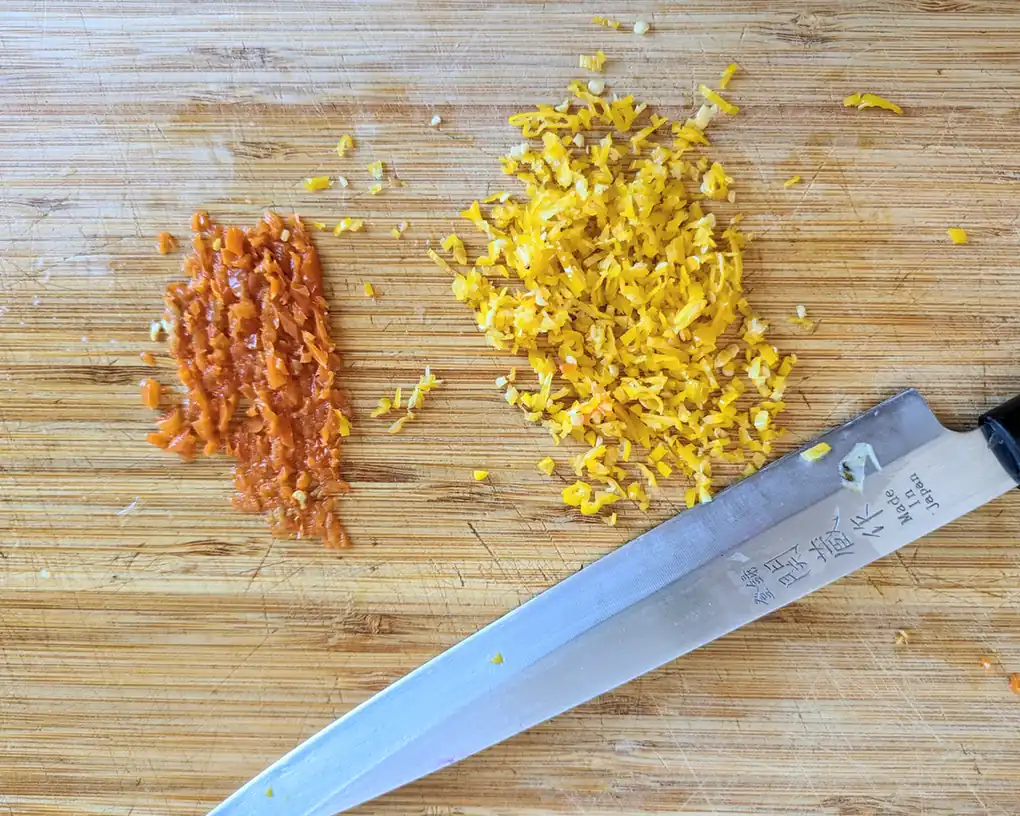
Wearing gloves, remove the stalks from the Lemon Drop chillies and habanero. Finely mince the flesh so the chilli flecks distribute evenly through the jelly.
I removed the seeds and the white from the habanero, but left them in the lemon drop.
Combine the ingredients
Pour the pineapple juice into a large saucepan. Add equal parts 1:1 jam sugar to the pineapple juice (I had 400 ml so added 400 g sugar), the lemon juice, the chopped chillis, and a pinch of salt.
Pop two small plates in the freezer for testing the set later.
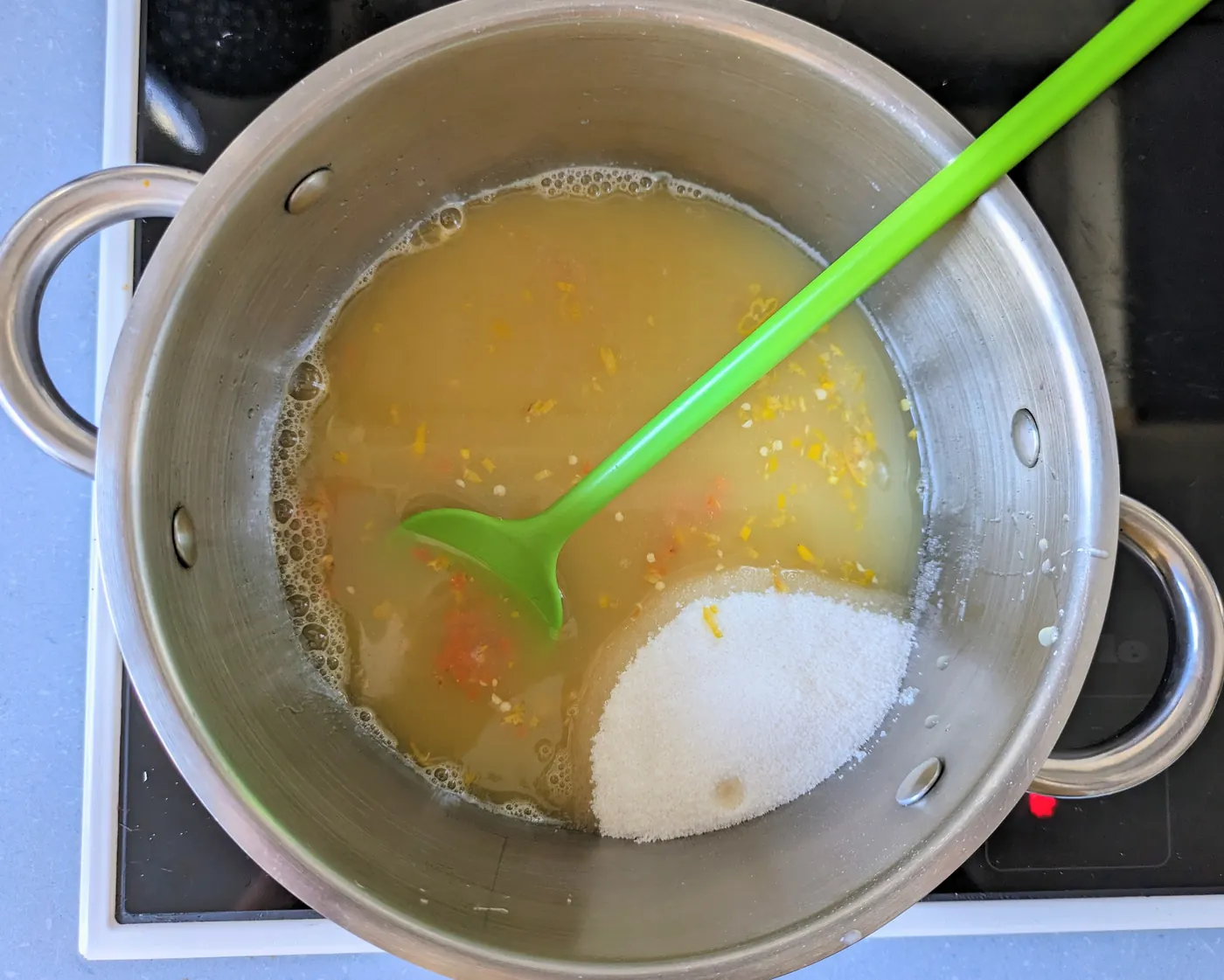
Bring to a rolling boil
Heat gently, stirring until the sugar dissolves. Bring to a full rolling boil that continues bubbling while stirred.
Follow the cooking time on your jam sugar packet, starting the timer once the mixture reaches a rolling boil. Stir throughout to prevent catching.
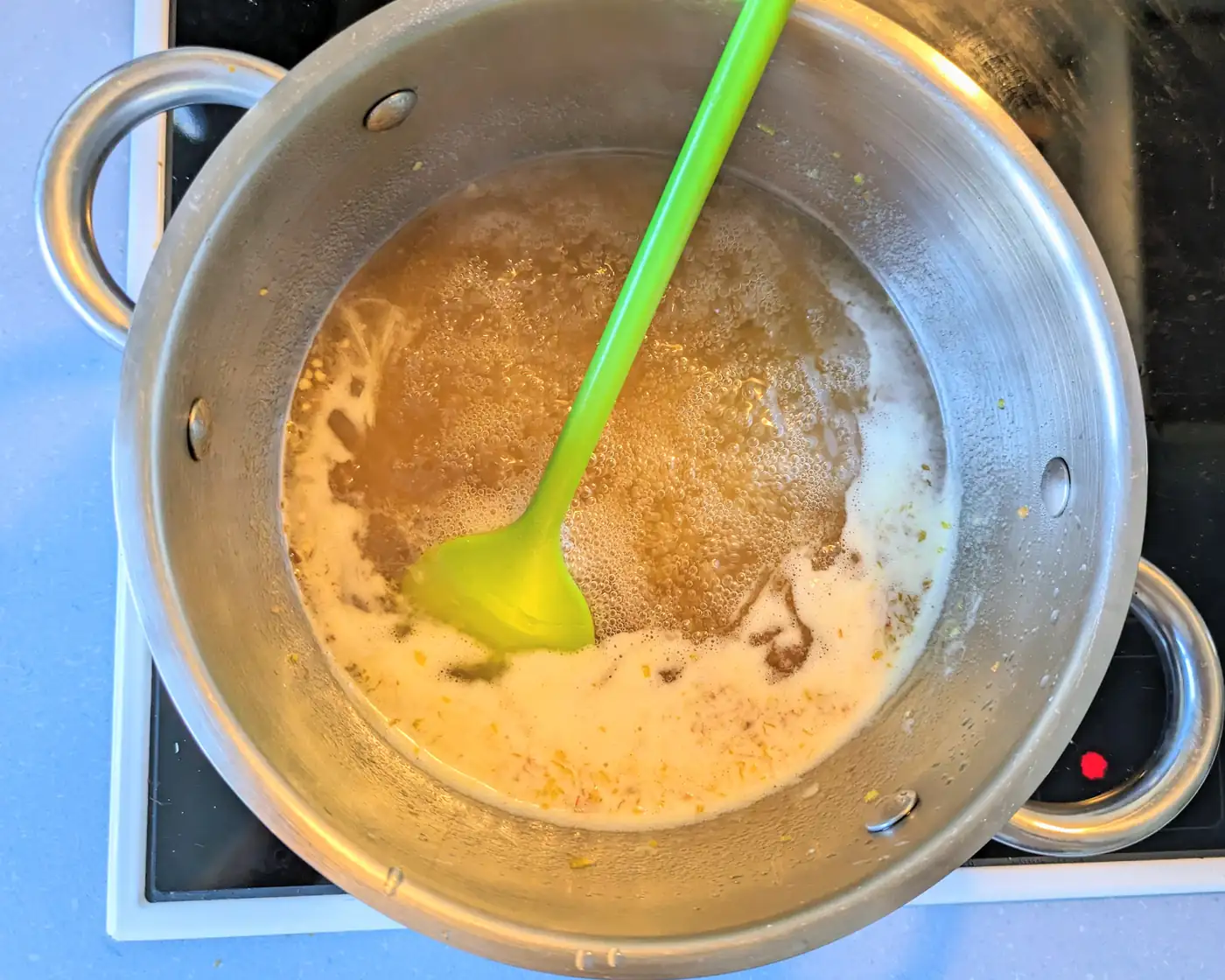
Test the set
Remove the pan from the heat and spoon a little jelly onto a chilled plate. Leave for about a minute, then gently push it with your finger. It should thicken and wrinkle slightly rather than run freely.
The jelly will continue to firm as it cools, so avoid repeatedly extending the cooking time to force a set, or you will discover later that your jelly sets so hard you’ll need to cut it with a knife!
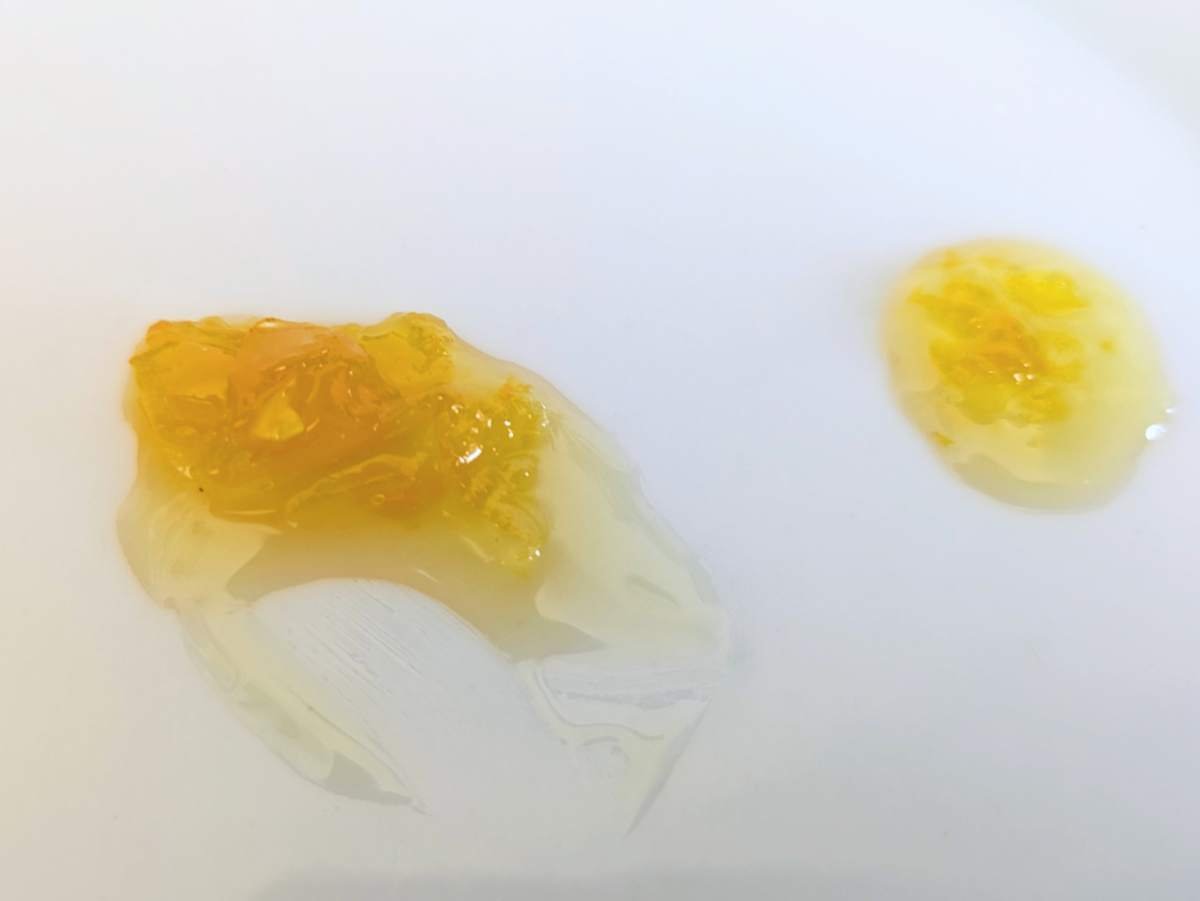
Fill the jars and cool
Skim off any surface foam, then ladle the jelly into clean, warm, heat-safe jars. This batch makes approximately 500 ml, enough for three 150 ml jars with a little extra.
Allow to cool, then refrigerate. Leave for 24 hours before assessing the final set.

How to Store Pineapple Pepper Jelly
Store this pineapple pepper jelly in the refrigerator if you plan to enjoy it right away.
For long-term shelf storage, use this standard water-bath canning method:
Process in a water bath: Place the jars in a large saucepan or canner, ensuring they are fully submerged under at least 2.5 cm (1 inch) of water. Bring the water to a gentle boil and process the jars for 10 minutes.
Fill the jars: Pour the hot jelly into hot, clean jars, leaving a 0.5 cm (¼-inch) headspace at the top.
Seal the lids: Wipe the jar rims completely clean with a damp cloth, place the lids on top, and screw the bands on until they are fingertip-tight.
I have always processed my jams and jellies using this exact method, and they easily last for over a year on the pantry shelf without ever going bad. That being said, always use common sense when eating home-canned food. While this method works perfectly for me, I cannot personally guarantee long-term shelf life, so if a jar ever looks, smells, or tastes off when you open it, trust your gut and throw it out!
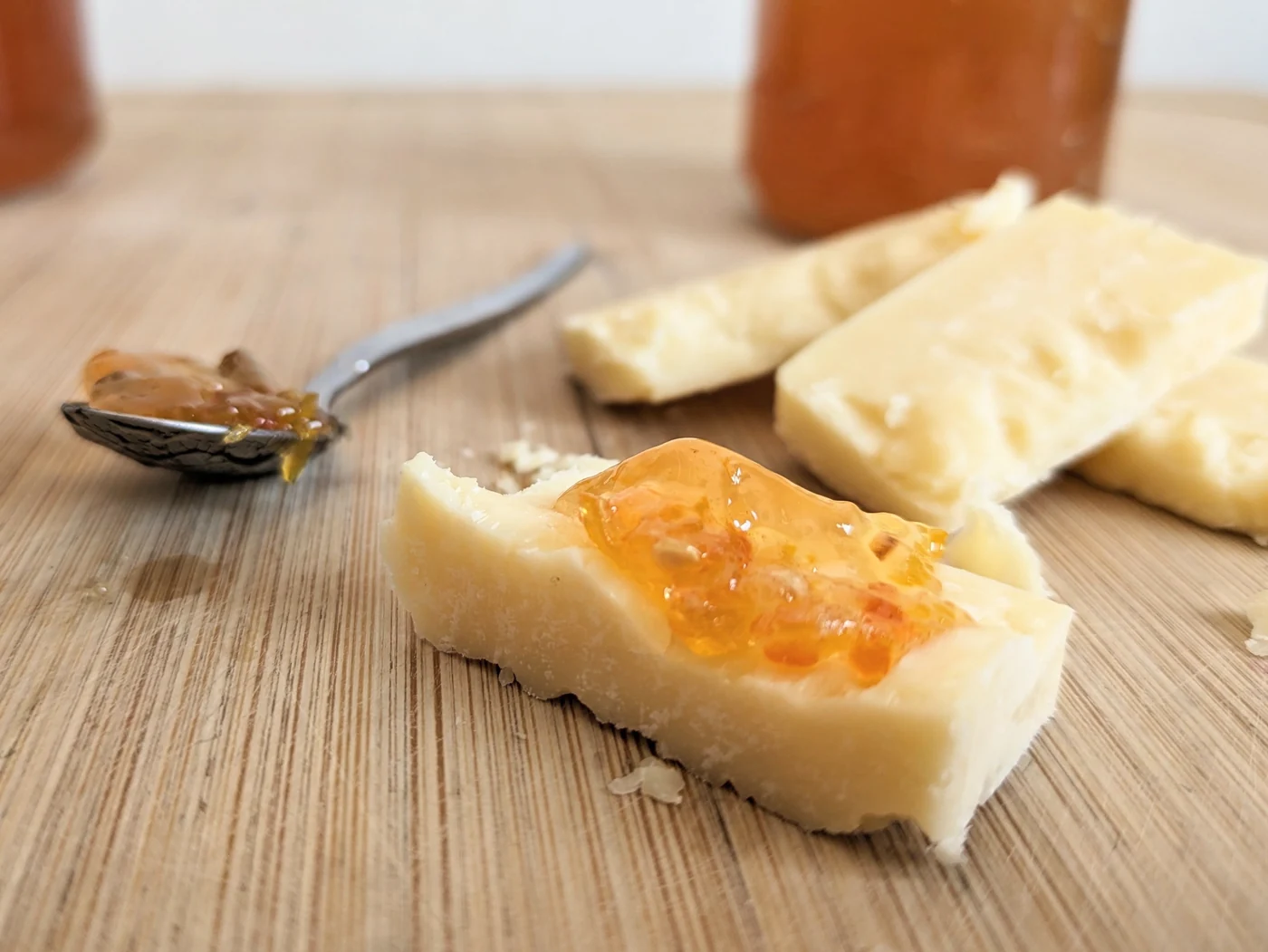
Hot Pineapple Pepper Jelly Frequently Asked Questions
Fresh pineapple is what I used, but bottled 100% pineapple juice or tinned pineapple in juice could save preparation time. Choose products without added sugar. Strain out any pulp and measure 400 ml juice before using
Yes, jalapeños are an alternative to test if you prefer their flavour. They are generally milder than habaneros, so a direct substitution will change the heat considerably. Finely chop them before adding, and expect green flecks rather than yellow and orange.
My batch packs a serious punch. Both habanero and Lemon Drop chillies are hot, and individual peppers vary. For a gentler version, reduce the chilli quantities and remove some of the pale inner membrane. Removing seeds alone won’t remove most of the heat.
Not as a direct substitution. The 1:1 jam sugar contains added pectin and acid to help the pineapple pepper jelly set. Using ordinary sugar would require a separate pectin formulation and its corresponding instructions.
I made a second batch using half the sugar and adding 100 ml of homemade quince pectin stock. However, homemade stock varies in strength, so that quantity isn’t a dependable substitution for every batch. For more predictable results, use a pectin product designed for reduced-sugar jelly.
You could, theoretically, use a 2:1 gelling sugar instead of 1:1, and cut the sugar by half. I say theoretically, because I haven’t tried it, but according to the logic of gelling sugar it should work.
Check the juice-to-sugar ratio, the type of jam sugar and its cooking instructions. Too much liquid, reducing the jam sugar or substituting a different pectin product can affect the set. Allow 24 hours for the jelly to finish setting before deciding whether it needs adjusting.
Fine pineapple fibres can pass through a kitchen sieve, particularly when the pulp is pressed firmly. Straining again through clean, damp muslin can improve clarity. Foam can also affect its appearance, so skim the surface before filling the jars.
More Lemon Drop Pepper Recipes
- Lemon Drop Chilli Jam
- Lemon Drop Hot Sauce Recipe (No Fermentation)
- Lemon Pepper Chilli Glaze Recipe
Pineapple Pepper Jelly with Habanero and Lemon Drop
Ingredients
Pineapple juice
- – 900 g prepared fresh pineapple skin and eyes removed, core included
- – 200 ml water
Jelly
- 400 ml ml extracted pineapple juice from above
- 400 g 1:1 jam sugar
- 10 g Lemon Drop chillies stalks removed and finely minced
- ½ orange habanero fresh or frozen, stalk removed and finely minced
- 15 ml lemon juice
Instructions
- Chop the pineapple flesh and core into small pieces. Place in a saucepan with 200 ml water. Cover and simmer gently for approximately 20 minutes, stirring occasionally, until softened.
- Allow to cool enough to handle safely. Blend, then squeeze through a nut-milk bag or muslin-lined sieve over a bowl. For clearer juice, strain again through clean, damp muslin. Measure 400 ml for the jelly.
- Wearing gloves, finely mince the Lemon Drop chillies and habanero. Remove the seeds if preferred. Place two small plates in the freezer for testing the set.
- Pour the cooled pineapple juice into a large saucepan. Add the jam sugar, minced chillies and lemon juice. Heat gently, stirring until the sugar dissolves.
- Bring to a full rolling boil that continues bubbling while stirred. Follow the jam sugar packet’s cooking time, starting the timer when the mixture reaches a rolling boil. Stir throughout.
- Remove the pan from the heat. Spoon a little jelly onto a chilled plate and leave for approximately 1 minute. Push gently with your finger; it should thicken and wrinkle slightly. Avoid exceeding the product’s recommended cooking time to force a set.
- Skim off foam and ladle into clean, warm, heat-safe jars. Cool and refrigerate. Allow 24 hours before assessing the final set.
Notes
- Jam sugar: Use the specified 1:1 product, which contains pectin and acid. Plain sugar and other pectin formulations are not direct substitutes.
- Juice yield: If you extract less than 400 ml, scale the jelly ingredients to the measured juice rather than adding water.
- Heat: This batch is hot. Reduce the chillies for a gentler version. Avoid touching your face when handling them.