Homemade Plum Cordial Recipe
Turn a seasonal plum harvest into a refreshing homemade cordial with this easy recipe. Delicious diluted with still or sparkling water.
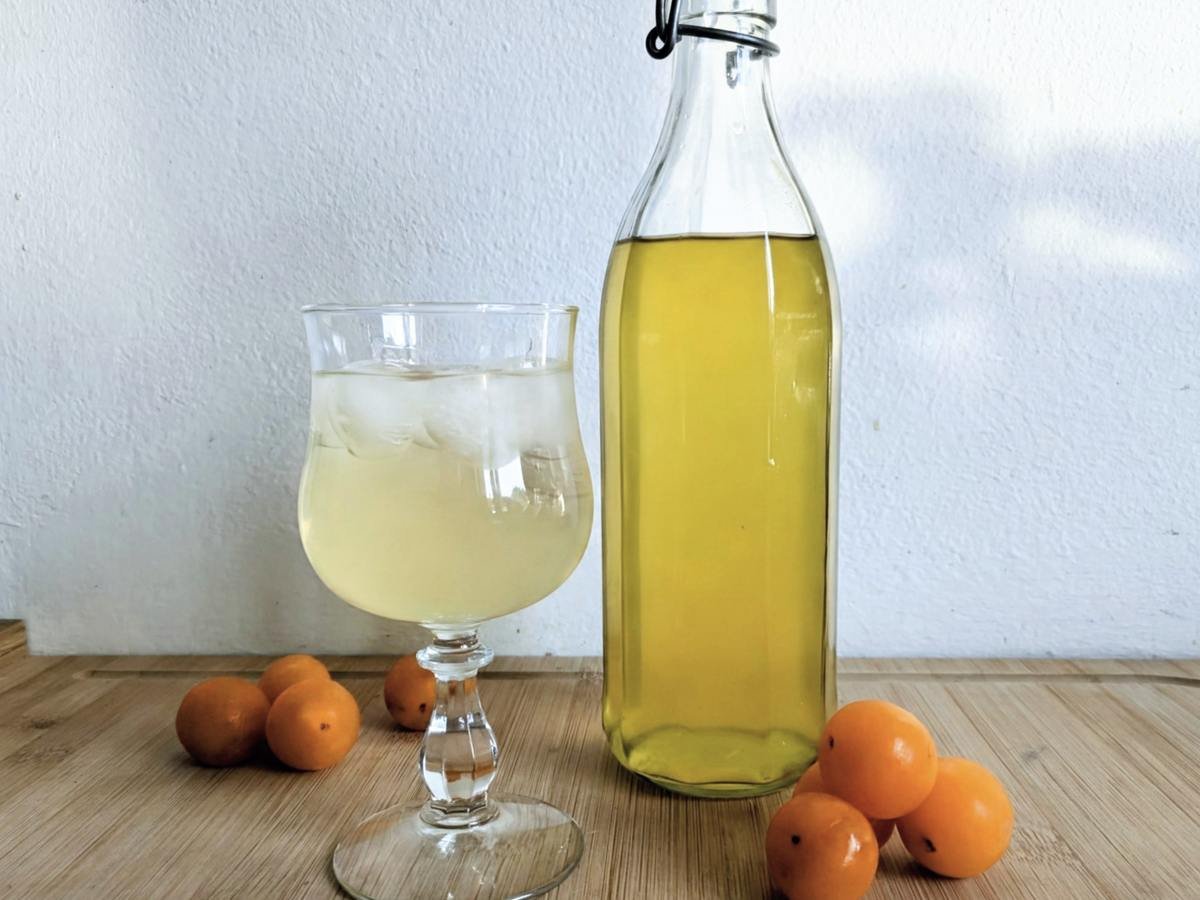
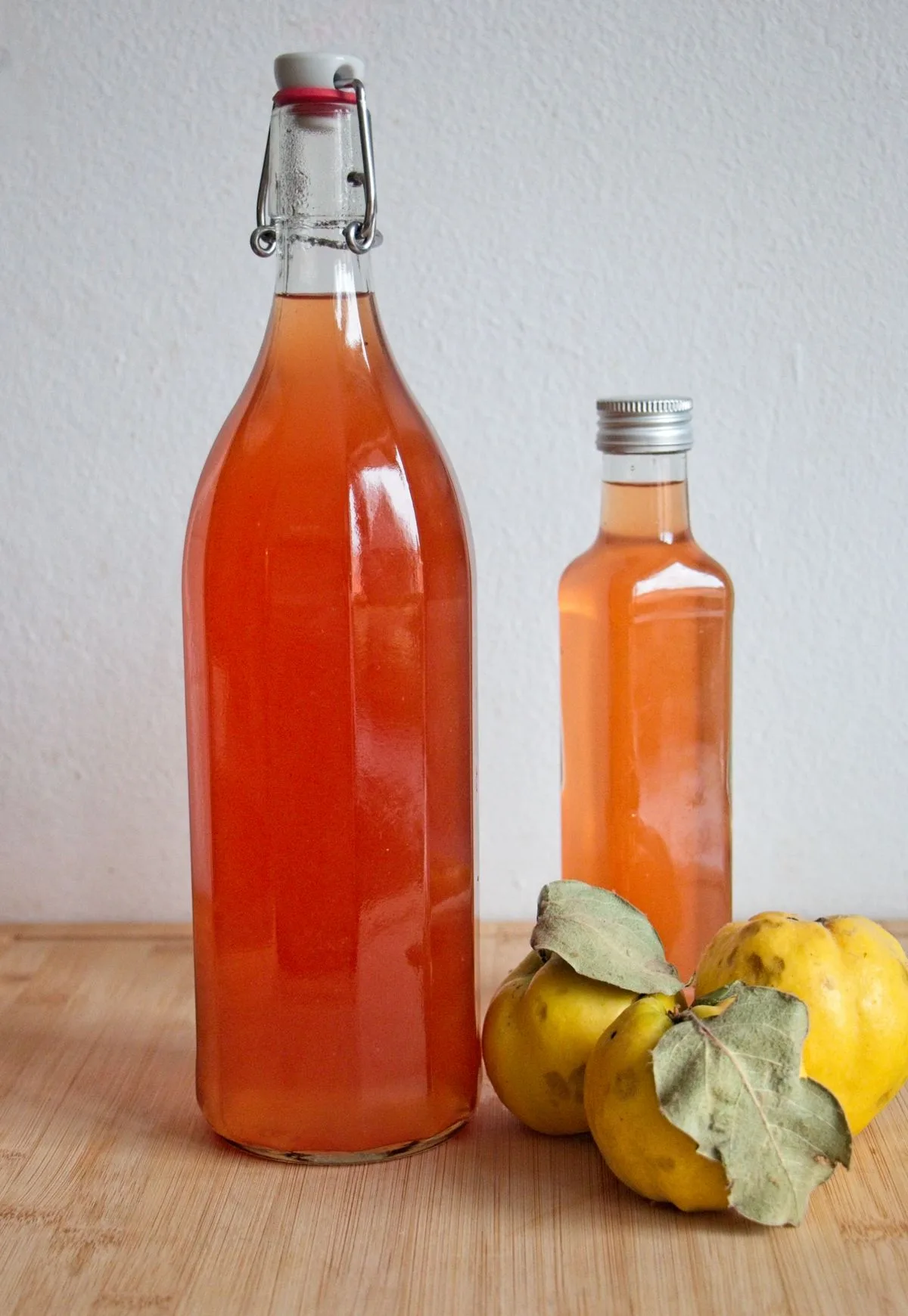
This Plum Cordial Recipe is a simple way to capture the fresh, fruity flavour of seasonal plums in a concentrated homemade drink. Made with just plums, water and sugar, it has a naturally sweet, vibrant taste that’s delicious diluted with still or sparkling water, or used in cocktails and desserts.
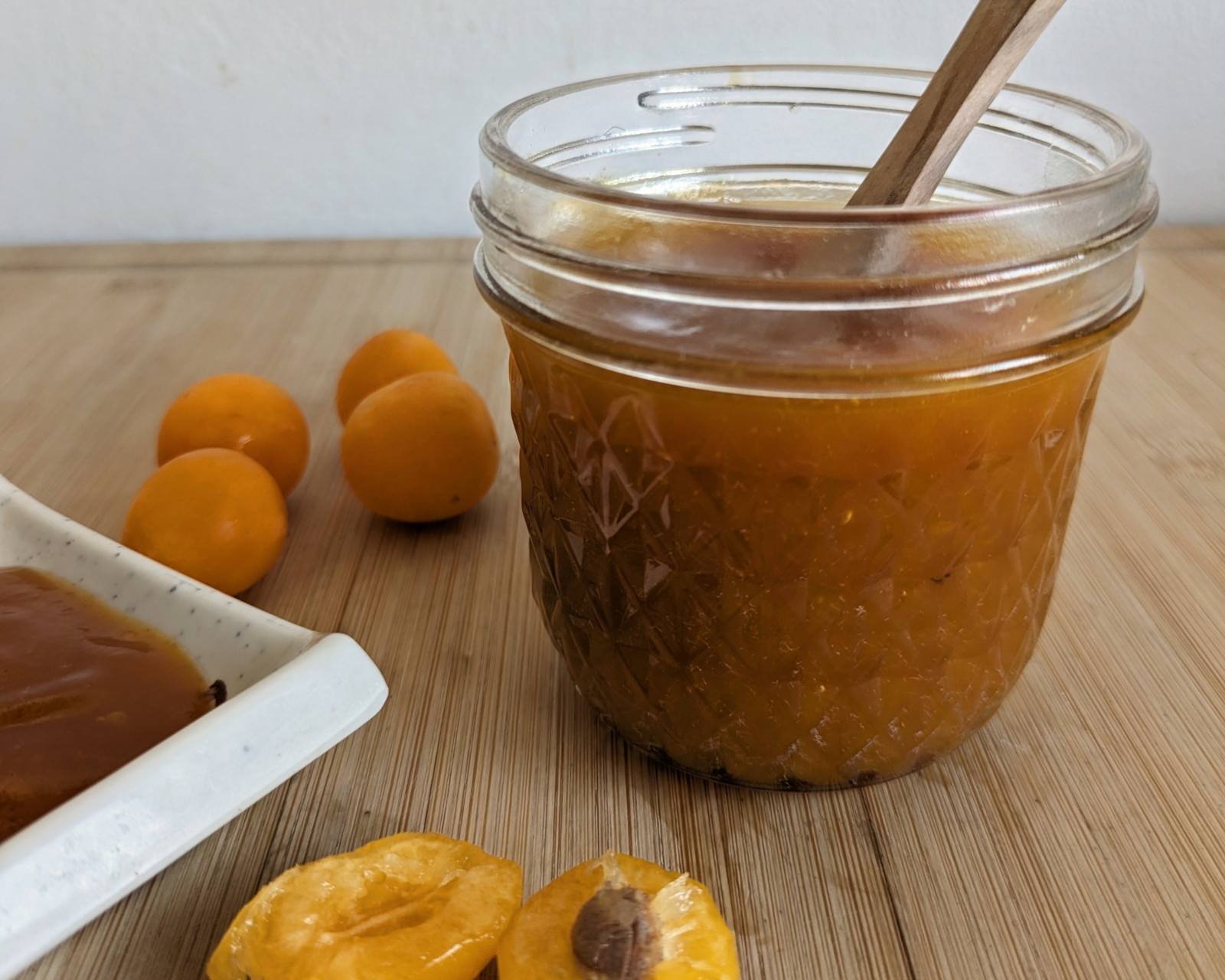
I love making cordials from tree fruits because they’re one of the easiest ways to preserve a large harvest in a single afternoon. When bottled and stored properly, they’re a great way to enjoy the fruit long after the season has ended. We’re lucky enough to have access to a plum tree that, this year, produced an incredible crop of Mirabelle plums—far more than we could ever eat fresh.
While I used Mirabelle for this plum cordial recipe, it works just as well with bullaces, damsons or other seasonal plums—simply adjust the sugar to suit the sweetness of the fruit.
Ingredients for Plum Cordial
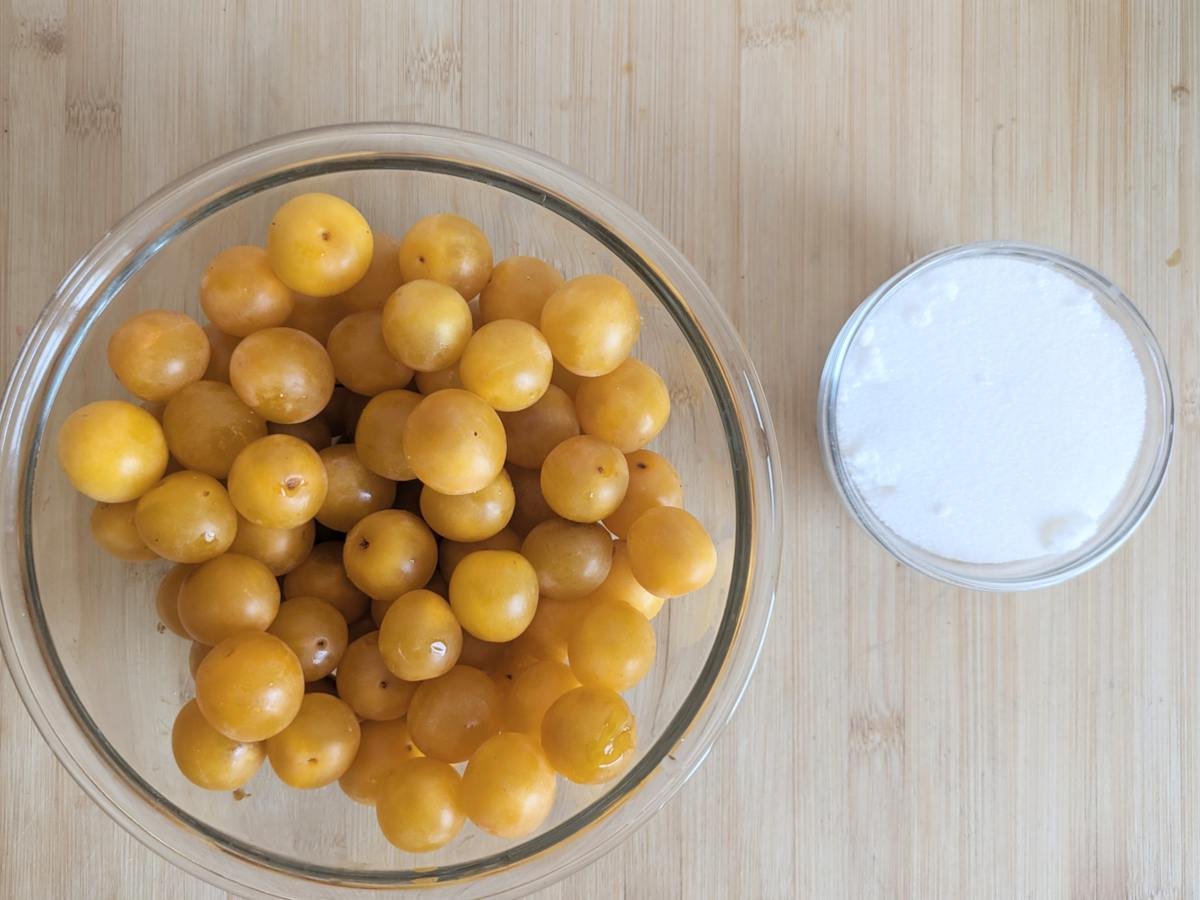
Plums – Fresh plums provide the flavour, colour and natural acidity of the cordial. Mirabelle plums, bullaces, damsons and most dessert plums all work well, although sweeter varieties may need a little less sugar.
White Caster Sugar – Sweetens the cordial while helping preserve it for longer. White sugar keeps the finished cordial bright and lets the natural flavour of the plums stand out.
Citric Acid (optional) – Adds extra acidity for a sharper, more balanced cordial and can help extend its refrigerated shelf life. It’s especially useful when working with sweeter, lower-acid plums.
How to Make Plum Cordial
Prepare the plums
Wash 1 kg of plums, remove any stems and discard damaged fruit. There is no need to pit them for this plum cordial, as they will be removed during straining.
Cook the fruit
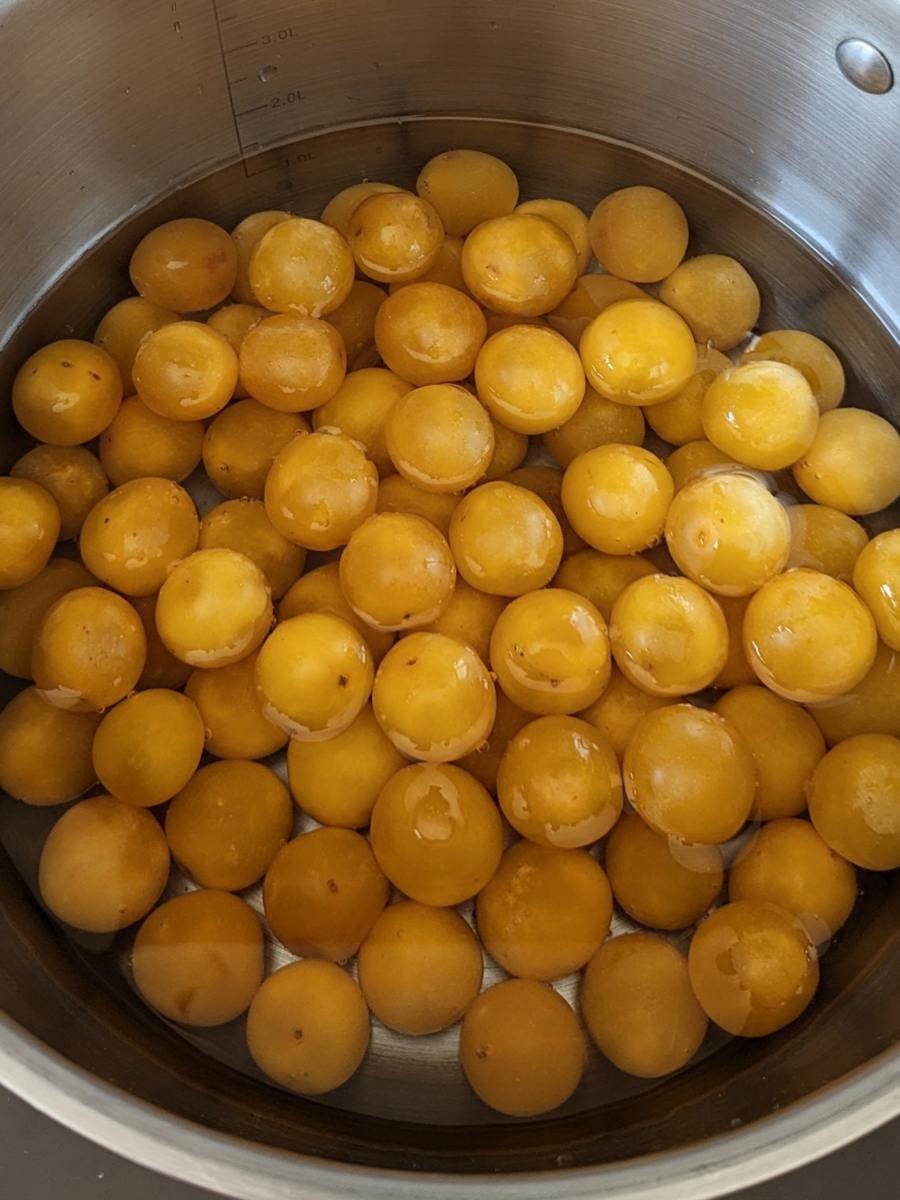
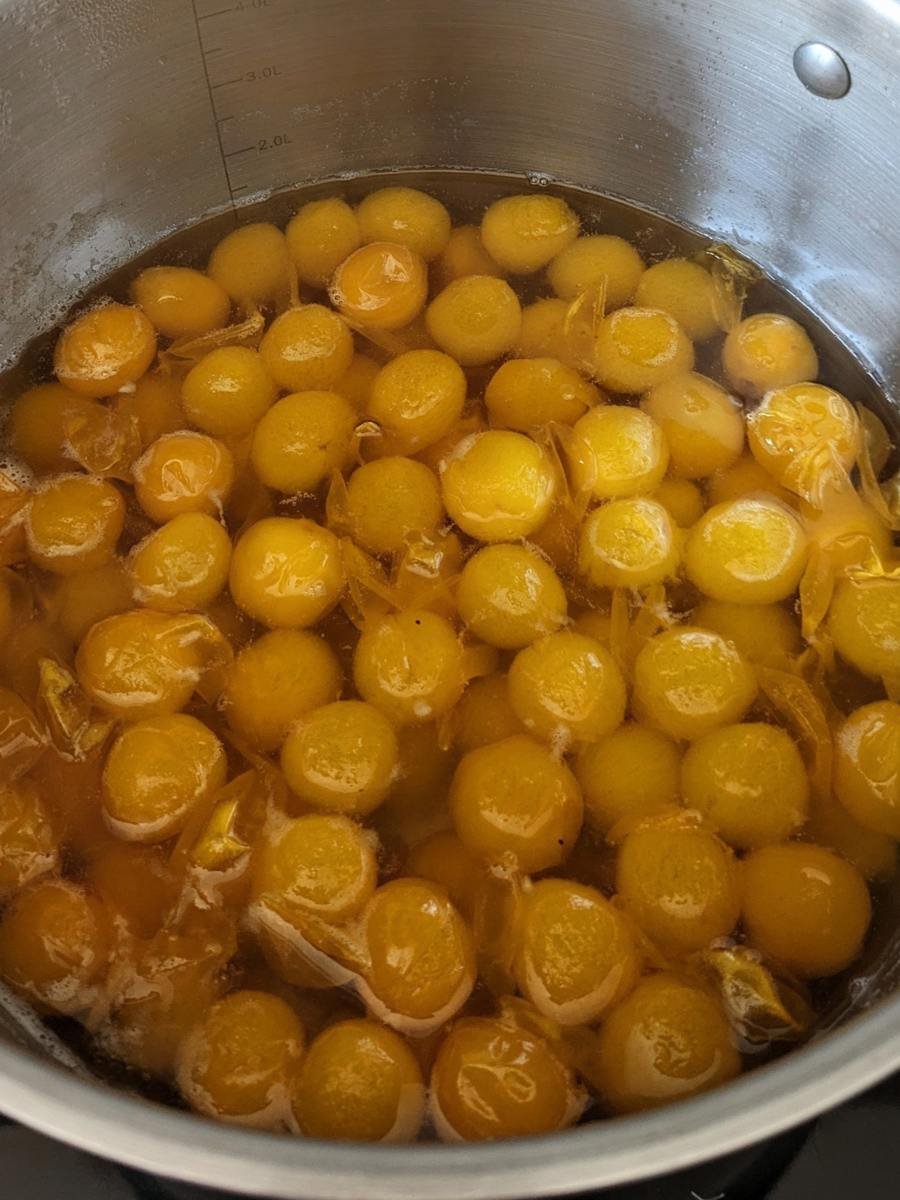
Place the plums in a large saucepan with 750 ml water and bring to a gentle simmer over medium heat. Reduce the heat and cook uncovered for 20–30 minutes, stirring occasionally, until the skins have split and the fruit is completely soft.
Gently crush the plums
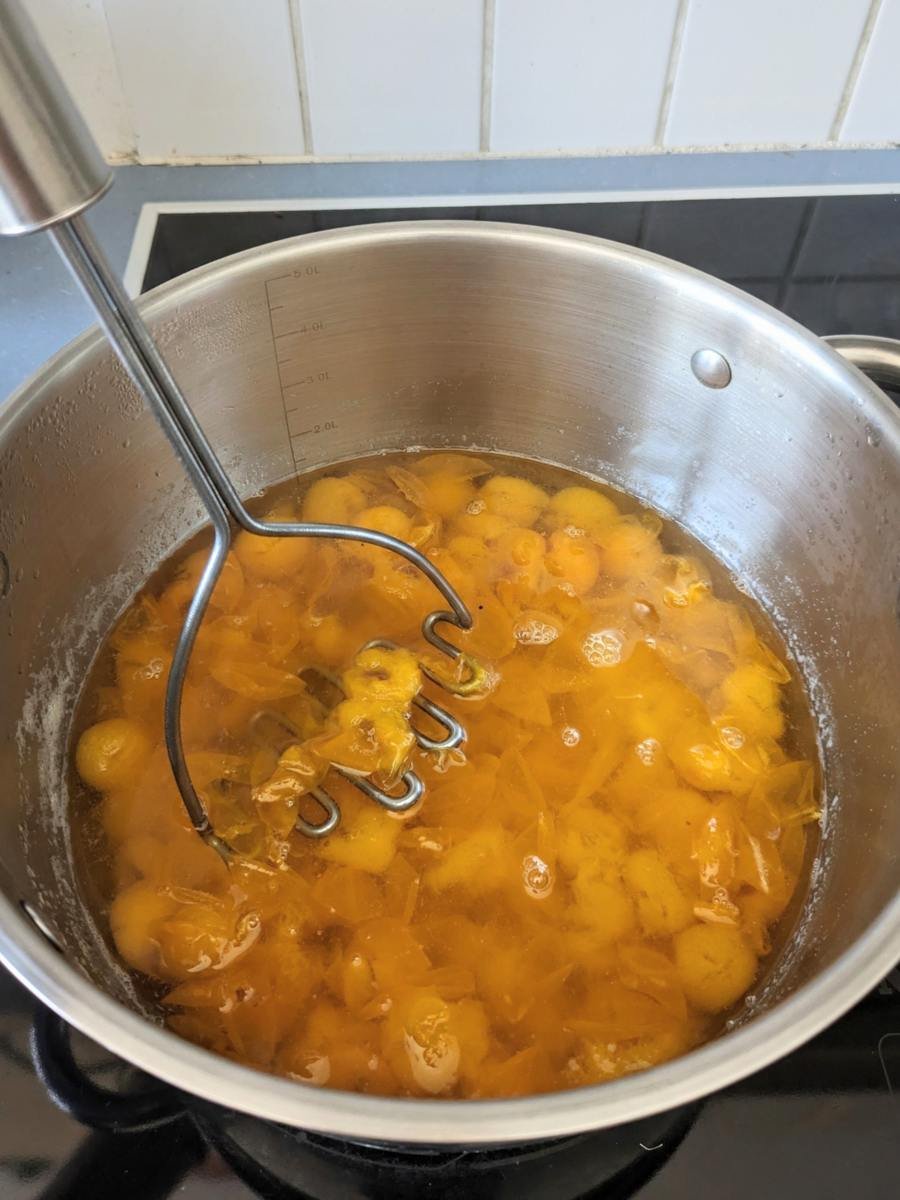
Use a potato masher or wooden spoon to gently break up the softened fruit and release more juice. Avoid pressing hard enough to crack or crush the stones.
Strain the cordial
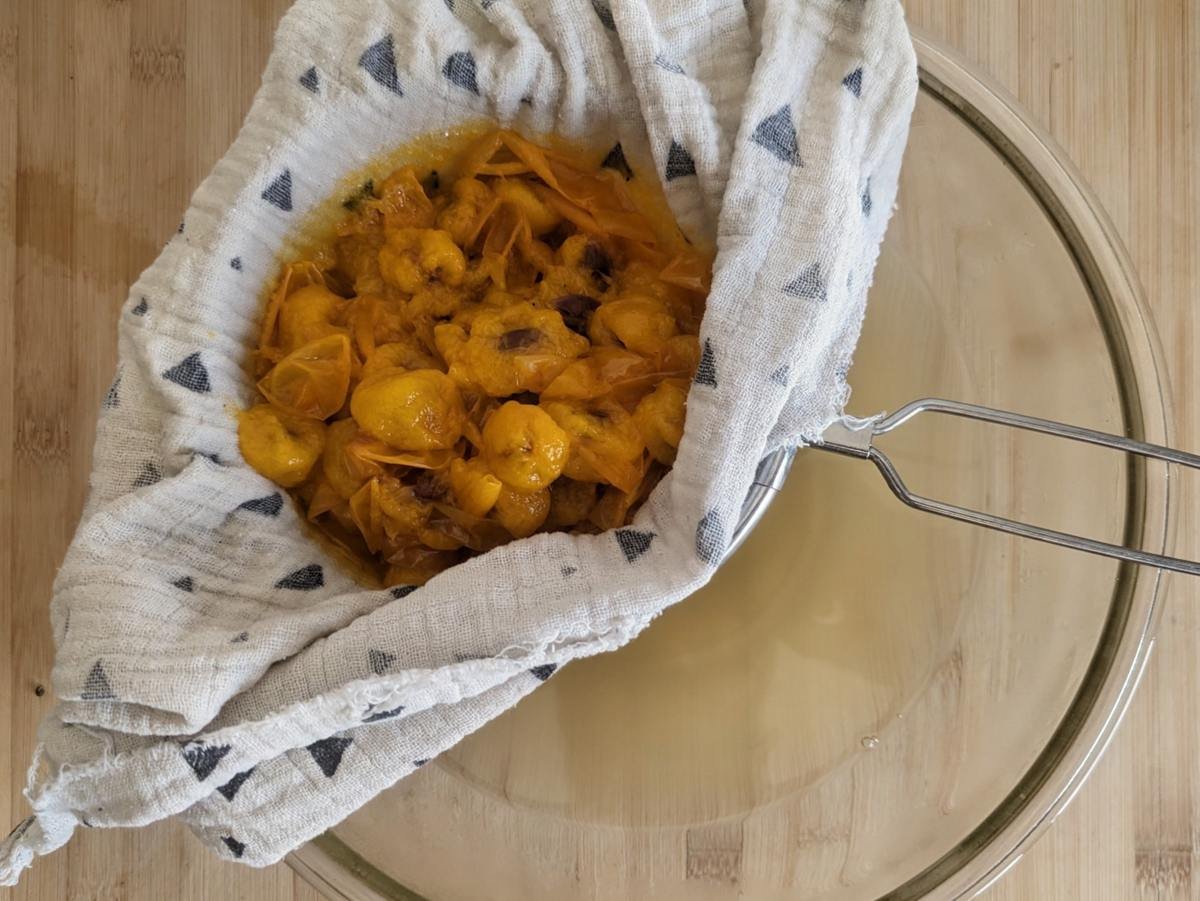
Set a jelly bag or muslin-lined sieve over a large bowl and carefully pour in the cooked fruit and liquid. Leave it to drain for 8–12 hours or overnight; for a clearer end product, allow it to drip naturally without squeezing the cloth.
If you don’t care about having a crystal clear cordial, you can squeeze the remaining water out of the plums. You will gain a bit more liquid, but it will be cloudy.
Add the sugar
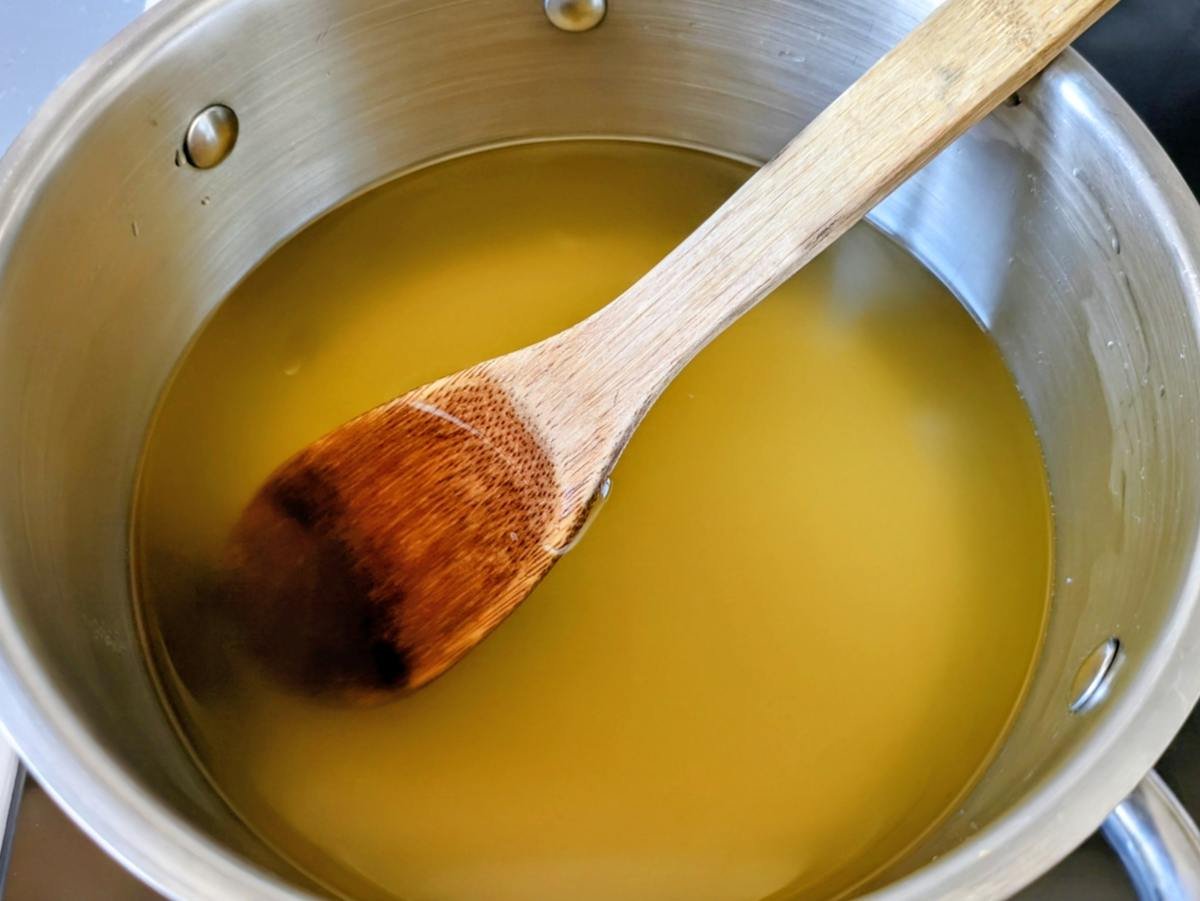
Pour the strained plum juice into a clean saucepan and add 500 g white caster sugar. Heat gently over low to medium heat, stirring until the sugar has completely dissolved and the liquid looks clear rather than grainy.
Taste and adjust
Taste a cooled spoonful before bottling. If you’re using particularly tart damsons or bullaces, add a little more sugar; if the cordial tastes too sweet, a small amount of lemon juice or citric acid can sharpen it without changing the basic recipe.
Bottle the cordial
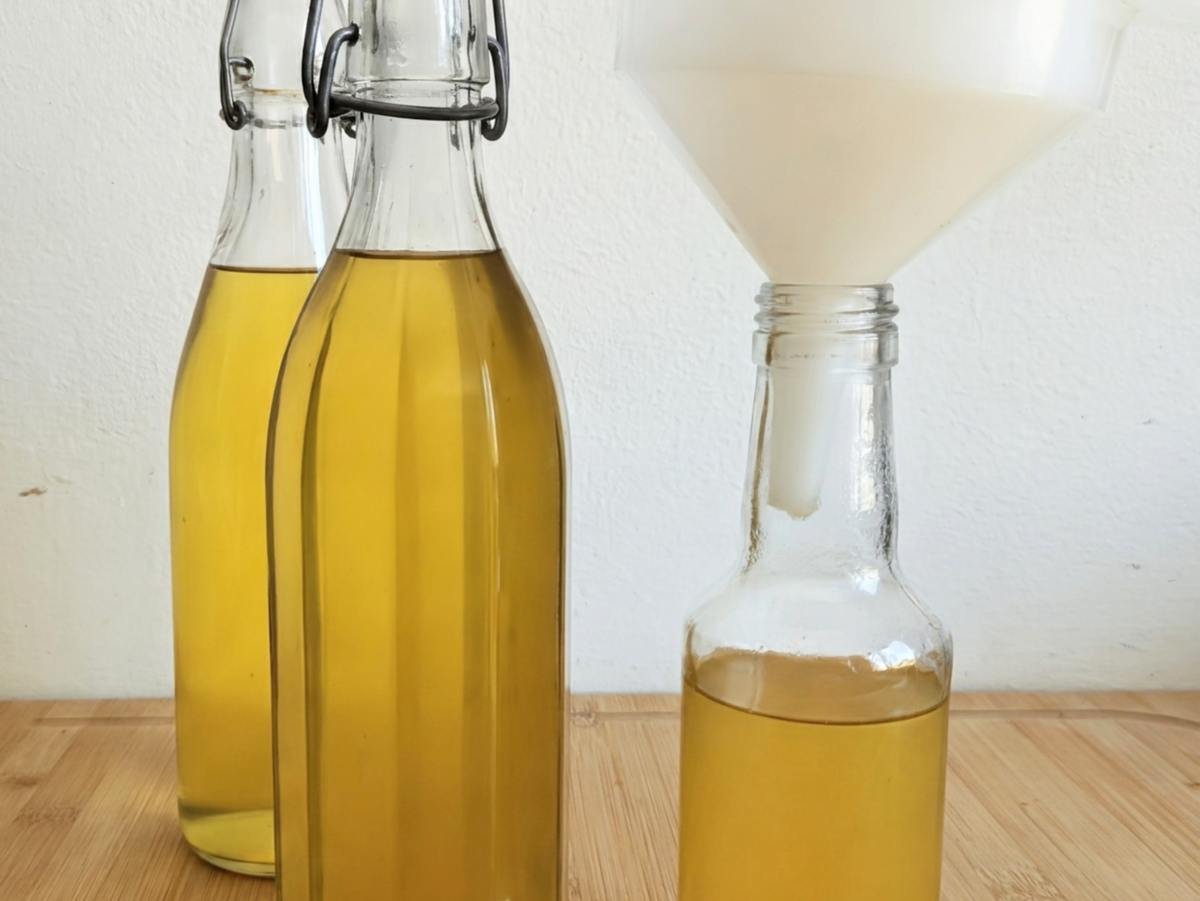
Pour the hot cordial through a funnel into clean, sterilised bottles and seal. Allow it to cool completely before transferring it to the refrigerator.
Store and serve
As this is not a tested shelf-stable canning recipe, keep the cordial refrigerated and use it within 2–3 weeks, or freeze it in suitable containers for longer storage. Dilute to taste with still or sparkling water; around 1 part cordial to 5 parts water is a useful starting point.
Long term storage
When I made this recipe, I intentionally kept it as a small batch that would be enjoyed within the following month, so I didn’t add extra acid or process it for shelf storage.
If you’d like to keep your plum cordial for longer, I recommend following guidance from a trusted source rather than guessing the process. Safe home canning depends on the recipe’s acidity, bottle size and processing time.
The National Center for Home Food Preservation is an excellent place to learn more about safely preserving fruit cordials.
Other Seasonal Cordials You’ll Love
Homemade Plum Cordial Recipe
Ingredients
- 1 kg fresh plums Mirabelles, bullaces, damsons or dessert plums
- 750 ml water
- 500 g white caster sugar
- 1 tsp citric acid optional, for extra acidity and longer keeping
Instructions
- Wash the plums, remove any stems and discard damaged fruit. Leave the stones in.
- Place the plums and water in a large saucepan. Bring to a gentle simmer, then cook uncovered for 20–30 minutes until the fruit has softened and the skins have burst.
- Lightly crush the softened plums with a potato masher or wooden spoon to release more juice, taking care not to crush the stones.
- Pour the mixture into a jelly bag or muslin-lined sieve set over a large bowl. Leave to drain naturally for 8–12 hours or overnight without squeezing.
- Pour the strained juice into a clean saucepan. Add the sugar (and citric acid if using) and heat gently, stirring until the sugar has dissolved completely. Do not boil unnecessarily.
- Pour the hot cordial into sterilised bottles and seal immediately. Leave to cool before refrigerating.
- Dilute with still or sparkling water to taste (around 1 part cordial to 5 parts water).
Notes
- Try different plums: Mirabelles produce a light golden cordial, while damsons and bullaces create a deeper colour and a sharper flavour. Adjust the sugar slightly to suit the sweetness of the fruit.
- Add subtle spices: Simmer the plums with a cinnamon stick, a few slices of fresh ginger or a strip of lemon peel, then remove before straining for a gentle twist on the classic flavour.
- Add citrus: A teaspoon of citric acid or the juice of one lemon gives the cordial a brighter, slightly tarter finish and helps balance very sweet plums.
Yes. This plum cordial recipe works with Mirabelle plums, bullaces, damsons and most dessert plums. Sweeter varieties may need slightly less sugar, while tart plums may benefit from a little extra.
No. Leaving the stones in while the plums simmer helps keep preparation quick and doesn’t affect the finished cordial, as the fruit is strained before bottling. Just avoid crushing the stones when mashing the fruit.
Cloudiness usually comes from squeezing the fruit while straining. For a clearer homemade plum cordial, let the juice drip naturally through a jelly bag or muslin overnight without pressing it.
Dilute the cordial with still or sparkling water to taste, starting with about 1 part cordial to 5 parts water. It also works well in cocktails, drizzled over fruit salads or mixed into desserts.
Store the bottled cordial in the refrigerator and use it within 2–3 weeks. For longer storage, freeze it in freezer-safe bottles or containers, leaving a little space for expansion.
If you add citric acid to the cordial, it will last significantly longer. When I add it to mine, I find it is still fine for months after making, even when not kept in the refrigerator.
Yes. In fact, it’s an ideal make-ahead preserve because the flavour settles and mellows after a day or two in the refrigerator. It’s a useful way to preserve a seasonal glut of plums and enjoy them over the following weeks.