
Homemade Quince Cordial
Capture autumn in a bottle with homemade quince cordial, gently infused with lemon and star anise for a fragrant, golden drink.
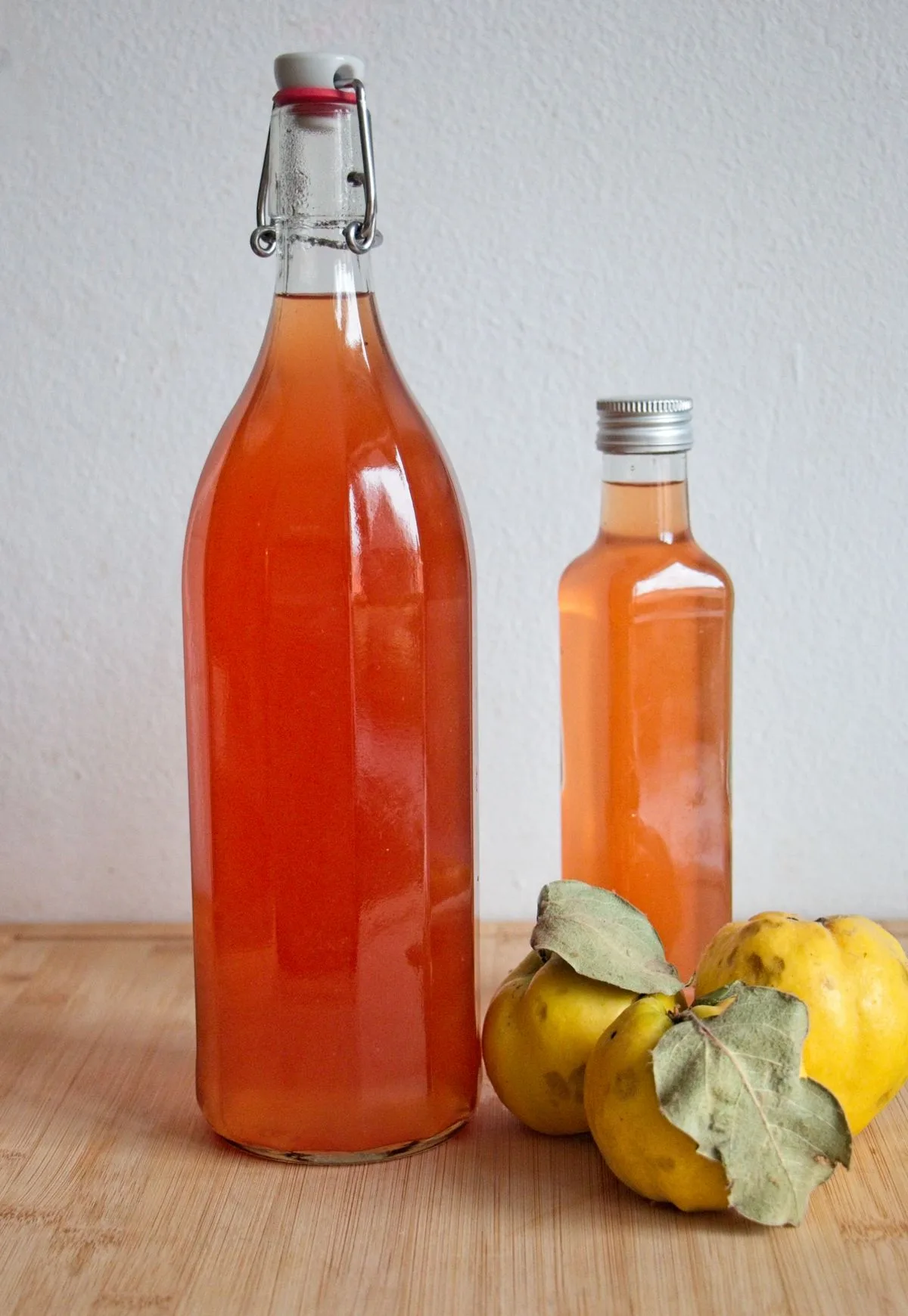
Golden pink, aromatic, and just the right balance of tart and sweet — homemade quince cordial captures the essence of autumn in a bottle. Made with just fresh quinces, lemon, sugar, and a touch of star anise, this cordial recipe is a simple way to preserve this delicately flavoured fruit so you can enjoy it all year round.
The Secret to a Good Quince Cordial
I have always loved the smell of quince. Freshly harvested from the tree, there’s no other fruit that smells as bright and perfumed. However, capturing that scent and flavour is quite difficult, and most quince cordials I’ve tried never do the fruit justice.
After several experiments, I finally found that the secret lies in slow cooking — giving the fruit time to release its honeyed depth and floral notes. The quinces may soften after just a few minutes of simmering, but to truly unlock their flavour potential, they need to be cooked gently for around an hour.
Another thing I learned is that quince pairs exceptionally well with a hint of star anise — not enough to overpower it, but just a touch to complement and enhance the fruit’s natural fragrance.
Ingredients Breakdown
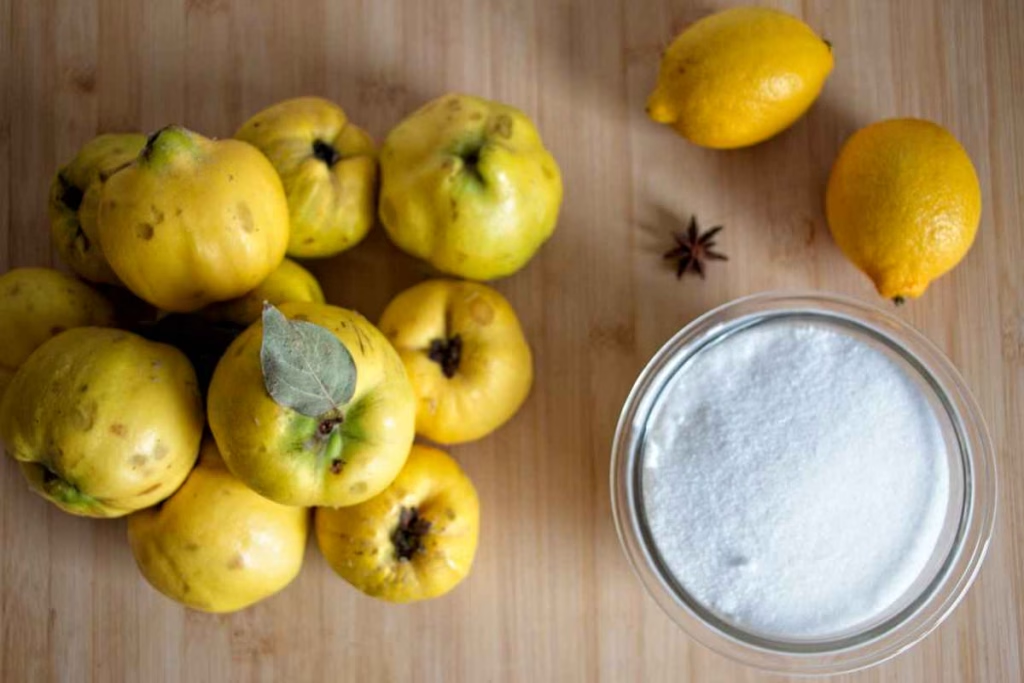
Quinces
Quinces bring a fragrant, floral sweetness unlike any other fruit — a mix of pear, apple, and rose. Choose firm, golden-yellow quinces with a strong perfume. Don’t worry about peeling or coring them; the skins and seeds are full of natural pectin, which adds body to the cordial.
Lemon (juice and zest)
Lemon balances the sweetness and enhances the quince’s perfume. The acidity also helps the fruit transform from pale yellow to that rich pink-gold hue quinces are known for.
Sugar
Acts as both a sweetener and a natural preservative. The right ratio keeps the cordial shelf-stable while giving it a smooth, syrupy texture.
Star Anise
A secret weapon for unlocking the quince’s true flavour. Just one star adds a gentle, almost floral spice that enhances rather than masks the fruit. You could make the cordial without it, but I highly recommend adding it — you won’t taste a strong anise note, yet the quince flavour becomes noticeably deeper and more aromatic.
Step-by-Step Instructions for Quince Cordial
Prepare the quinces
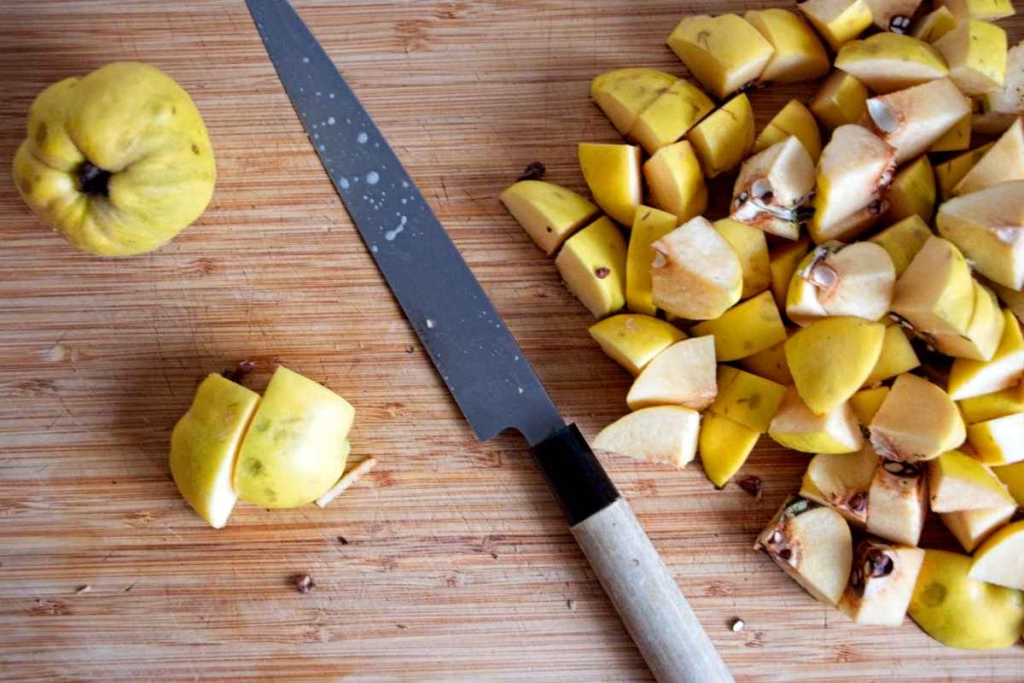
Rinse the quinces to remove any fuzz, then chop them into chunks — no need to peel or core. The skins and seeds contain pectin, which helps thicken the cordial and adds flavour.
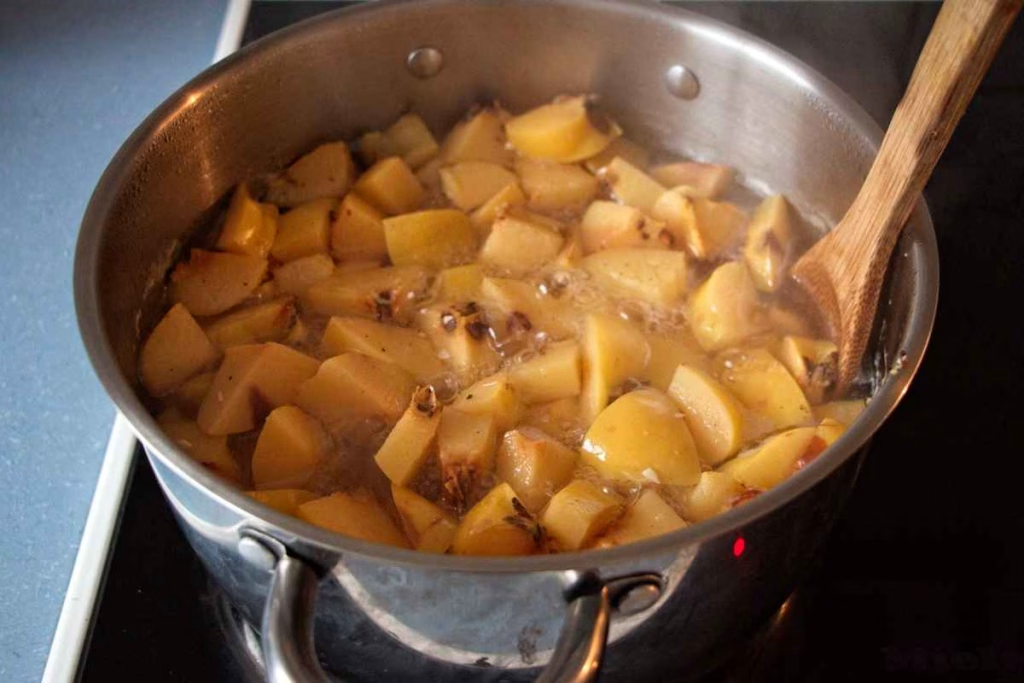
Combine and simmer
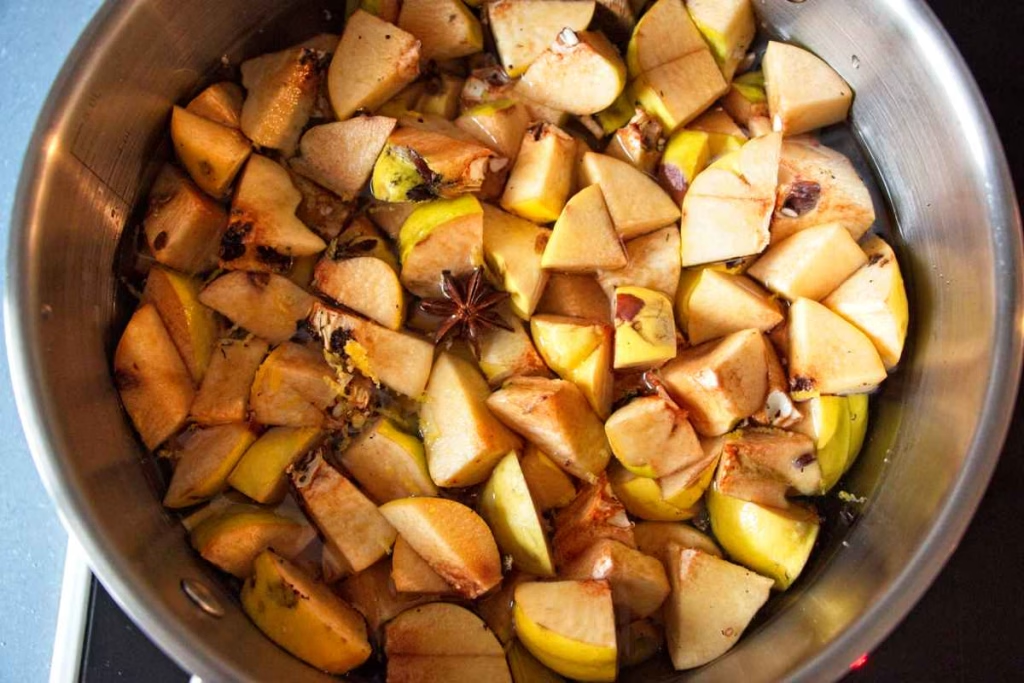
Add the chopped quinces, water, lemon zest and juice, and star anise to a large pot. Bring to a boil, cover with a lid, then reduce to a gentle simmer for about 1 hour.
Don’t rush this step — slow cooking is key to unlocking the quince’s honeyed depth and transforming the liquid into that beautiful pink-gold colour. If it hasn’t changed much after an hour, keep it simmering; some batches simply take longer. You can’t really overcook it, and if too much water evaporates, just top it up with a little more.
Strain the liquid
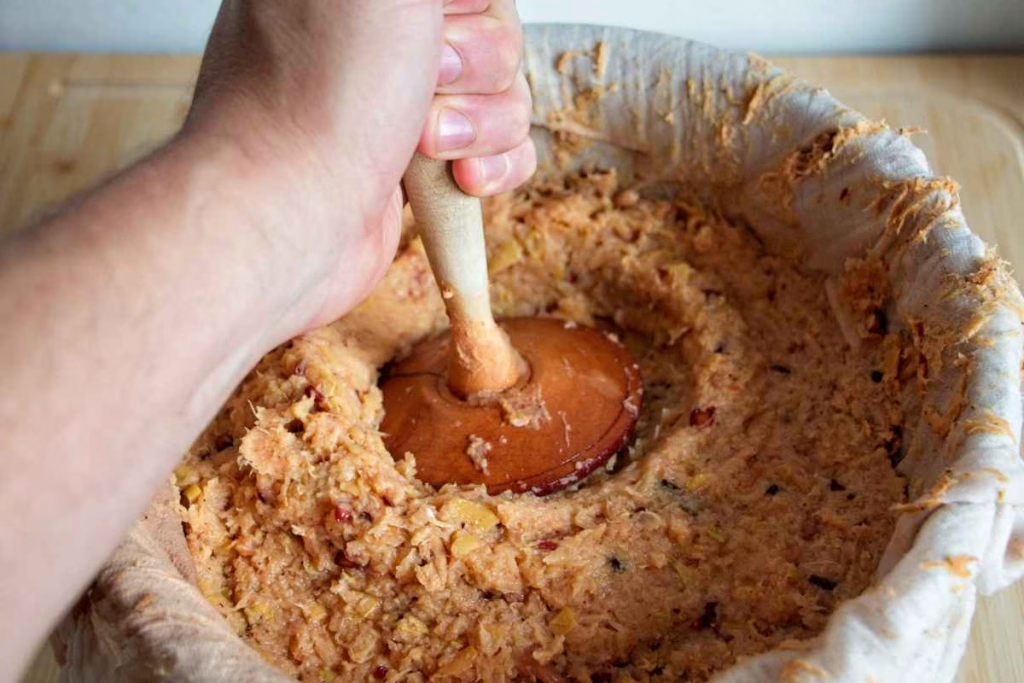
Pour the mixture through a muslin-lined sieve or a clean tea towel into a large bowl or jug. Gently press the liquid through the muslin using a ladle or wooden spoon to extract as much juice as possible.
Keep pressing until nothing else comes out — it takes a bit of time, but quinces absorb a lot of water as they cook, locking the juice inside. That’s the flavour you want to capture, so it’s worth the effort.
Sweeten and finish
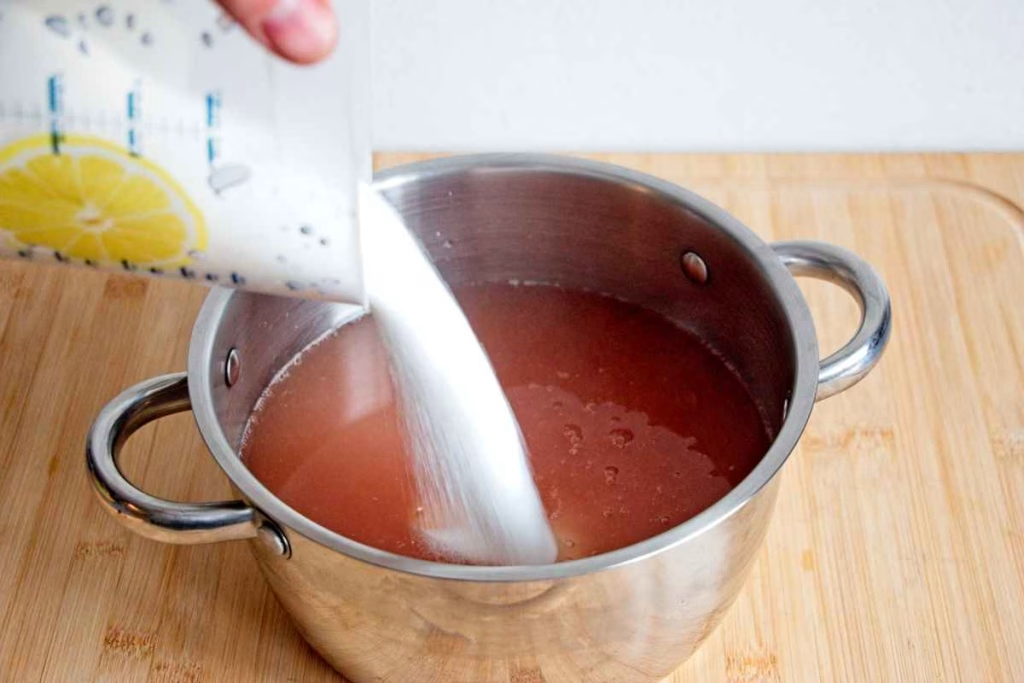
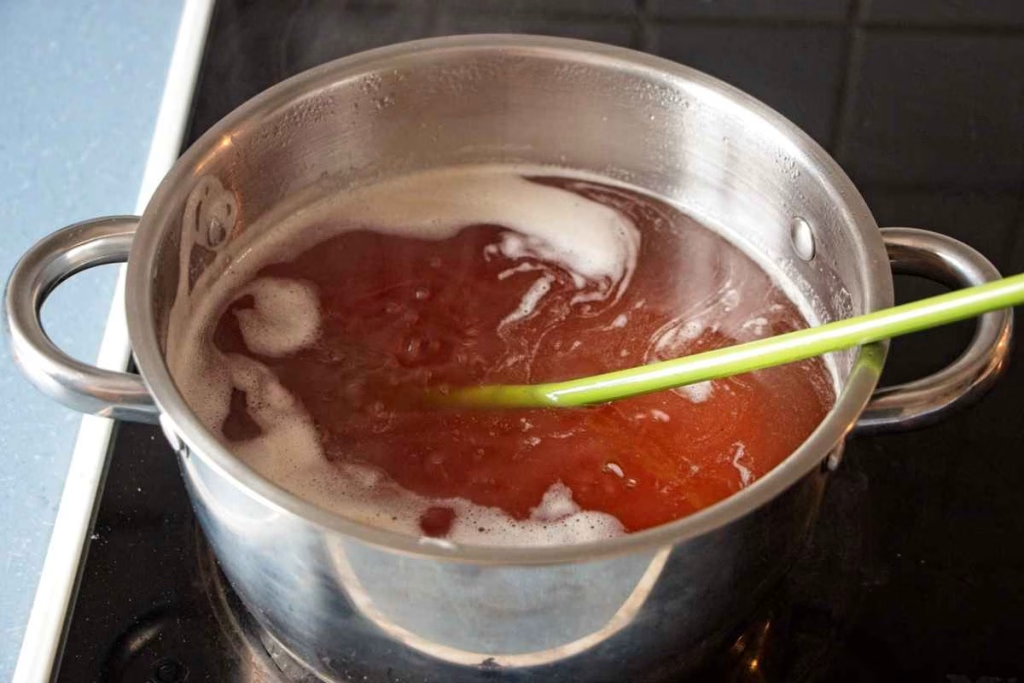
Measure your strained liquid, then add half that amount in water back, plus about 450 g sugar per litre of total liquid. Warm gently, stirring until the sugar fully dissolves, then bring to a short boil for 5–10 minutes to slightly thicken.
Example: If you strained 1 litre of liquid, add 500 ml of water and 450 g of sugar per litre of the total mixture. Quinces are very high in pectin, so without this extra water the cordial can become too thick and even start to set. Don’t worry about it over-diluting — the flavour will still be rich and fragrant from being pressed out of the cooked fruit.
Bottle the cordial
Pour the hot cordial into sterilised bottles using a funnel and seal tightly. Let cool completely before storing. Here is an easy guide on sterilising glass bottles.
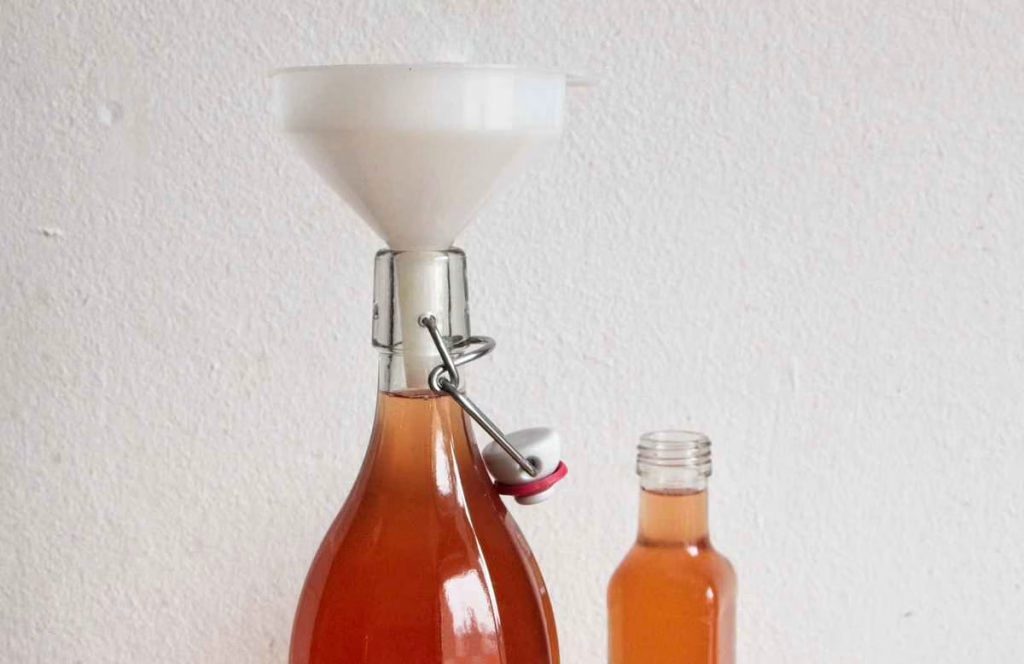
Homemade Quince Cordial
Ingredients
- 2 kg quinces about 10 medium
- 1.7 litres 1.7 water plus extra if topping up
- 2 lemons zest and juice
- 1 whole star anise
- caster sugar 450 g per litre of total liquid after straining
Instructions
- Wash to remove fuzz, then chop into chunks — no need to peel or core.
- Add quinces, water, lemon zest and juice, and star anise to a large pot. Bring to a boil, cover, then simmer gently for about 1 hour, until soft and fragrant. Top up with water if needed.
- Pour through a muslin-lined sieve and press firmly with a ladle or spoon to extract all the juice.
- Measure the strained liquid, add half its volume in water, and 450 g sugar per litre of total liquid. Heat gently to dissolve sugar, then boil for 5–10 minutes to slightly thicken.
- Pour hot cordial into sterilised bottles, seal tightly, and cool completely before storing.
Notes
That beautiful pink-gold hue develops only with time and acidity. The quinces start pale, but slow simmering and a squeeze of lemon transform the liquid into a glowing amber. Don’t rush this step — patience brings the colour. Scrubbing the quinces:
Always scrub the fuzz off before chopping. It might look harmless, but it adds bitterness and dulls the flavour if left on. A firm rub under warm water with a cloth is enough. Whole fruit vs. peeled:
There’s no need to peel or core the fruit — the skins and cores are packed with pectin, which gives the cordial its lovely body and helps it keep longer. If you prefer a lighter, cleaner taste, you can core them, but you’ll lose a little richness. Balancing sweetness:
Each batch of quinces is slightly different — some are more tart, some more floral. Taste the cordial after adding the sugar syrup; you can always adjust with a little more lemon juice or water if it’s too sweet.



Excellent! I didn’t realize that I was always boiling my syrup too short. This actually tastes like quince! Thanks!
Hi Tom! Yes it’s crazy the difference time makes when working with quince. I’m glad you enjoyed it
This works wonderfully!
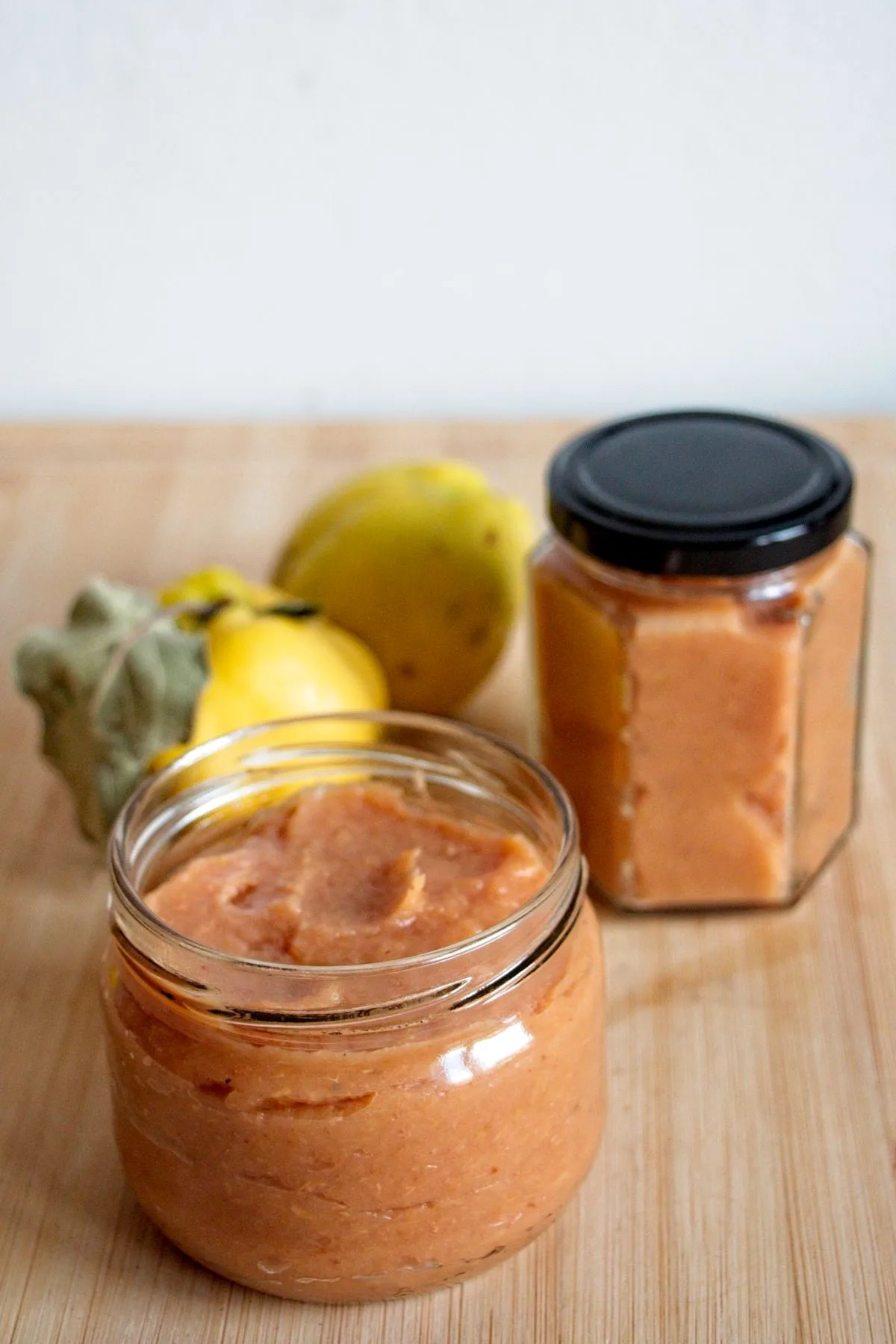
My suggestion. Do peel and core the quince before cooking. This way, after you get all the liquid you can, you are left with just the nice part of the quince fruit. Make the cordial as directed, but then wizz up the leftover cooked fruit with a hand blender and add some of the lovely cordial to it (or just some simple syrup) to sweeten it. It’s like applesauce but quince. Very nice with yogurt or oatmeal. More work, definitely. But less waste and two lovely quince products.
Hi Erica, that’s a great idea, thanks for the suggestion 🙂 I’ll be sure to do this when the season is back.
I made it by accident as the jelly did not set
Hi Monique, I’m sorry I think there was a misunderstanding somewhere. This recipe is not for a jelly and isn’t supposed to set, but for a cordial that you mix with water to drink, like a syrup.