Lingonberry Syrup Recipe (Mountain Cranberry Cordial)
Homemade lingonberry syrup made with fresh mountain cranberries, sugar and lemon. Dilute with still or sparkling water for a tart, refreshing cordial.
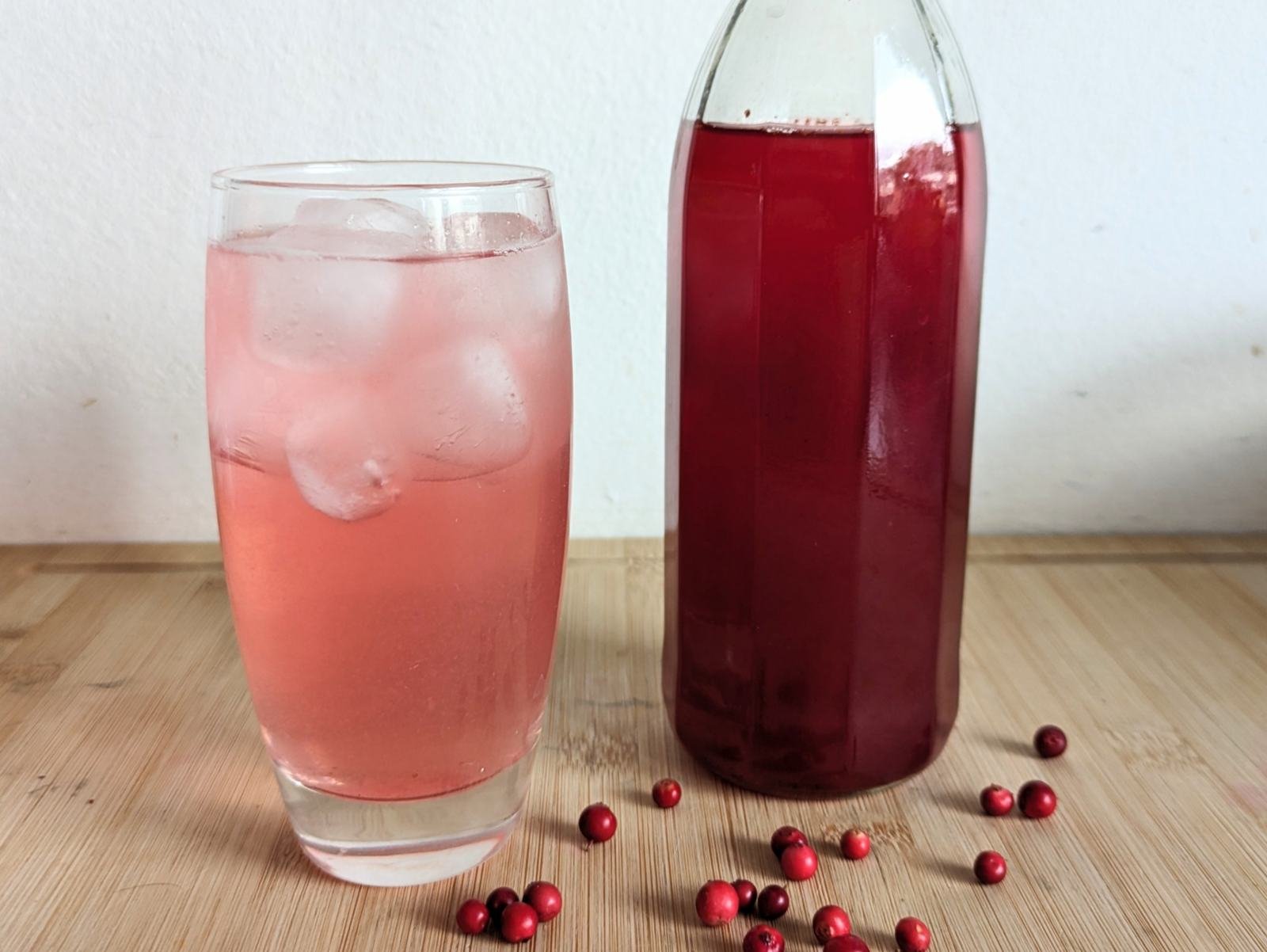
Lingonberry syrup is sweet, tart and full of the flavour of fresh lingonberries. Made with berries, sugar, water and a little lemon juice, it’s an easy way to use a small harvest and makes a refreshing cordial when diluted with still or sparkling water.
There’s a beautiful spot near Austria’s famous Grüner See (Green Lake) where huge patches of lingonberries grow wild. I like to head there towards the end of summer and spend a couple of hours picking them in the fresh mountain air. It’s slow work — two hours of picking barely gave me 250 g this year — but it’s a pretty good way to spend a lazy afternoon in one of the most idyllic mountain spots I can think of.

What Are Lingonberries?
Lingonberries (Vaccinium vitis-idaea) are small, tart red berries that grow wild across northern Europe, Scandinavia and other cool northern regions. They are closely related to cranberries and blueberries and have a sharp, slightly bitter flavour that works particularly well in jams, sauces, syrups and drinks.

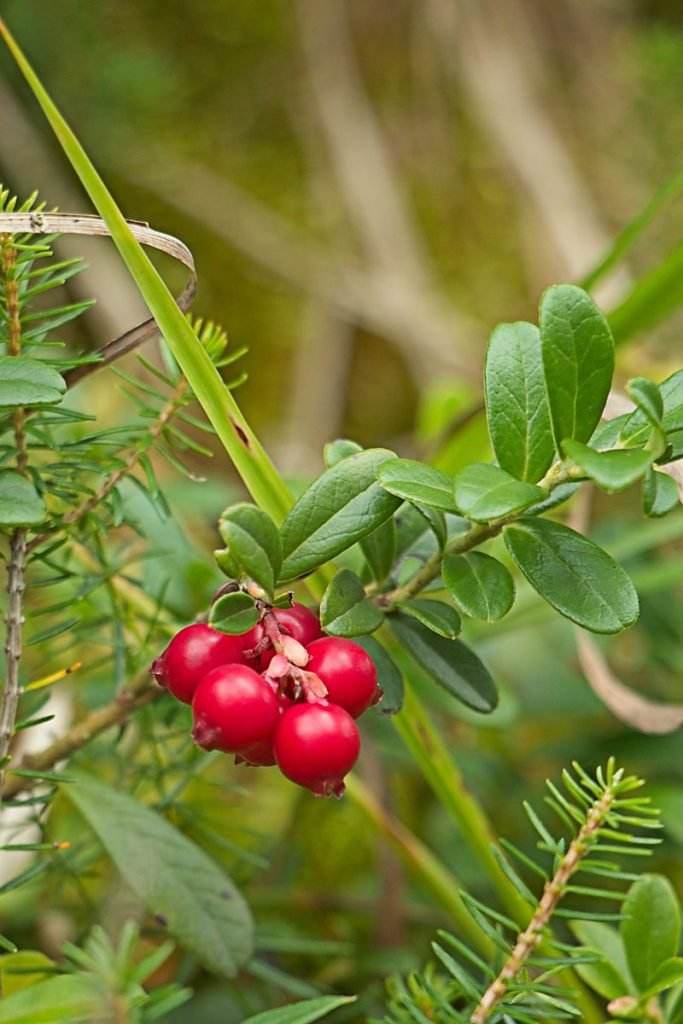
You may also see lingonberries referred to as mountain cranberries, partridgeberry or lowbush cranberries, while cowberry is another common English name for the same fruit. Despite the different names, they all refer to Vaccinium vitis-idaea.
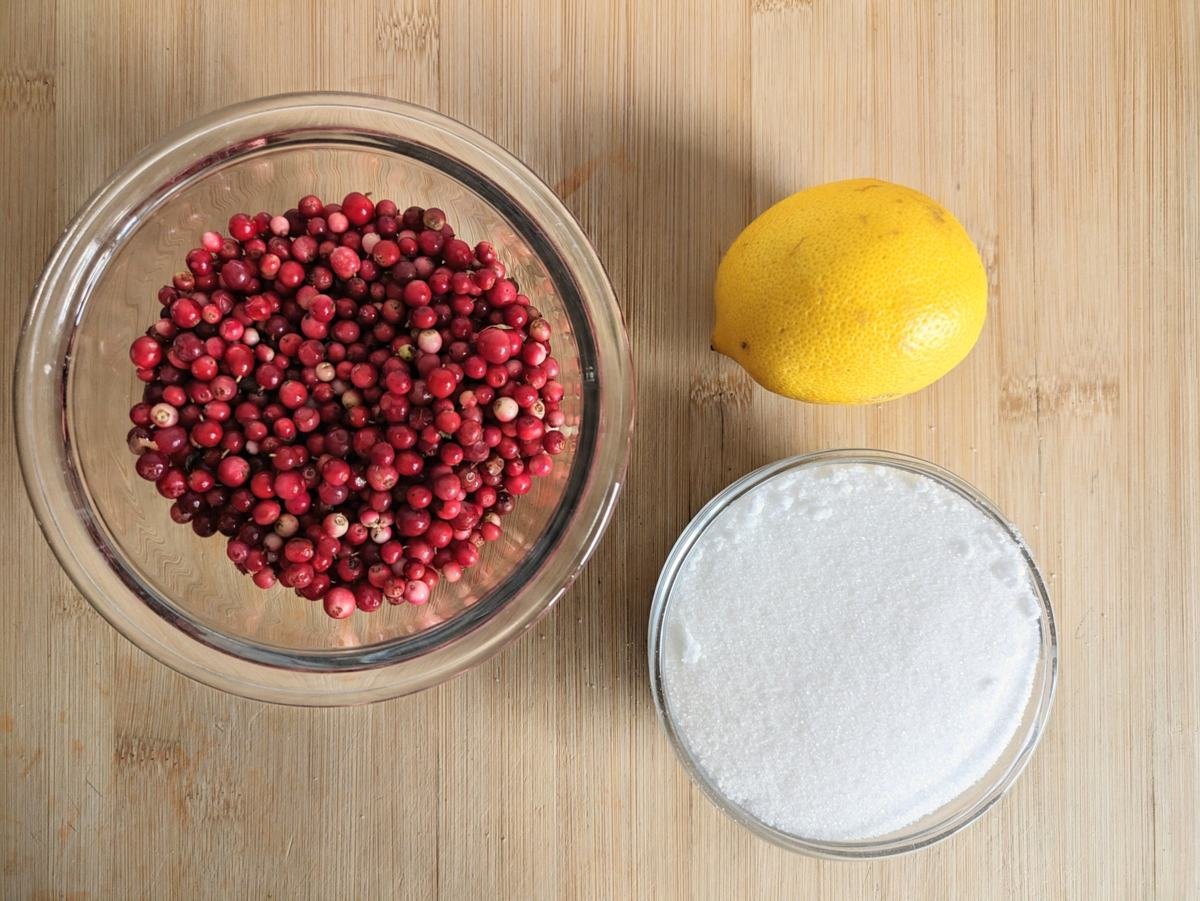
Lingonberry Syrup Ingredients
- Lingonberries – Fresh lingonberries give the syrup its tart, slightly bitter berry flavour; frozen lingonberries can also be used without thawing first.
- White sugar – Sweetens the naturally sharp berries and helps give the finished syrup a slightly thicker consistency.
- Water – Simmering the berries in water extracts their juice and creates a syrup concentrated enough to dilute as a cordial.
- Lemon juice – Adds a little extra acidity and helps balance the sweetness; you can reduce the amount if your lingonberries are particularly tart.
How to Make Lingonberry Syrup
Clean the Lingonberries
Sort through the lingonberries and remove any stems, leaves and damaged berries, then rinse them gently under cold water. Don’t worry about picking out every tiny piece of stem or leaf — a few small bits are fine as the berries will be strained later.
Simmer the Lingonberries
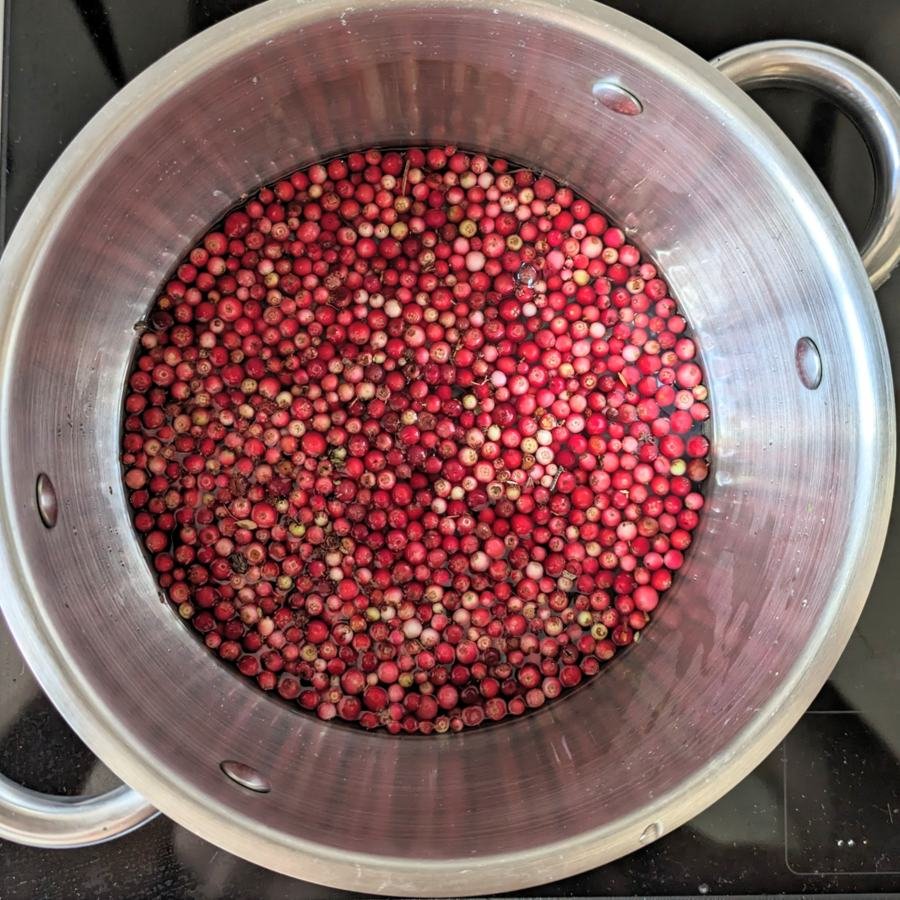
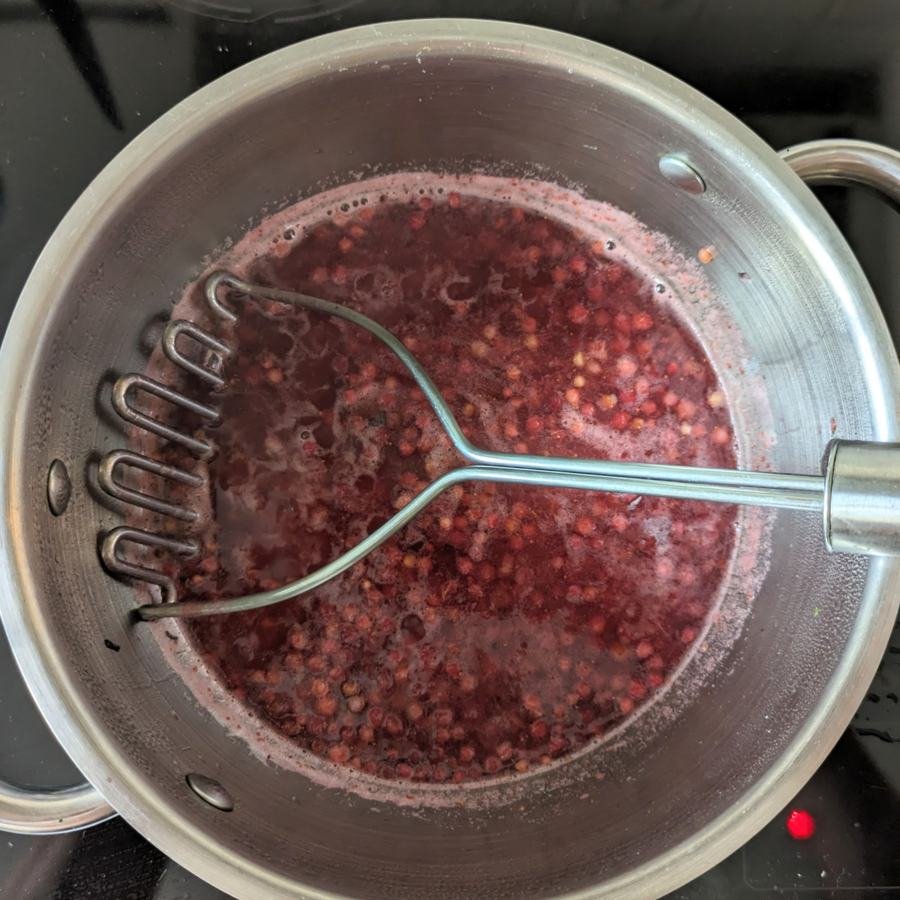
Add the lingonberries and water to a medium saucepan and bring to a gentle simmer over medium heat. Reduce the heat to medium-low and cook uncovered for around 15 minutes, stirring occasionally and gently crushing the berries with the back of a spoon or a masher as they soften. The berries should have broken down and the liquid should be a deep red.
Strain the Berries
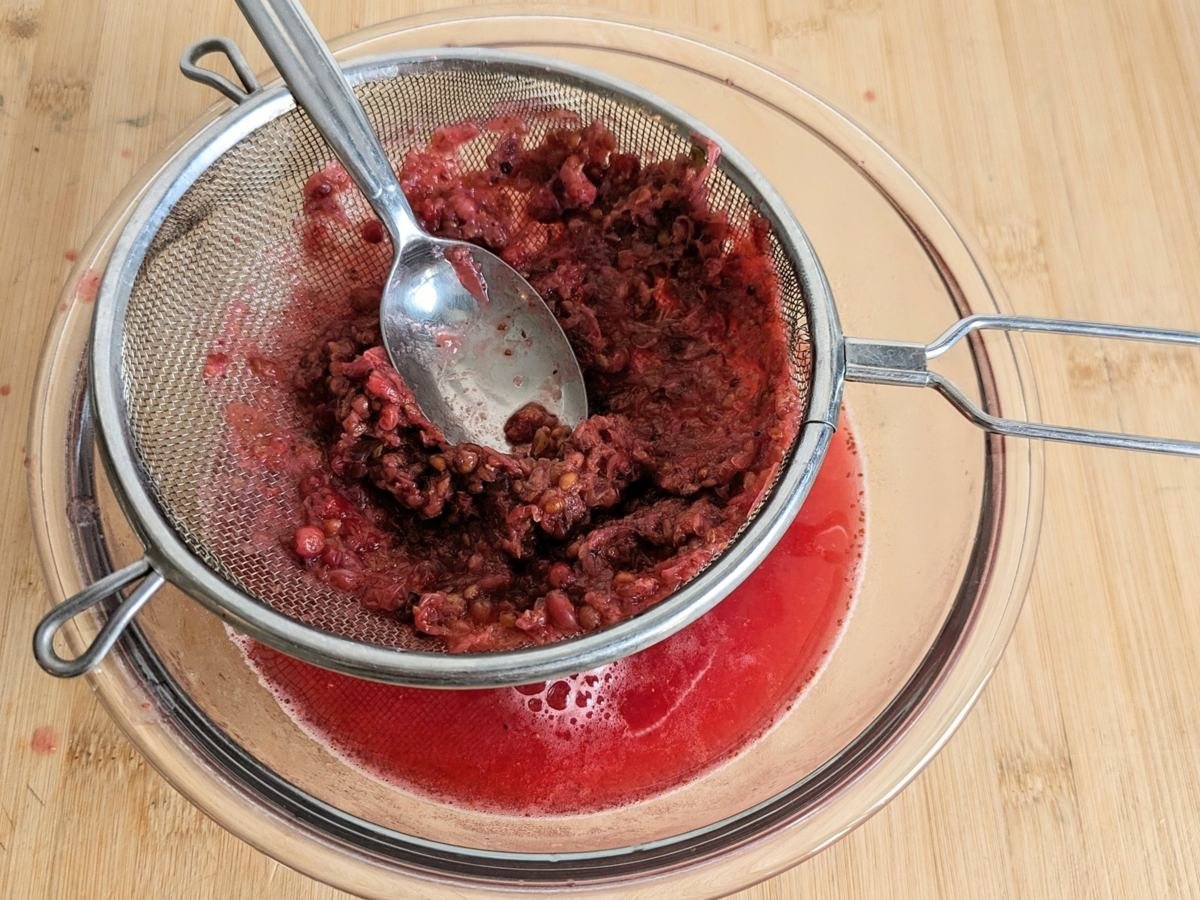
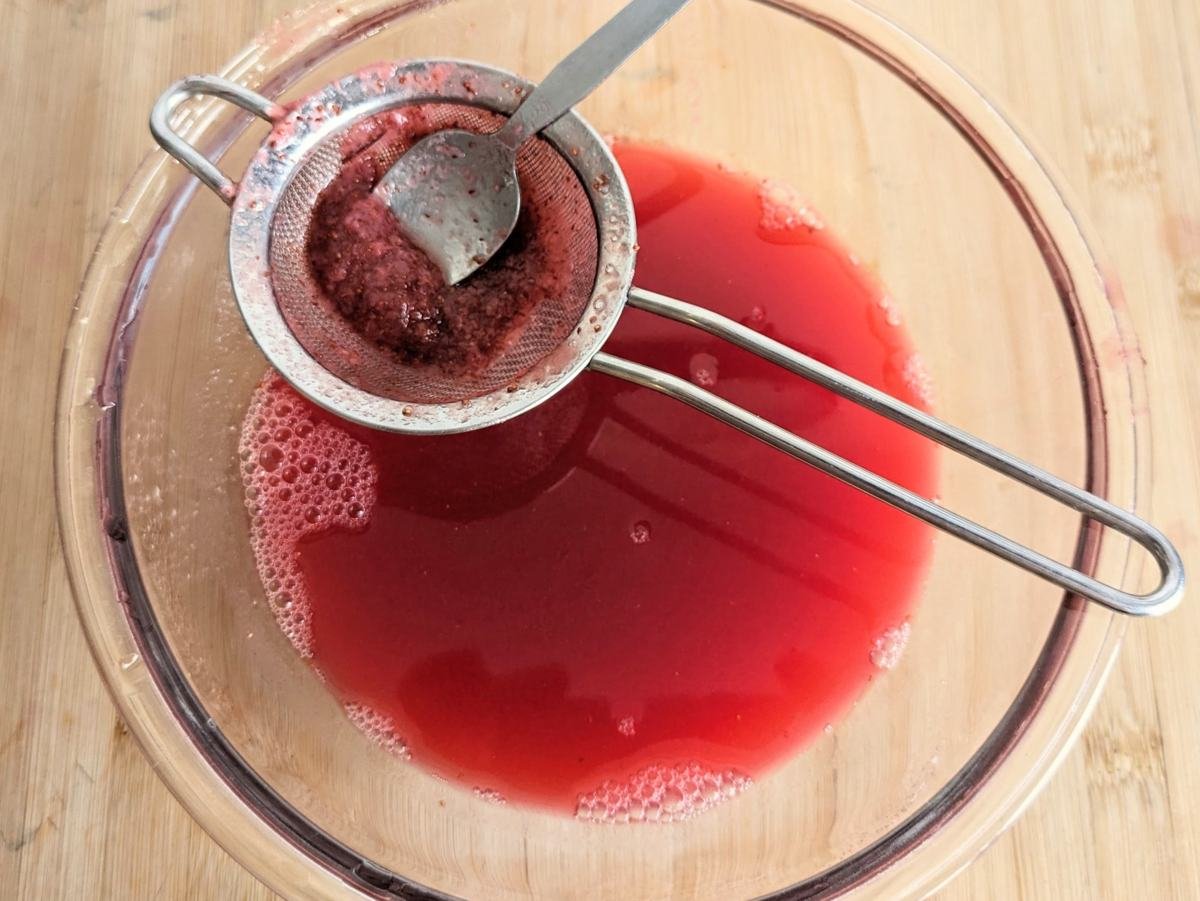
Pour the cooked berries through a regular sieve set over a bowl or jug. Press the berries firmly with the back of a spoon until they burst, extracting as much juice and flavour as possible.
Pass the resulting liquid through a fine-mesh sieve a second time to remove the smaller pieces of berry skin, seeds and any remaining plant material. This gives you plenty of extraction while leaving the finished lingonberry syrup smoother.
Add the Sugar
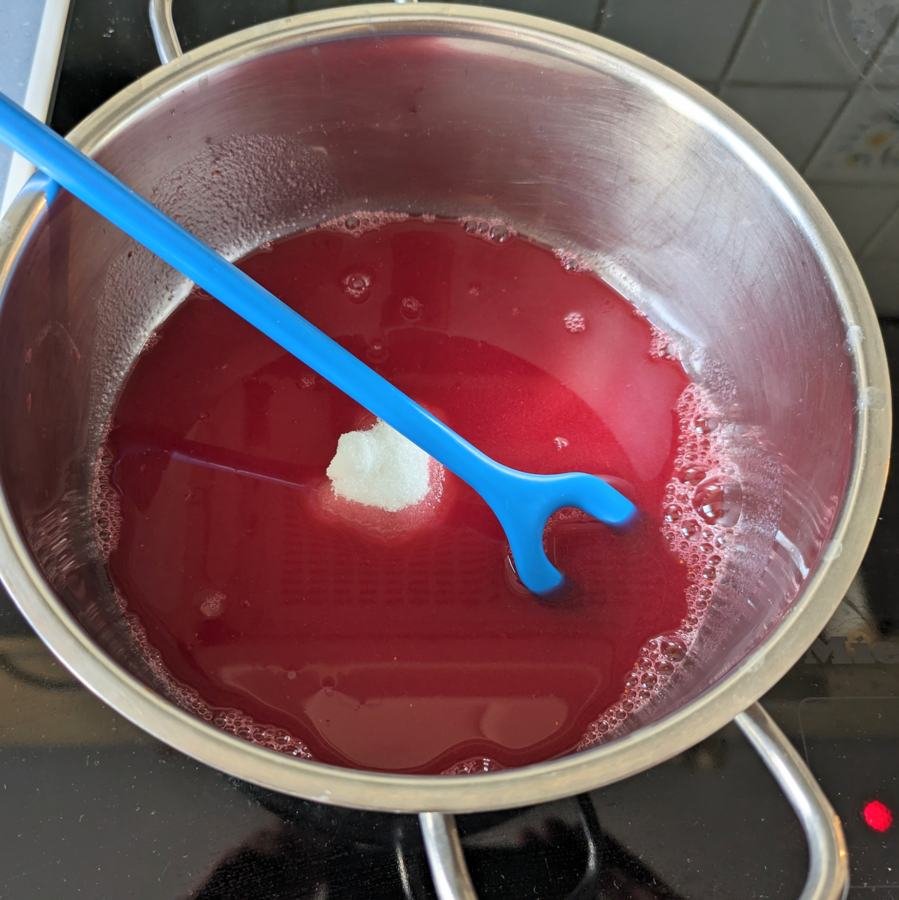
Measure the strained lingonberry juice and pour it back into the clean saucepan. Add the sugar and heat gently, stirring until completely dissolved. Once dissolved, bring to a gentle simmer and cook for 2–3 minutes.
Add the Lemon Juice
Stir in the lemon juice and taste the syrup. Lingonberries are naturally quite tart, so you can add a little more sugar if needed. If the syrup tastes too sweet, a small additional squeeze of lemon will sharpen it.
Bottle and Store
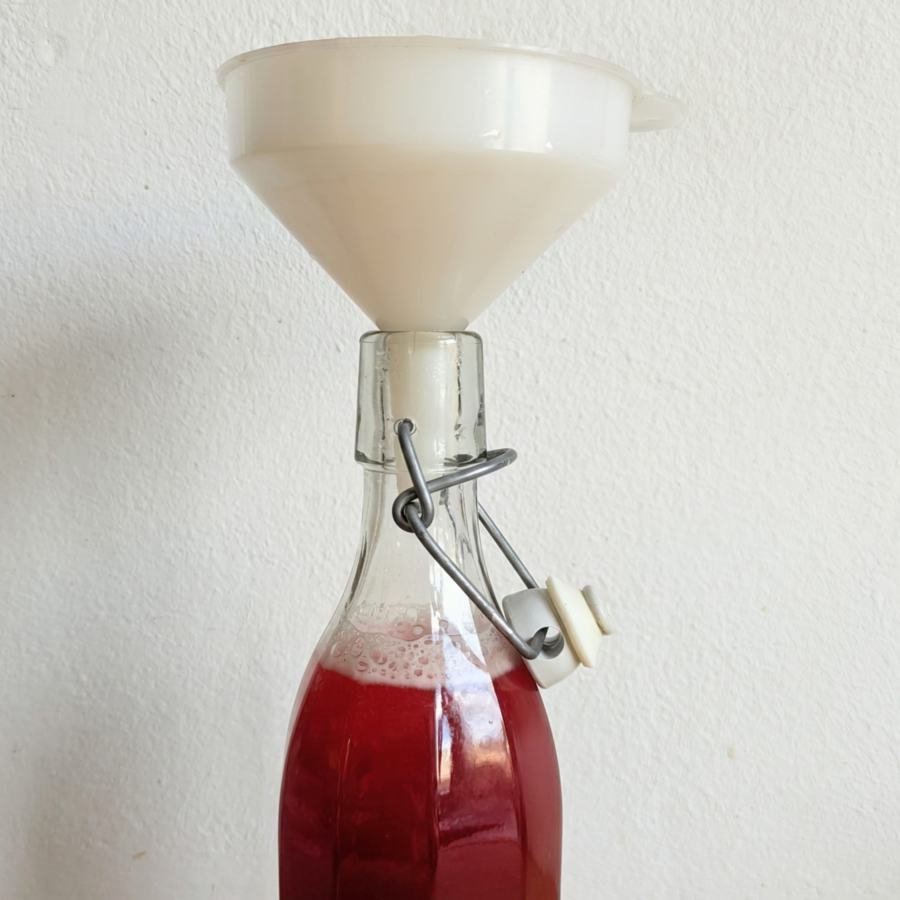
Pour the hot lingonberry syrup into a clean, sterilised bottle or jar and allow it to cool before refrigerating. The syrup will thicken slightly as it cools, but it should remain easy to pour. If it becomes thicker than you want, stir in a small amount of hot water.
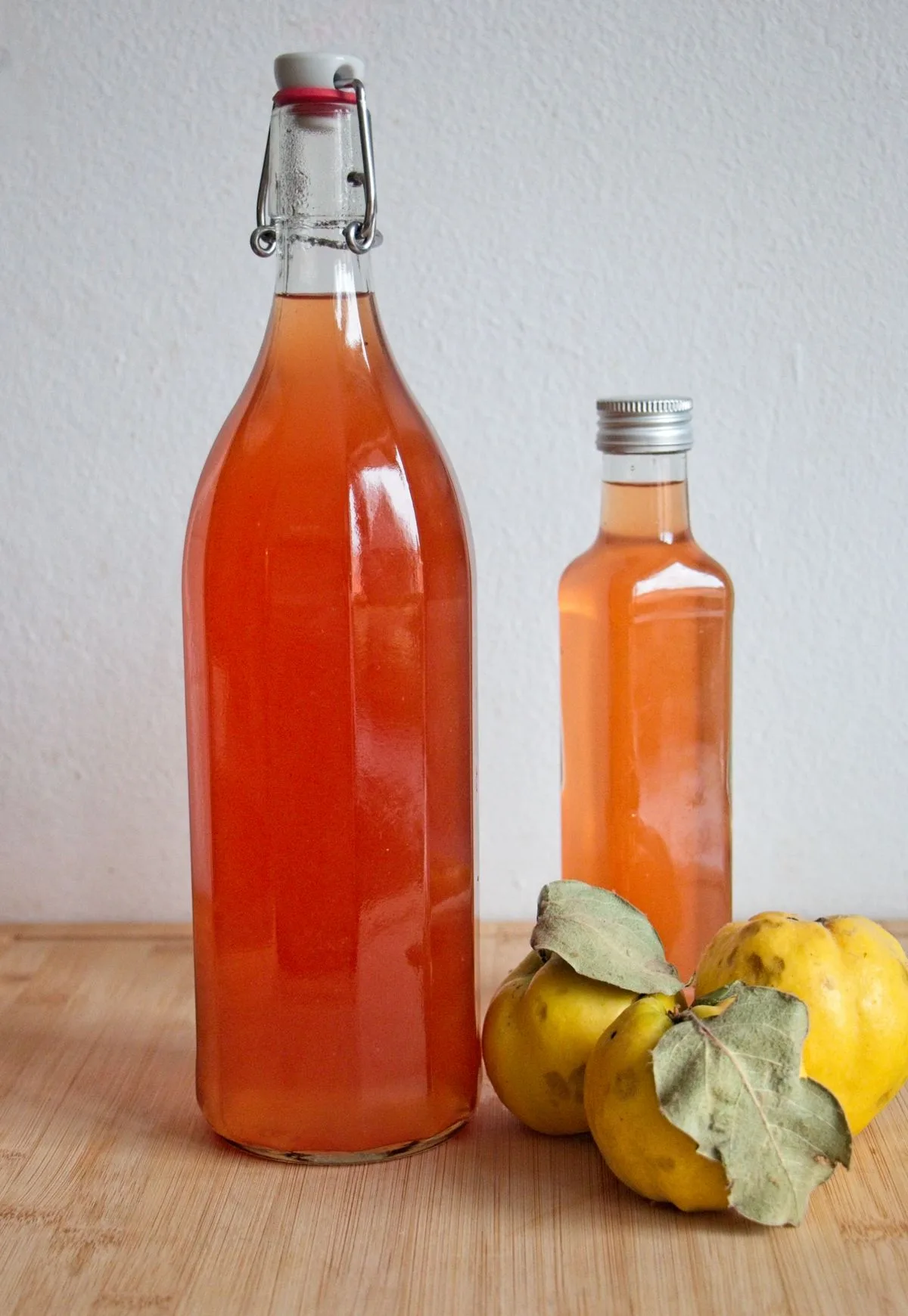
More Summer & Autumn Cordials & Syrups
Lingonberry Syrup (Mountain Cranberry Cordial)
Ingredients
- 250 g fresh lingonberries
- 400 ml water
- 200 g white sugar
- 15 ml lemon juice
Instructions
- Sort through the lingonberries, removing stems, leaves and damaged berries. Rinse well under cold water; a few small pieces of stem or leaf are fine as the syrup will be strained.
- Add the lingonberries and water to a medium saucepan. Bring to a gentle simmer over medium heat, then reduce the heat and cook uncovered for about 15 minutes, stirring occasionally.
- As the berries soften, gently crush them with the back of a spoon. Continue cooking until most of the berries have burst and the liquid is deep red.
- Pour the mixture through a regular sieve set over a bowl or jug. Press the berries firmly with the back of a spoon until they have burst and you have extracted as much liquid as possible.
- Pass the extracted liquid through a fine-mesh sieve to remove seeds, skins and smaller pieces of fruit.
- Pour the strained liquid back into the clean saucepan. Add the sugar and heat gently, stirring until completely dissolved.
- Bring to a gentle simmer and cook for 2–3 minutes. Stir in the lemon juice, then remove from the heat.
- Pour the hot syrup into a clean, sterilised bottle or jar. Allow to cool, seal and refrigerate.
Notes
Variations and Substitutions
This lingonberry syrup is naturally vegan, dairy-free and gluten-free.- Add warming spices: Simmer a small cinnamon stick or one star anise with the berries, removing it before straining.
- Add redcurrants: Replace part of the lingonberries with fresh or frozen redcurrants for a slightly different tart berry flavour.
- Adjust the sweetness: Lingonberries vary in sharpness, so you can slightly increase or reduce the sugar to suit your berries and how you plan to use the syrup.
- Frozen lingonberries: Frozen berries can replace fresh lingonberries without thawing; allow a little extra time for the mixture to return to a simmer.
- Lemon juice: This can be adjusted to taste. Very tart lingonberries may need less, while a little extra can help balance a sweeter batch.
Lingonberry Syrup FAQs
Dilute the syrup with still or sparkling water to make a lingonberry cordial, or use it in cocktails and mocktails. You can also drizzle it over pancakes, porridge, yoghurt or desserts.
Yes. Frozen lingonberries work well and can go straight into the saucepan without defrosting, although they may take a few extra minutes to come to a simmer.
Keep the syrup in a clean, sealed bottle in the refrigerator and use it within a few weeks. For longer storage at room temperature, follow a tested preservation method rather than relying on hot filling alone.
Pressing the cooked berries firmly through the first sieve extracts more flavour but also pushes some fine berry solids into the liquid. Passing it through a fine-mesh sieve afterwards removes most of these, although a little cloudiness is completely normal.
For a thicker syrup, simmer it for a little longer after adding the sugar, keeping in mind that it will thicken further as it cools. If it becomes too thick, simply stir in a small amount of hot water until you reach the consistency you want.
Lingonberries are already naturally tart, so the lemon juice is mainly there to balance the sweetness and sharpen the flavour. Taste the syrup before adding more, as particularly tart berries may only need a small amount.