Lingonberry Apple Jam Recipe
A tart yet balanced Nordic-style preserve made with lingonberries and apples. Perfect for spreading, spooning, and savouring year-round.

This recipe for lingonberry apple jam demonstrates how sour, crimson lingonberries can be turned into a puckery yet well-balanced preserve.
Lingonberry jam is a northern specialty enjoyed for centuries as a way of preserving the harvest. This simple recipe captures those flavours for your kitchen — delicious served on toast, spooned into porridge, baked into a tart, or served alongside sturdy meat and cheeses.
What Are Lingonberries?
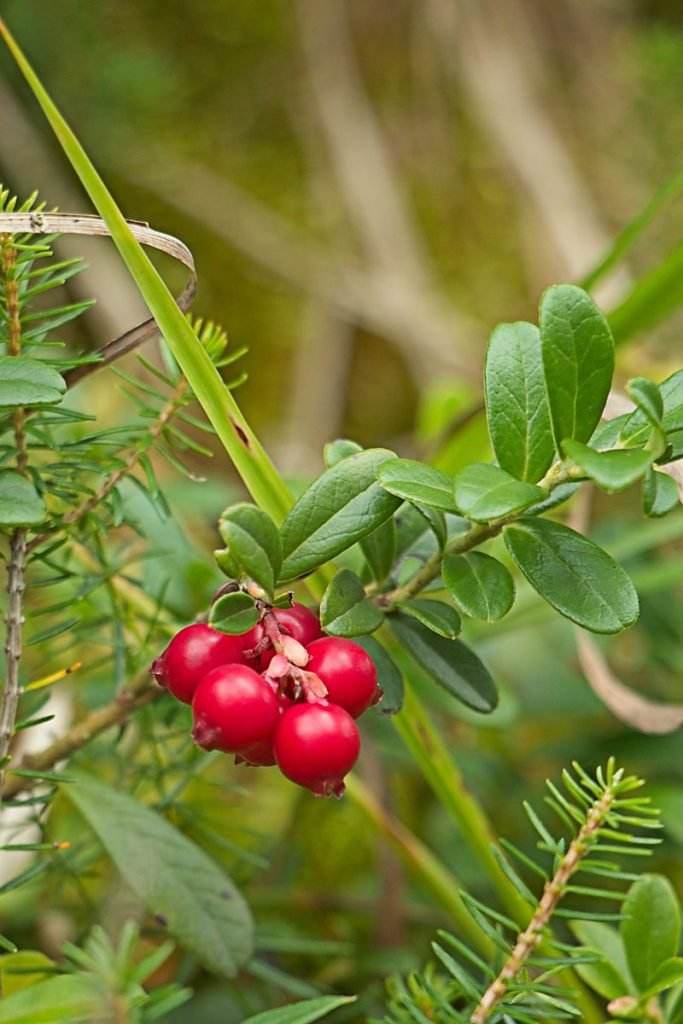
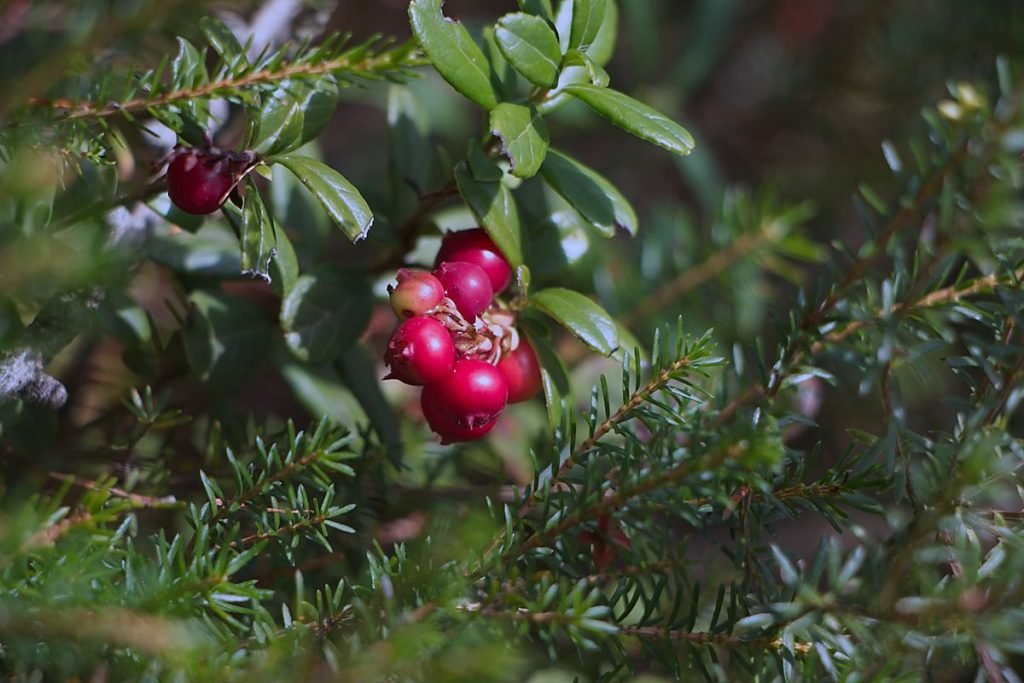
Lingonberries, or Vaccinium vitis-idaea, are small, ruby-red berries that grow at ground level on low-growing evergreen shrubs. They are a cousin of blueberries and cranberries, yet their flavour is much more assertive. In the north, they are often referred to as cowberry, partridgeberry, or mountain cranberry, each a descriptive term for the local association of the shrub.
Nutritionally, lingonberries have long been valued as a natural vitamin C and antioxidant resource. In the cold regions, where there was not much available fruit and vegetables during the long winters, the berries were very important. They are also featured in association with the health of the urinary system and digestive balance, and nowadays are even termed a wild superfood.
In a word, lingonberries are more than just some other berry – they’re a northern hardy fruit, both in character and heritage.

Where & When to Find Them
They are found in upland moors, heathlands, and edges of northern woods, often in sandy acidic ground. Here, in the Austrian Alps, we find them among pine woods at approximately 900 meters and upwards above sea level.
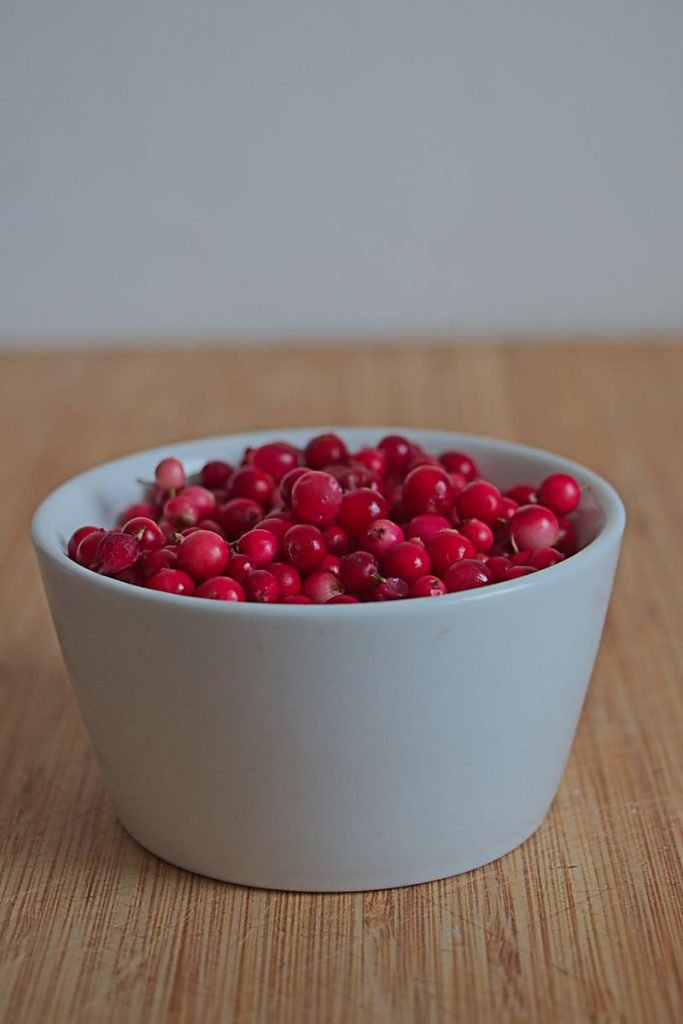
They can be confused for cranberries, although the two are found in different environments. Cranberries like marshes and bogs, spreading on moisture-bearing ground, while lingonberries are found in upright, thorny shrubs bearing shiny, evergreen leaves. Berries are found in clusters and are round, hard, and a very bright, ripe red.
Fruiting season runs from late August through October, the same season as most apple varieties. This natural coincidence makes pairing apples and lingonberries together in preserves traditional and practical.
Fruiting is conditional. Dry and shaded summer seasons reduce fruiting on the forest floors, and cooler, more stable conditions result in fruitier crops.
Why Combine Lingonberries with Apples in Jam?
Lingonberries and apples are natural partners in the kitchen, and not just for their flavour.
- Built-in pectin – Both fruits are rich in natural pectin, which means they thicken easily when cooked together. This creates a jam that sets beautifully without the need for added gelling agents.
- Balanced flavour – Lingonberries are sharp and slightly bitter on their own. Apples soften that edge, adding body and gentle sweetness while allowing the berry’s character to shine through.
- Seasonal timing – In northern climates, lingonberries ripen just as orchard apples are at their best. The overlap makes it practical for foragers and gardeners alike to bring the two together in preserves.
- Cultural tradition – The pairing is long established. In Newfoundland, partridgeberry-and-apple jams are a winter staple, while in Nordic countries, the combination often appears in chutneys served with hearty meats.
Together, the two fruits create a preserve that is both practical and deeply rooted in northern food traditions: tart, balanced, and ready to keep through the long cold months.
Lingonberry Apple Jam Recipe
Ingredients
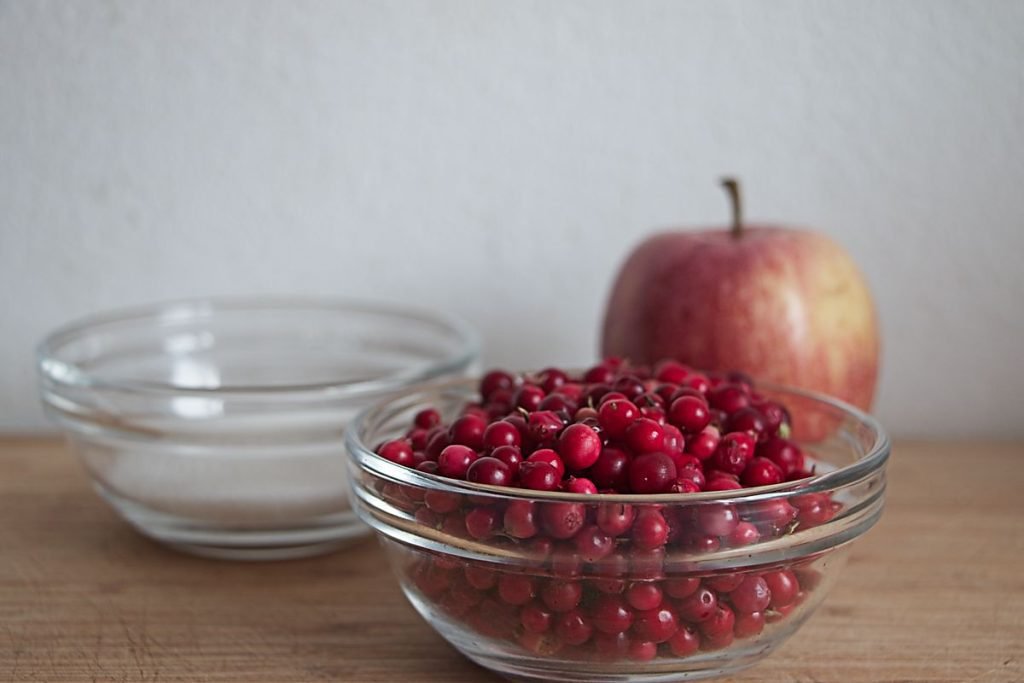
- 300 g Lingonberries washed and large stalks removed
- 200 g Apple peeled and roughly chopped
- 200 g White sugar
- 50 ml Water
Instructions
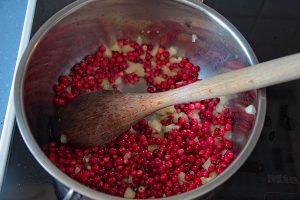
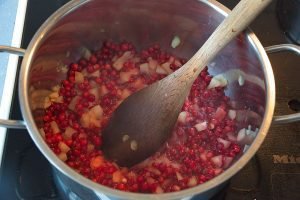
- Place the apples and lingonberries in a saucepan with the water.

- Simmer gently for 5–7 minutes, until the fruit begins to soften and release juice. You will hear satisfying little pops every time a lingonberry bursts.
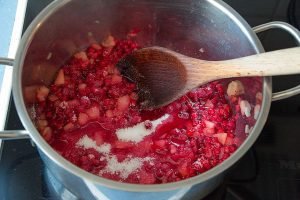
- Add the sugar, stirring until fully dissolved.
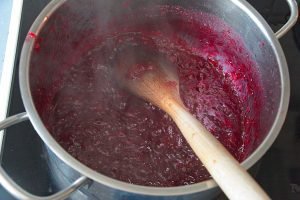
- Continue cooking on a low boil for 15–20 minutes, stirring often, until the mixture thickens and coats the back of a spoon. At this point, you can choose to blend it a little with a stick blender to make it smooth, or leave it chunky if you prefer. If you blend it, be very careful not to get splashed by it.
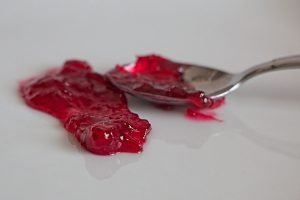
- Test the set by placing a small spoonful on a chilled plate. If it wrinkles when pushed, the jam is ready.
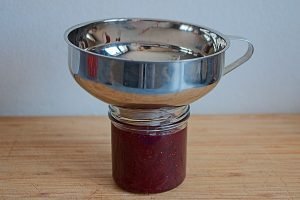
- Pour the hot jam into a sterilised jar (best done with a jam funnel, seal immediately, and allow to cool.