Cornelian Cherry Fruit Leather – Homemade Lavashak with Real Fruit
Tart and chewy Cornelian cherry fruit leather made with ripe fruit and a little sweetener, then slowly dried in the oven. Similar to Persian lavashak and ideal for preserving a large harvest.
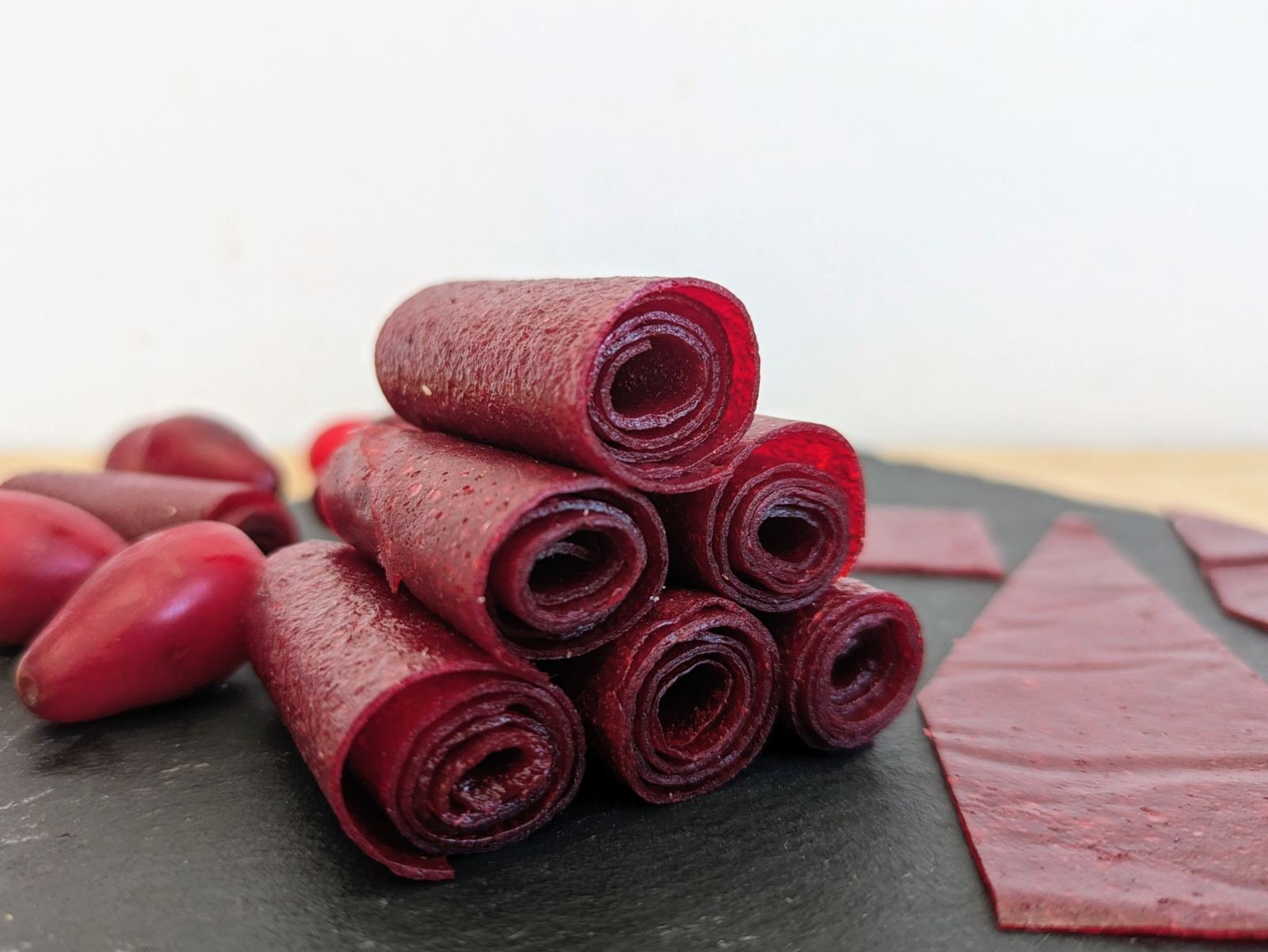
This Cornelian Cherry Fruit Leather is made by cooking ripe Cornelian cherries into a smooth purée, then spreading it thinly and slowly drying it until flexible and chewy. Similar to traditional Persian lavashak, it has an intensely tart, fruity flavour, with just a little honey or syrup added to taste to balance the natural sharpness of the fruit.
This is my homemade take on Rowntree’s Fruit Roll-Ups, a popular sweet I remember from growing up in the UK in the early 2000s (there are many other versions of the same thing, but the Rowntree’s one is what I remember). Those were much sweeter, whereas this homemade Cornelian cherry fruit leather uses just a small amount of sweetener to balance the natural sourness of the fruit, leaving you with a tart, chewy fruit roll-up.
Cornelian Cherry Fruit Leather Ingredients
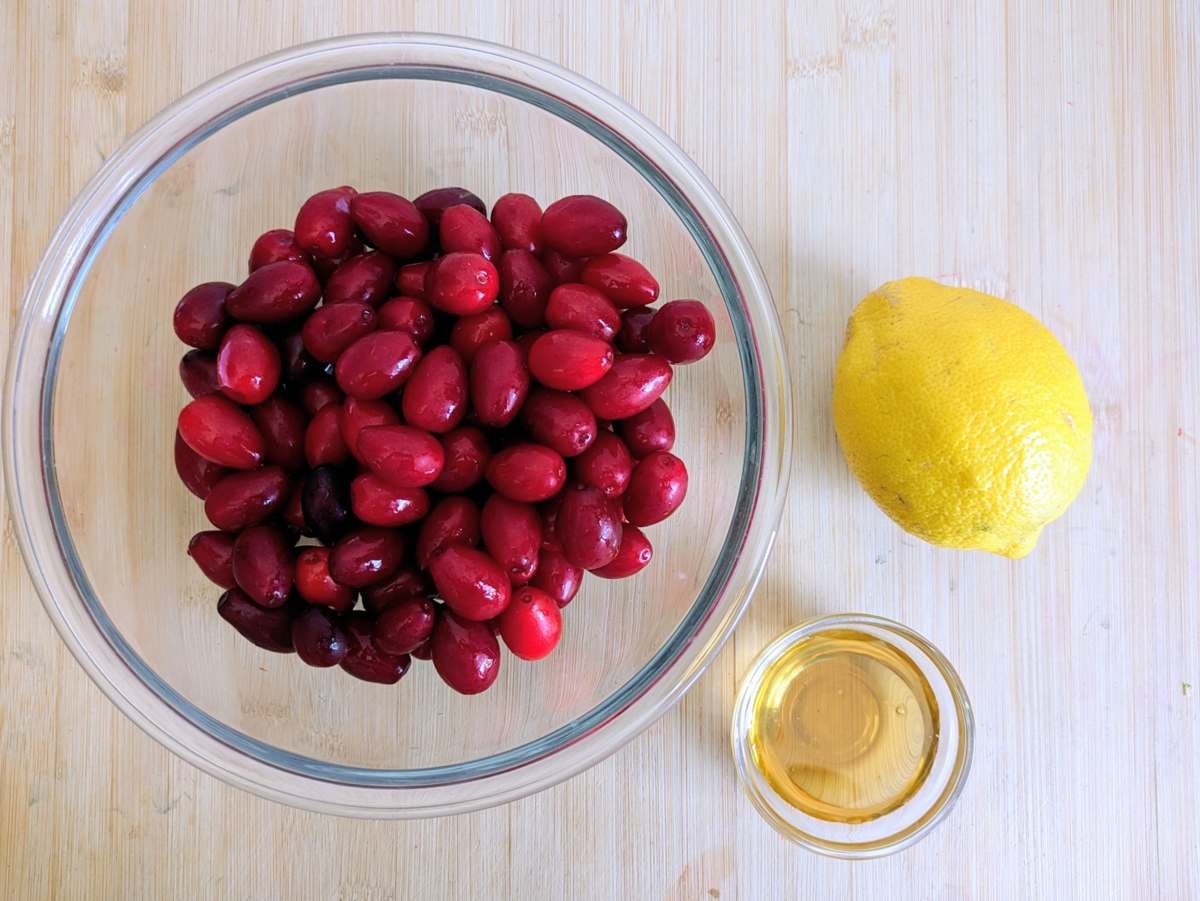
- Cornelian cherries – Use ripe, deep-red cherries for the best balance of tartness and fruit flavour; they are cooked whole before the stones are removed.
- Honey or syrup – A small amount balances the natural sourness of the cherries without making the fruit leather overly sweet; add it to taste depending on the ripeness of your fruit. I used some of the vegan dandelion honey that I made back in the spring.
- Water – Just enough is added to the pan to help the whole cherries soften and break down without catching as they cook.
- Lemon juice – Optional, but useful if your Cornelian cherries are very ripe and the purée tastes sweeter than expected; add a little at a time to restore some of the fruit’s natural tartness.
How to Make Cornelian Cherry Fruit Roll Ups
Cook the Cornelian cherries
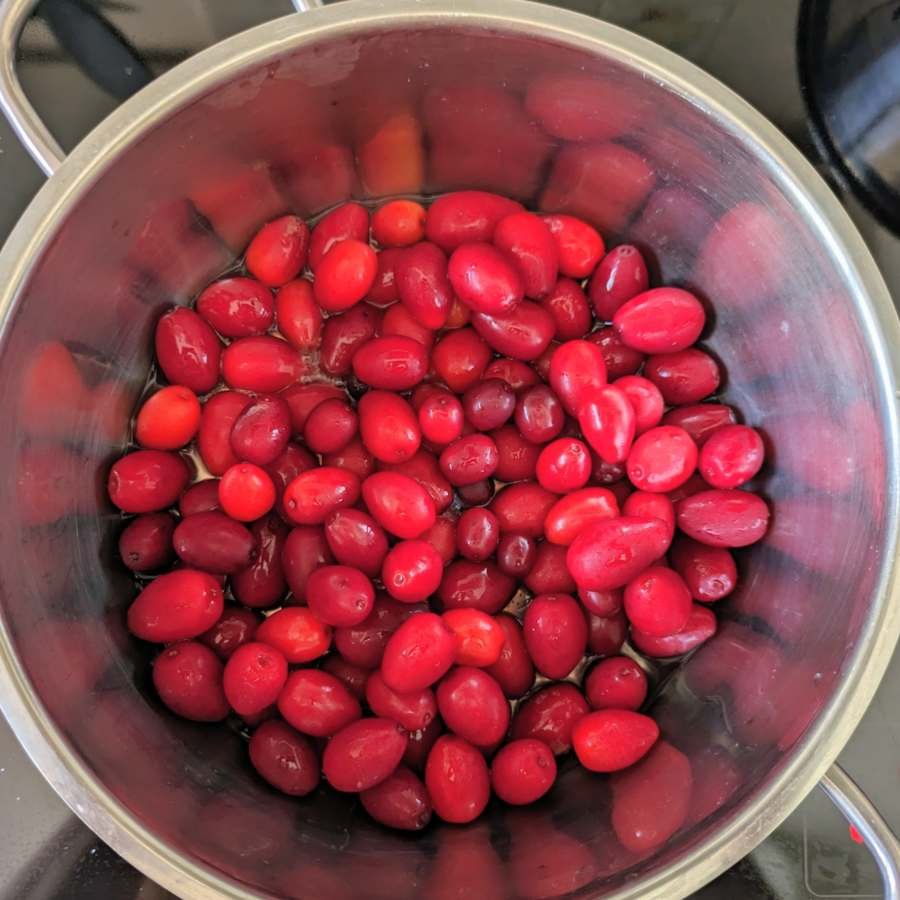
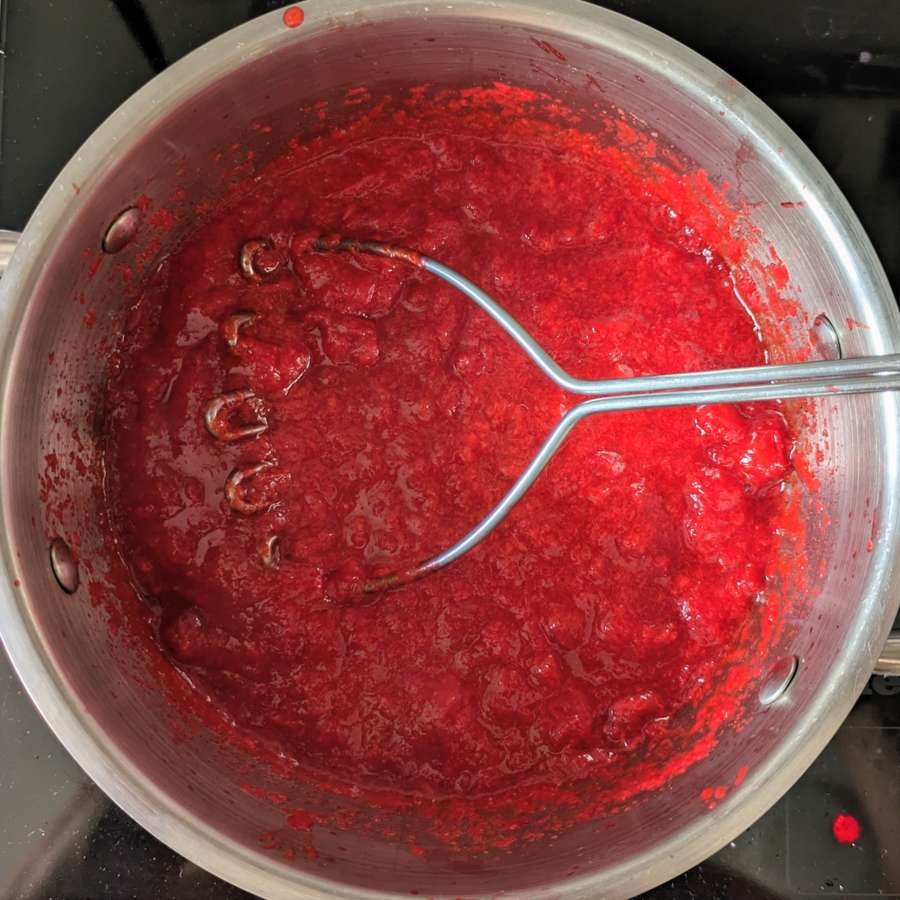
Add the whole Cornelian cherries and water to a medium saucepan. Cover and cook over low heat for 15–20 minutes, stirring every few minutes. As the cherries soften, lightly mash them with a potato masher until the skins split and the fruit has completely broken down.
Remove the stones
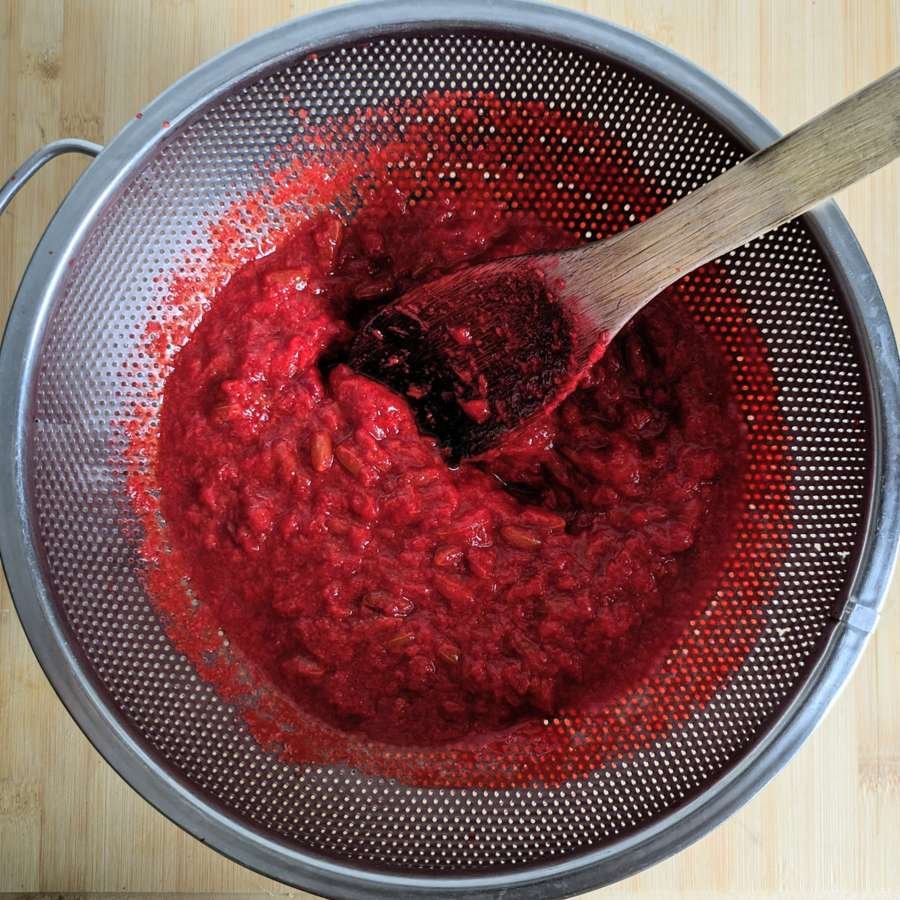
Set a coarse sieve or colander over a large bowl and add the cooked fruit. Use the back of a ladle to press the cherries firmly through the holes, leaving the stones and tougher skins behind. Scrape any purée clinging to the underside of the colander into the bowl.
Sweeten to taste
Taste the Cornelian cherry purée before adding any sweetener. Stir in a small amount of honey or syrup at a time until the sharpness is balanced but the fruit still tastes distinctly tart. The amount needed will depend on how ripe your cherries are.
If your fruit is very ripe and the purée tastes too sweet, add a little fresh lemon juice to bring back some acidity.
Prepare the baking tray
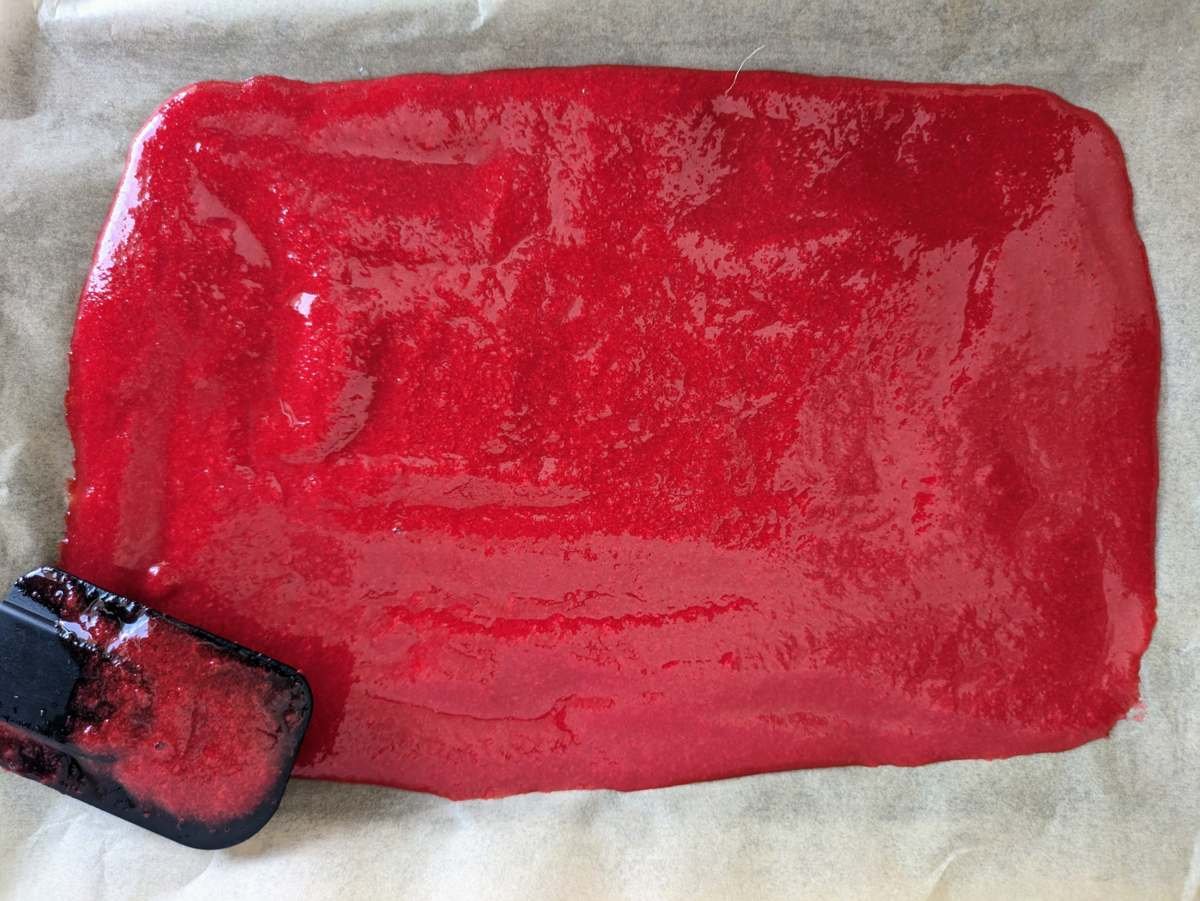
Line a large, flat baking tray with good-quality non-stick baking parchment. Pour the purée onto the parchment and spread it into an even layer approximately 3 mm thick, making the edges very slightly thicker as they tend to dry first.
Slowly dry the fruit leather
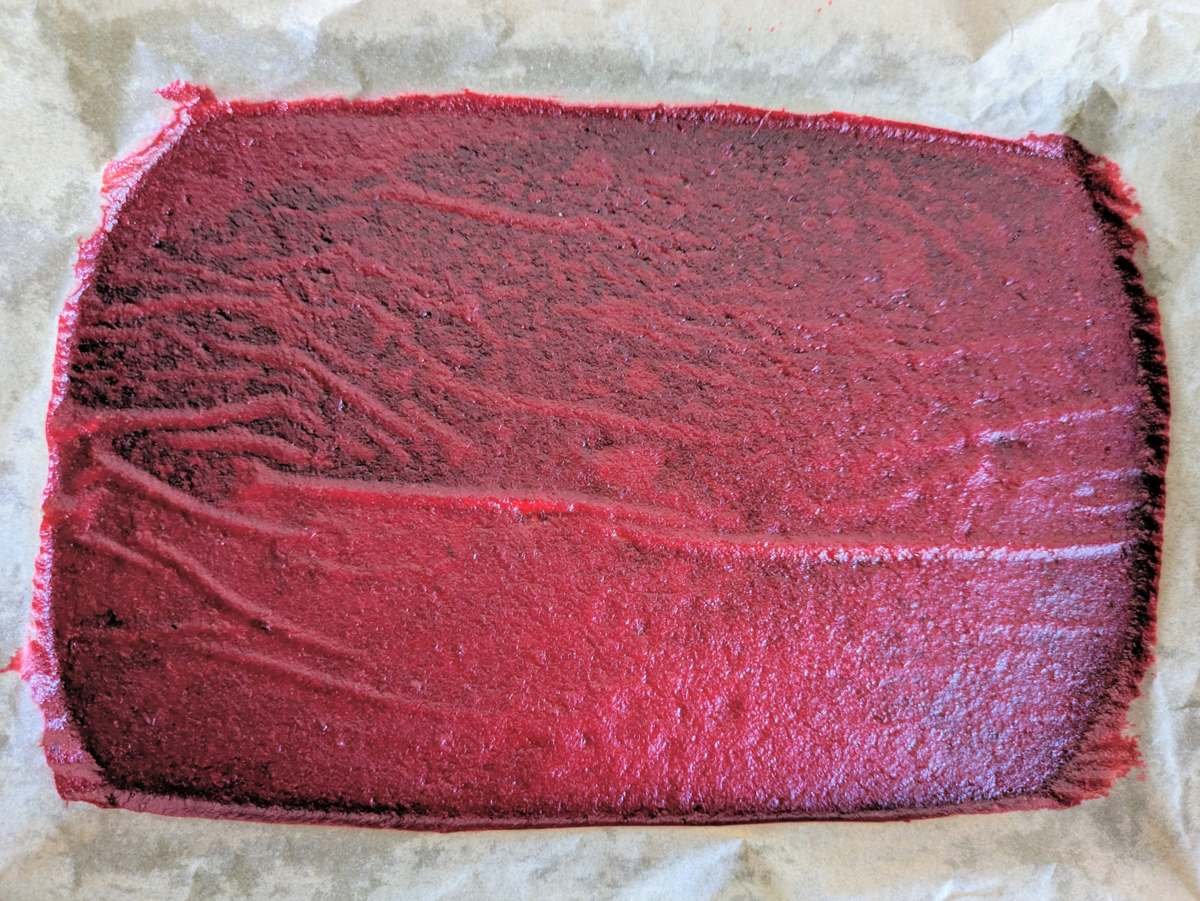
Place the tray in a 70°C / 160°F fan oven and dry for approximately 6–8 hours. Start checking after about 5 hours, particularly in the centre where the purée is likely to be thickest.
The fruit leather is ready when the surface looks dry and matte and feels slightly tacky but not wet or sticky. Press the centre with a fingertip; no fruit should transfer to your finger.
Cool and peel
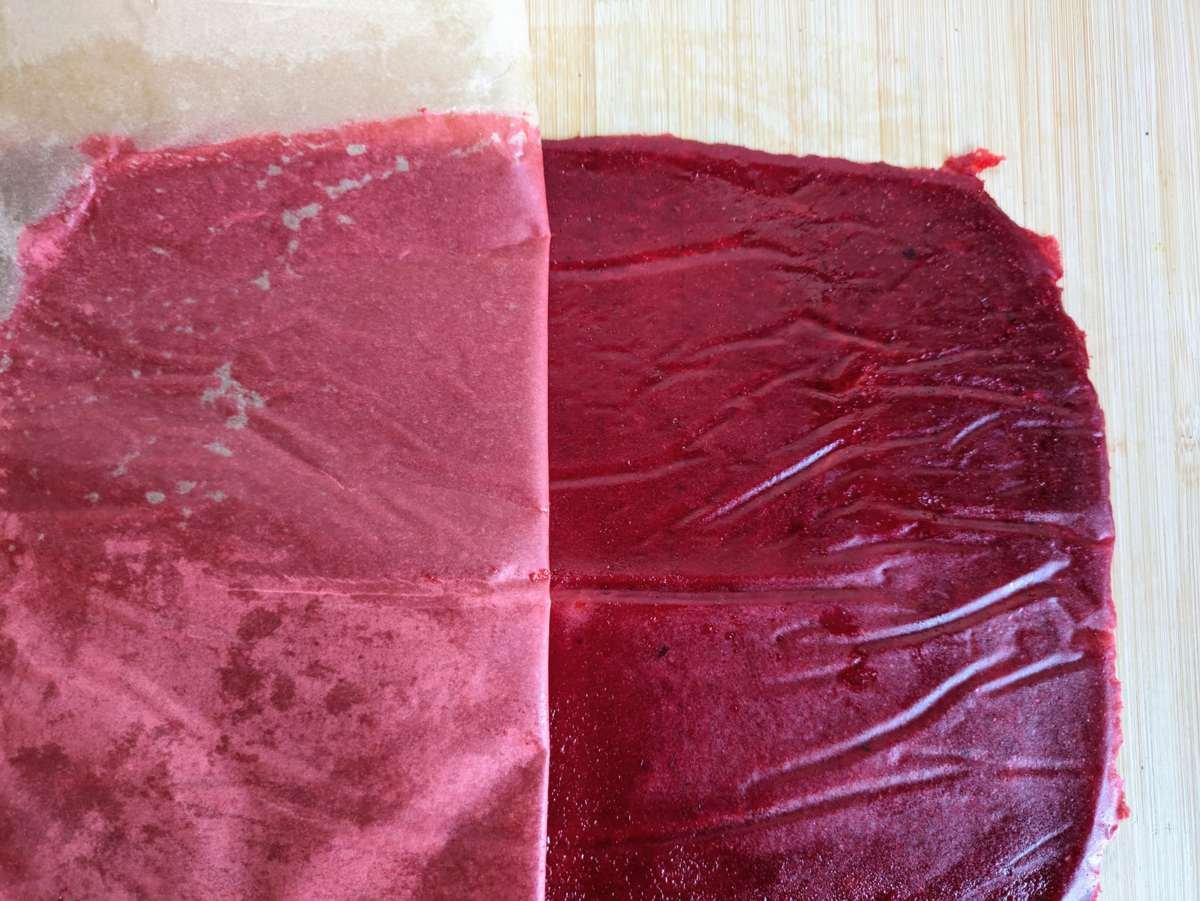
Remove the tray from the oven and allow the fruit leather to cool completely for 15–20 minutes. Flip the fruit leather upside down so the parchment is facing upwards, then slowly peel the paper away from the leather. A few small spots sticking are fine, but if larger areas remain on the parchment, return it to the oven for another 20–30 minutes, cool, and try again.
Cut and roll
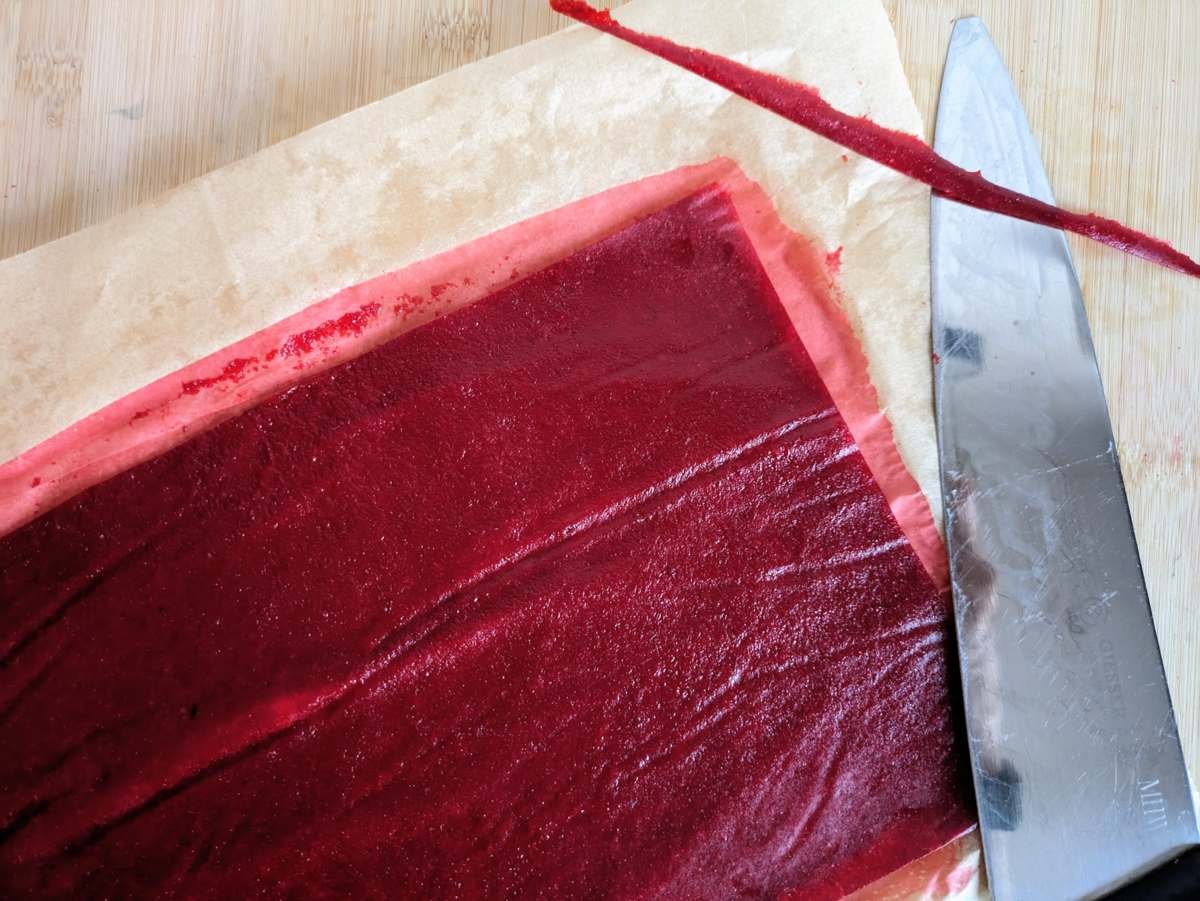
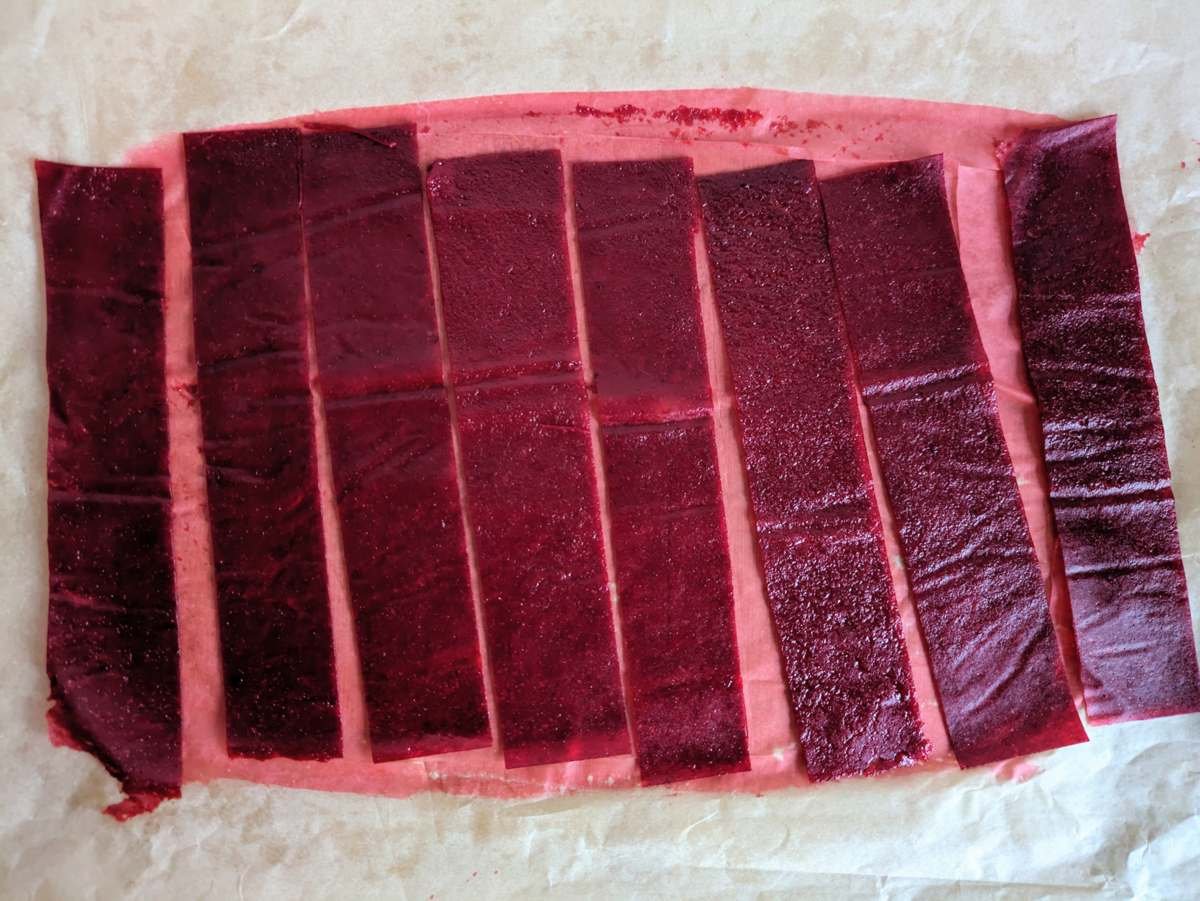
Trim away any particularly dry or uneven edges, then cut the fruit leather lengthways into strips around 3–4 cm wide and 15–20 cm long. Roll each strip up tightly from one end. Once properly dried and cooled, the fruit leather should roll without sticking to itself.
If it does feel slightly sticky, it is probably a little under-dried, but this isn’t a problem — simply cut a long strip of baking parchment, place the homemade fruit roll-up on top and roll them up together.
Store the fruit leather
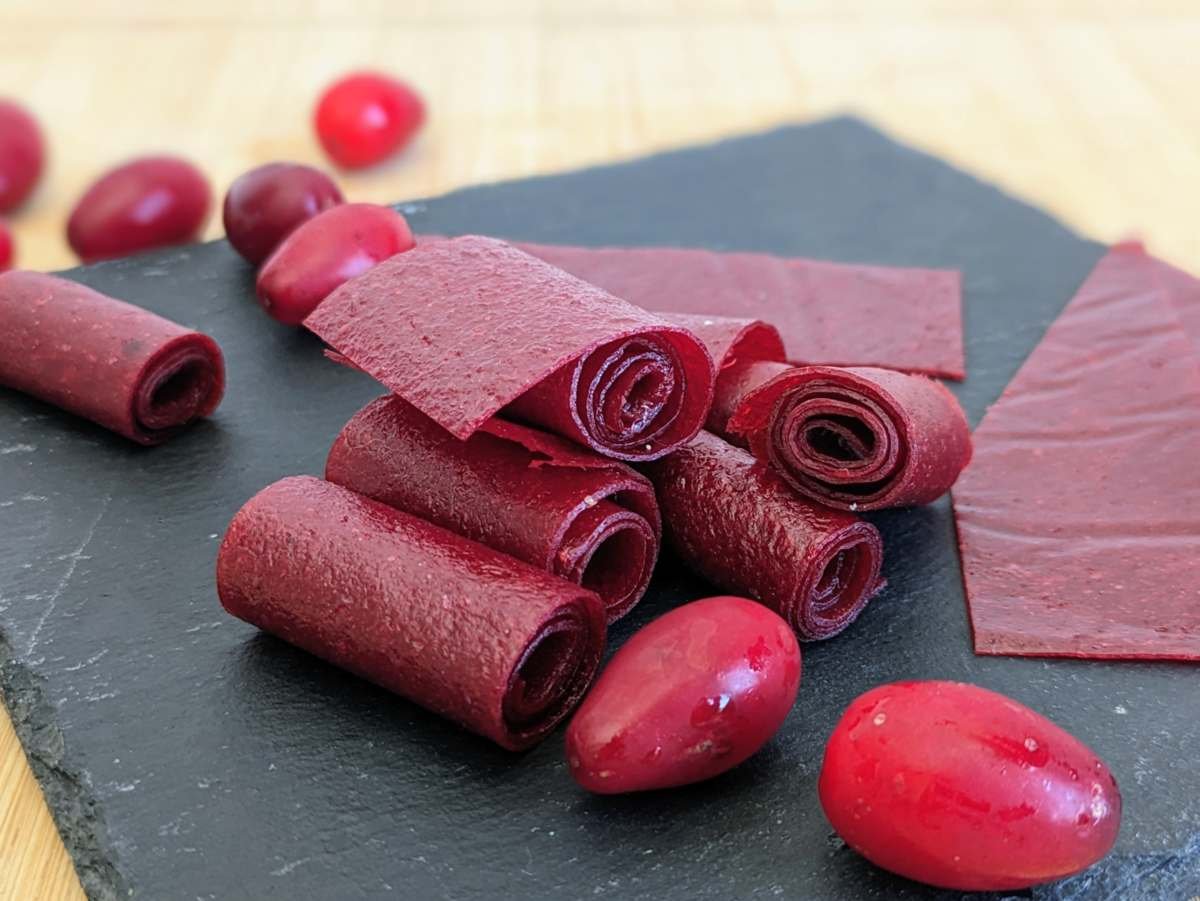
Once completely cool, keep the rolls in an airtight container at room temperature. I add a food-safe silica gel packet to the container to help absorb excess moisture and keep the fruit leather from becoming sticky. Store somewhere cool and dry, away from direct sunlight.
More Cornelian Cherry Recipes
- Cornelian Cherry Jam
- Cornelian Cherry Jelly
- Cornelian Cherry Cordial
- Slow Cooker Cornelian Cherry BBQ Sauce
Cornelian Cherry Fruit Leather
Ingredients
- 500 g ripe Cornelian cherries
- 50 ml water
- 15 g honey or syrup to taste
Instructions
- Add the Cornelian cherries and water to a medium saucepan. Cover and cook over low heat for 15–20 minutes, stirring occasionally and lightly mashing the fruit as it softens.
- Once the cherries have completely broken down, press the mixture through a coarse sieve or colander using the back of a ladle. Discard the stones and tougher skins.
- Taste the purée and stir in the syrup or honey. Add only enough to balance the natural sourness of the fruit. If your fruit were very ripe and it tastes very sweet, add a little lemon juice to bring back the sourness.
- Line a large, flat baking tray with non-stick baking parchment. Spread the purée evenly to approximately 3 mm thick, leaving the outer edges very slightly thicker.
- Dry in a 70°C / 160°F fan oven for around 6–8 hours. Begin checking after 5 hours. The fruit leather is ready when the surface is matte and dry, with a slightly tacky feel but no purée transferring to your finger.
- Remove from the oven and cool completely for 15–20 minutes. Flip the sheet over so the parchment faces upwards, then gently peel the paper away.
- Trim uneven or overly dry edges and cut into strips approximately 3–4 cm wide and 15–20 cm long. Roll each strip from one end. If the leather is slightly sticky, place each strip on a piece of baking parchment and roll them together.
- Store completely cooled fruit rolls in an airtight container in a cool, dry place. A food-safe silica gel packet can be added to help prevent them absorbing moisture.
Notes
Variations and Substitutions
This Cornelian cherry fruit leather is naturally dairy-free and gluten-free. Using dandelion syrup or another plant-based syrup also keeps it vegan; honey does not.- Adjust the sweetness – Very ripe Cornelian cherries may need little or no sweetener. For particularly tart fruit, add dandelion syrup or honey gradually until the purée tastes balanced while still retaining its characteristic sourness.
- Apple and Cornelian cherry – Replace up to a third of the cherries with cooked apple for a milder, slightly sweeter fruit leather. Apple also gives the finished rolls a softer texture.
- Add warming spice – A small pinch of cinnamon or ground ginger can be stirred into the purée before drying, but keep it restrained so the Cornelian cherry flavour remains dominant.
- Swap the sweetener – Honey, dandelion syrup, maple syrup or a simple sugar syrup can all be used. Because liquid sweeteners add moisture, avoid adding much more than necessary.
Cornelian Cherry Fruit Leather FAQs
If the surface feels wet or leaves fruit on your finger, it needs more drying time. Return it to the oven for 20–30 minutes at a time, then cool it before checking again, as the texture firms slightly as it cools.
Yes. If your Cornelian cherries are ripe enough for your taste, you can leave the sweetener out completely. I add just enough to soften the fruit’s natural sourness rather than making the finished leather noticeably sweet.
Make sure the purée is spread evenly and dried until the surface is matte and only slightly tacky. Once cooled, flip the whole sheet over and peel the parchment away from the fruit leather, rather than trying to pull the leather off the paper
Keep completely cooled fruit leather in an airtight container in a cool, dry place. I also add a food-safe silica gel packet to help control moisture and prevent the rolls from becoming sticky; refrigerate or freeze it if you want to keep it for longer.
Yes. Fruit leather is well suited to making in batches when you have plenty of ripe fruit, and the finished rolls take up far less space than the fresh cherries. Make sure they are thoroughly dried and completely cool before packing them away.
Cracking usually means the leather has been dried a little too long or was spread too thinly, particularly around the edges. Next time, aim for an even layer around 3 mm thick, with the outer edges very slightly thicker than the centre.