
How to Make Dandelion Honey from Fresh Flowers
Turn fresh dandelions into a golden, honey-like syrup. This easy recipe makes a simple, floral vegan alternative to traditional honey.
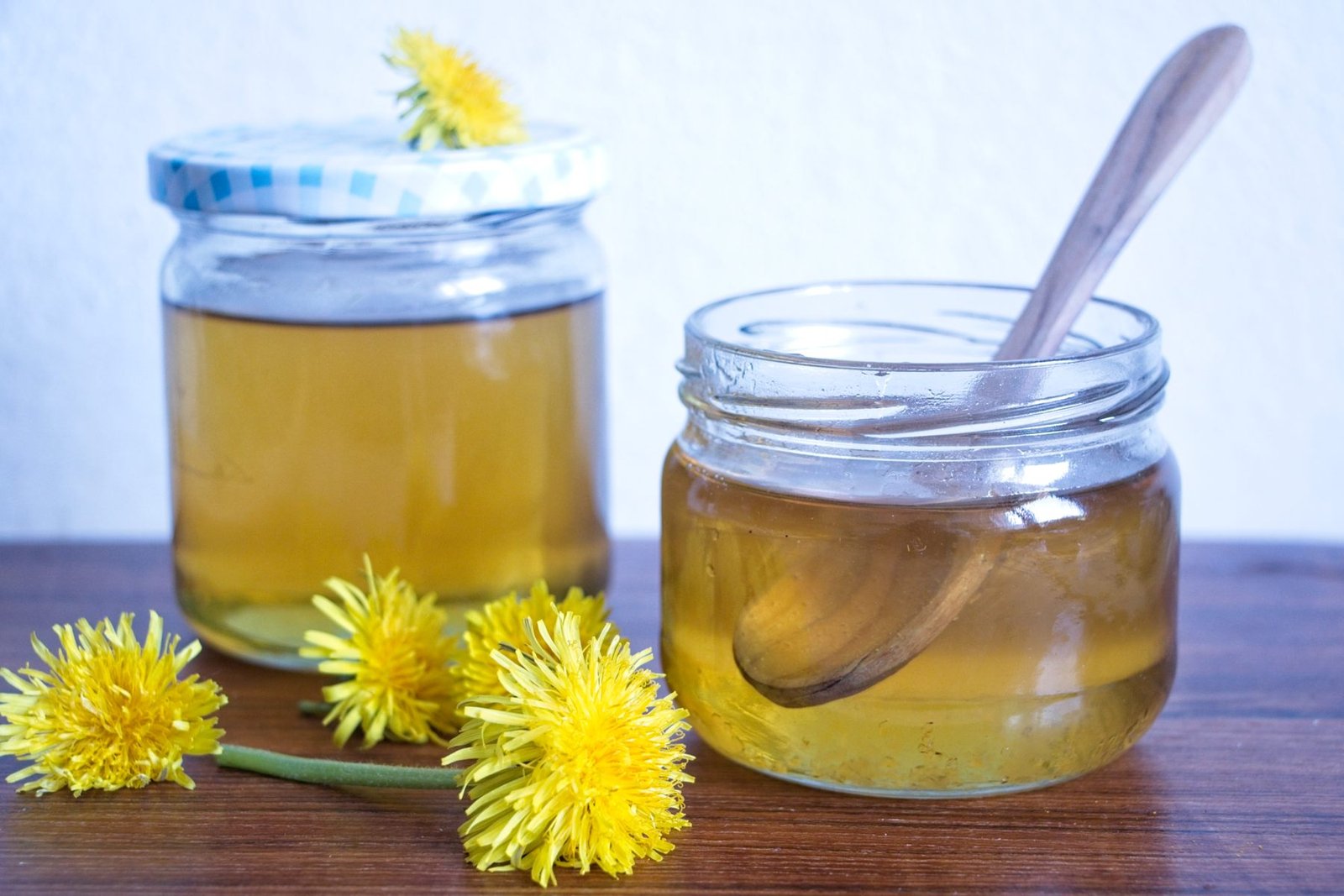
This dandelion honey is a simple wild flower alternative that tastes surprisingly close to real honey. Made from fresh blossoms, it captures a light, floral sweetness without using bees. Perfect for anyone into foraging, natural recipes, or vegan alternatives.
We’ve been making this dandelion honey every spring for the past few years. What started as a fun, simple experiment during our exploration of vegan alternatives has turned into a family tradition—heading out together to gather fresh flowers and turning them into a golden, honey-like syrup.
It’s also a great way to introduce little ones to foraging, while showing them that dandelions aren’t weeds at all, but an important part of a healthy ecosystem.
What is Dandelion Honey?
Dandelion honey isn’t real honey made by bees. It’s a simple syrup made by infusing dandelion flowers with water and sugar, then reducing it into a thick, golden liquid.
Because real honey is not vegan (it is made by animals, afterall) it offers a real homemade honey alternative that tastes very similar to the original thing.
It might seem like a trendy new vegan alternative, but it is not a new invention. Dandelion honey and syrup has been made for generations across parts of Northern and Central Europe, where it was used as an alternative when honey was scarce. Dandelions are native to Eurasia, and were taken to America by our colonial ancestors because it was considered an important medicinal herb.
What Does Dandelion Honey Taste Like?
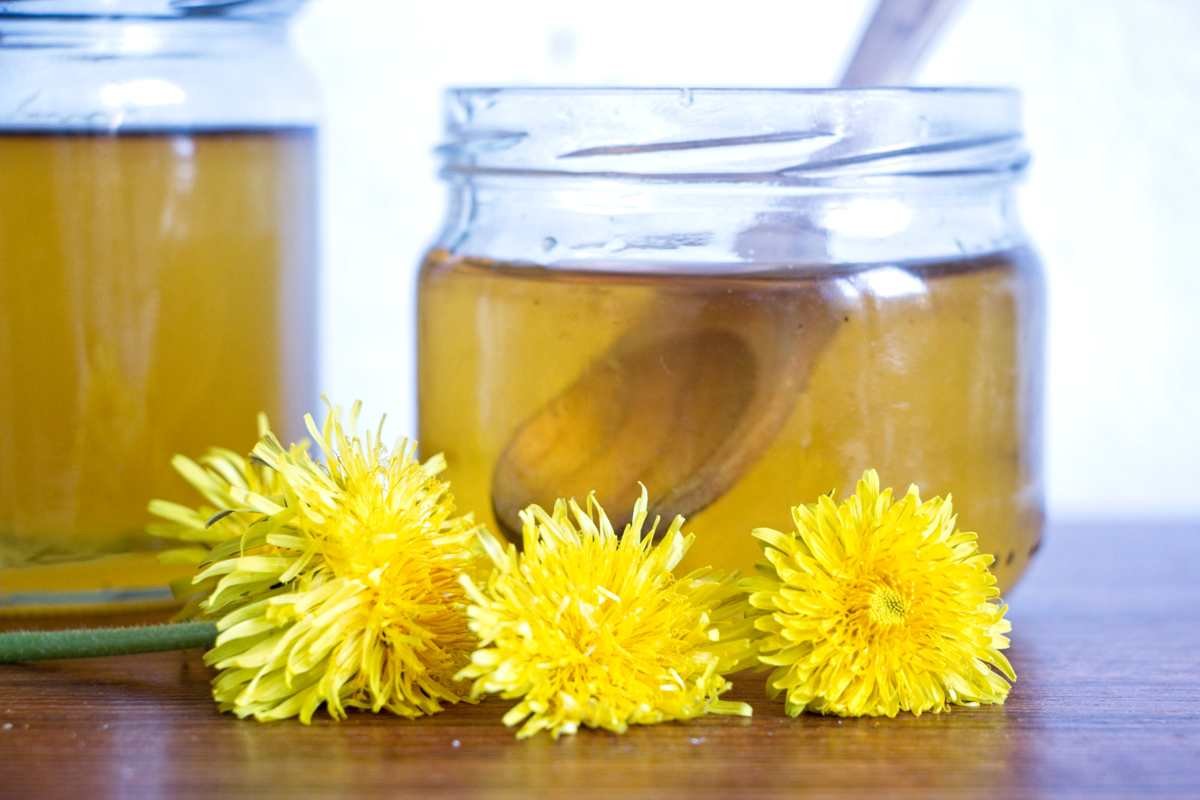
Dandelion honey has a light, floral sweetness that’s surprisingly close to real honey, with a subtle herbal note underneath. It’s not as rich or complex as bee honey, but it has a clean, delicate floral flavour that works great in recipes that call for honey, or poured over pancakes or waffles.
What affects the flavour?
- Petals vs whole flowers: Using only the yellow petals gives a smoother, less bitter result. Whole flowers can add a slightly green, herbal edge.
- Infusion time: A longer steep creates a deeper, more pronounced floral flavour, while a shorter infusion keeps it lighter and fresher.
How Many Dandelions Do You Need?
To make one small jar of dandelion honey (around 250–300 ml), you’ll need roughly 100–150 dandelion flower heads.
That might sound like a lot, but it usually works out to about a small basket or large bowl full of flowers once picked. They are also prolific and you can find this many in just a few minutes in many places.
Petals vs whole flowers
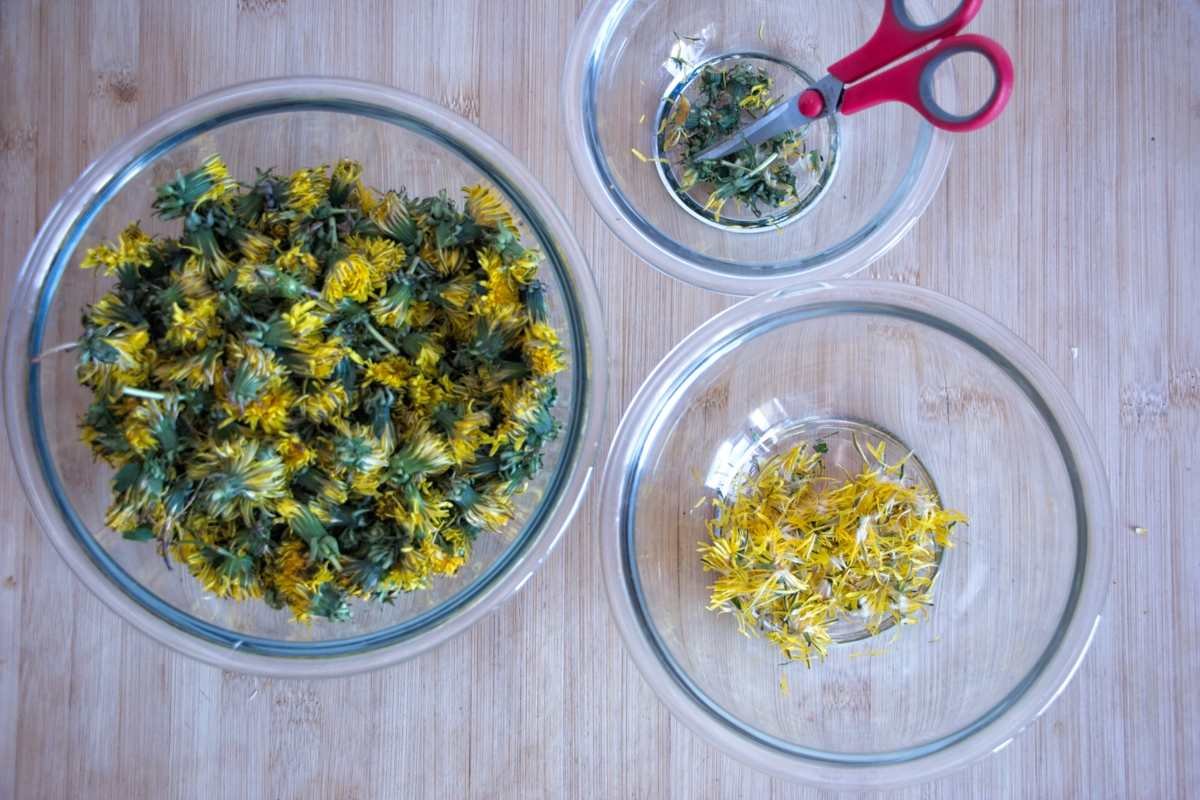
- Whole flower heads: Easier and faster to prepare, but can add a slightly more herbal or bitter note due to the latex in the involucre (the green bulbous base of the flowerhead)
- Petals only: Takes more time, but gives a cleaner, smoother, more honey-like flavour.
I like to pick the whole heads, and then just roughly cut away the petals. It’s a good middle ground—you get most of the clean flavour without spending ages separating every single petal.
As a rough guide: 100 flowers ≈ 1 cup of petals once cleaned
Dandelion Foraging Tips
Foraging for dandelions is easy, and with a few simple tips, you can have a basket full of prime condition dandelions in no time.
- Pick a sunny day, and pick just after noon, when the flowers are fully open.
- Avoid areas near roads of sprayed lawns. Also avoid anywhere dogs are walked, as they love to pee on them.
- Go for the fresh bright yellow blooms, and not ones that are wilted.
- It is the pollen we want. Avoid tiny little flower heads, as the bigger ones have more pollen.
Is Dandelion Honey Suitable for Young Children?
Unlike traditional honey, dandelion honey does not carry the same risk of botulism, as it isn’t produced by bees and is made from boiled ingredients. This means it is generally considered safe for young children.
That said, it is still very high in sugar, so it’s best enjoyed in moderation. As with any homemade food, use your judgement and introduce new foods carefully, especially with very young children.
Ingredients
Aside from getting all your foraged dandelion flowers, you will just need a couple of extra ingredients.
- Sugar
- Water
- Lemon (juice or slices)
I prefer to úse caster sugar as a darker one would make the final dandelion honey darker, and I prefer to keep the final product looking like liquid gold. Any sugar would work though.
How to Make Dandelion Honey (Step-by-Step)
Step 1: Goodbye Bugs!
Gently shake the dandelion flowers to remove any insects. Avoid washing them, as this can rinse away the pollen, which contributes to the flavour. Instead, spread them out on kitchen paper for an hour or two and let any bugs crawl away naturally.
Step 2: Prepare the petals
Trim away the petals from the flower heads, or at the very least remove the green base of the flower. This helps reduce bitterness and keeps the flavour lighter and more honey-like.
Step 3: Make the infusion
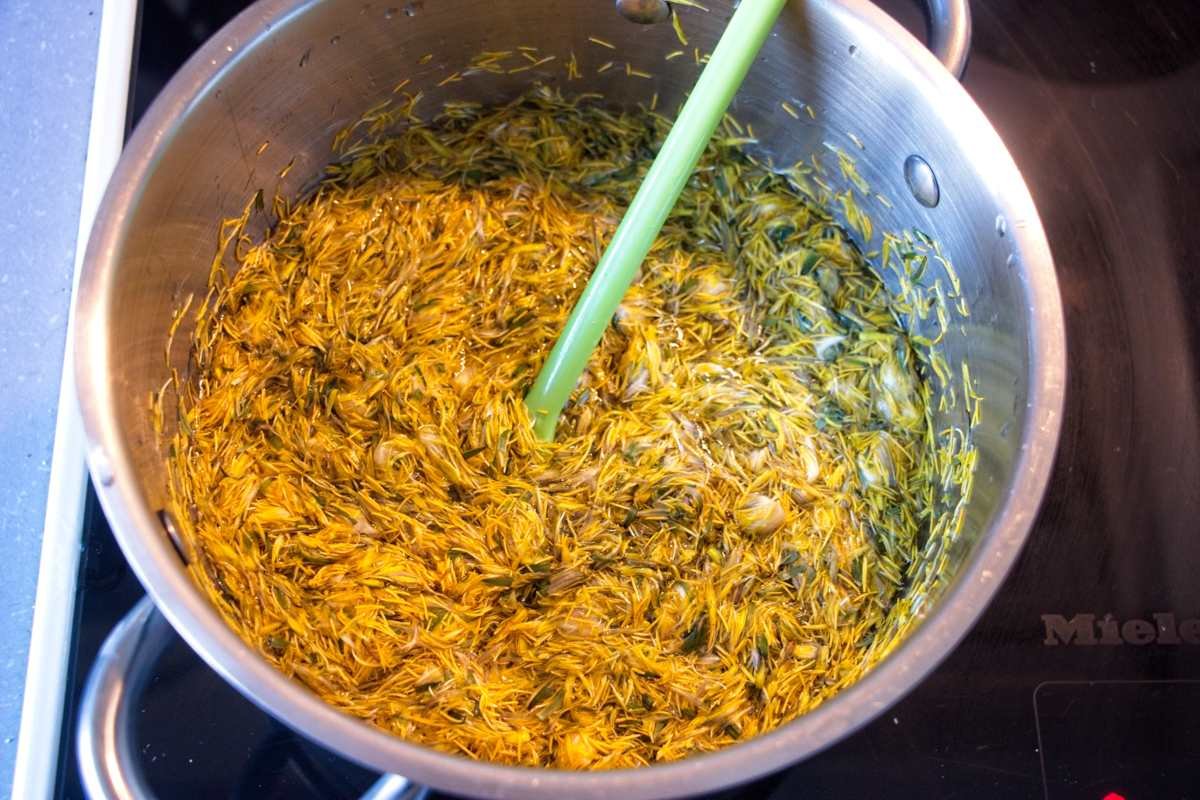
Place the prepared petals into a pan with the water and add the lemon. Bring to a gentle simmer and let it cook for about 5 minutes.
Remove from the heat and allow the mixture to steep with a lif on for a few hours, or preferably overnight for a stronger flavour.
Step 4: Strain
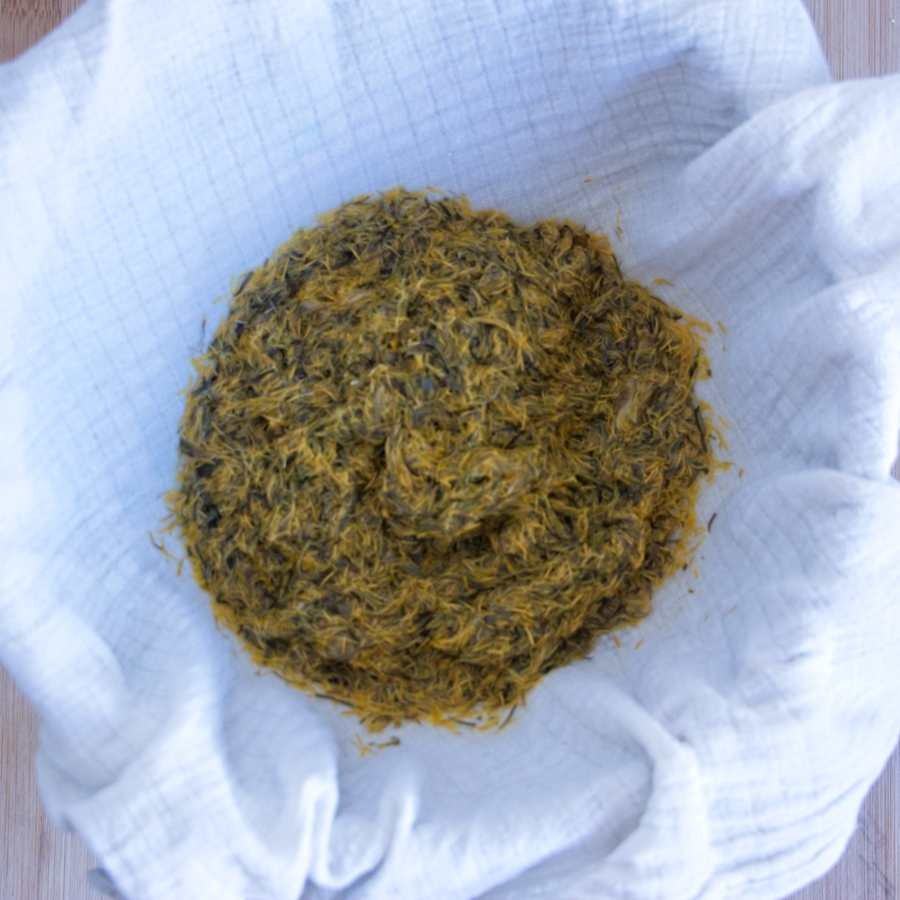
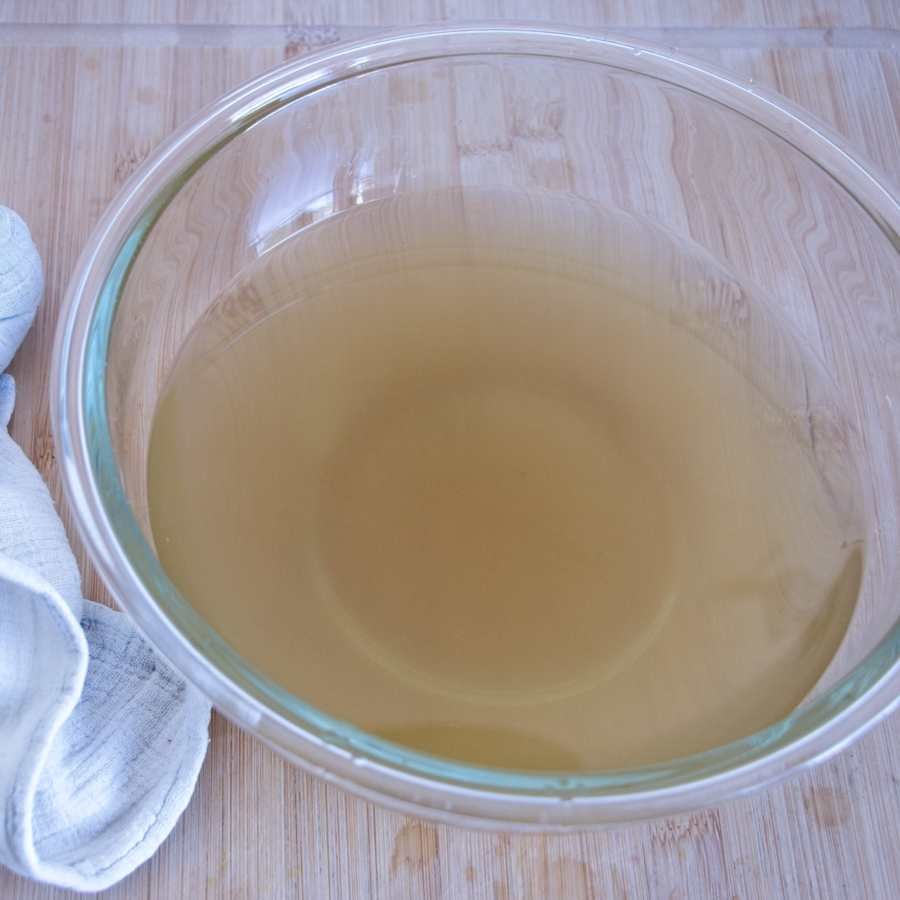
Strain the mixture through a sieve or muslin cloth, pressing gently to extract as much liquid as possible. Discard the flowers and keep the infused liquid.
Step 5: Add sugar and reduce
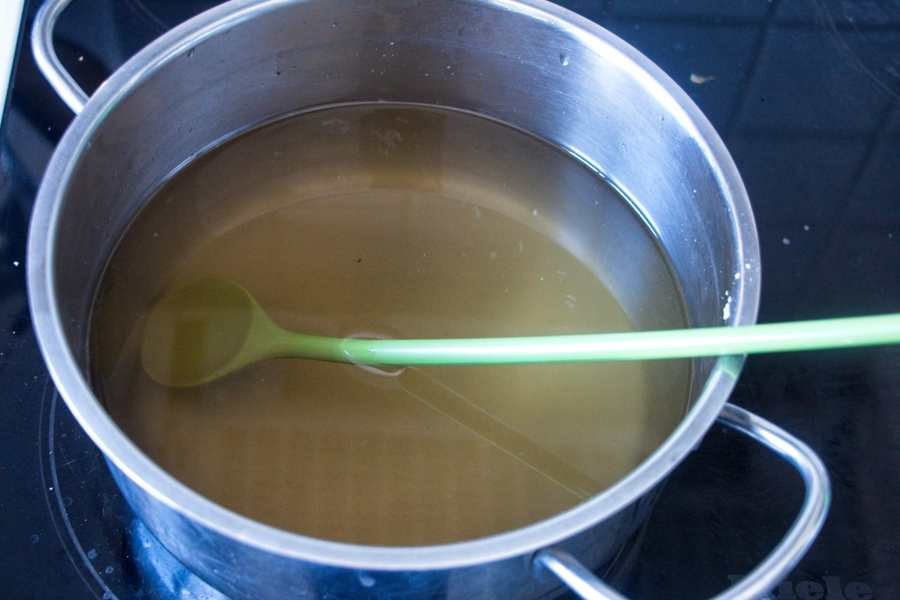
Pour the liquid back into the pan and add the sugar. Heat gently at first to dissolve, then bring to a low simmer.
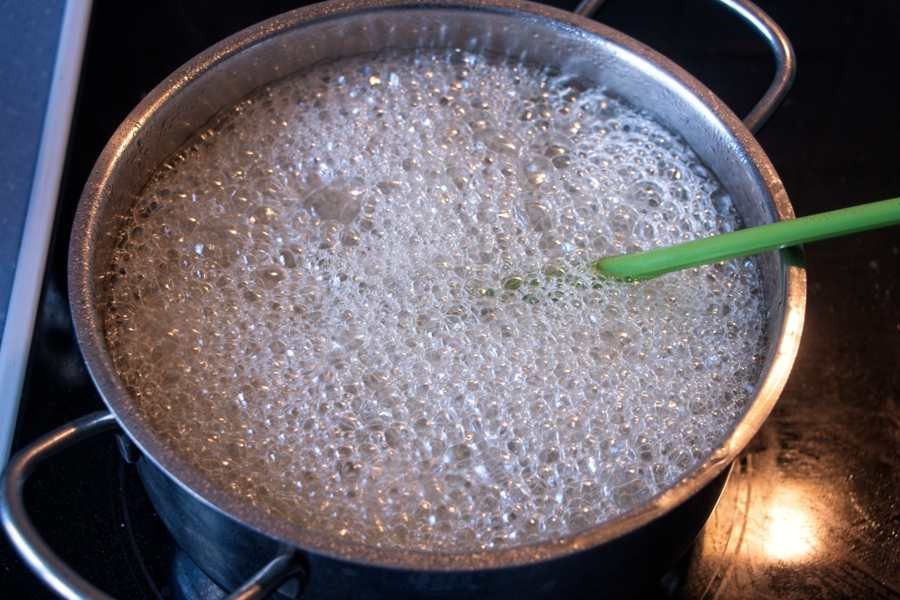
Let it reduce slowly, uncovered, until it thickens. Don’t rush this step—slow reduction gives a better flavour and texture.
When it starts to bubble aggressively on even a low heat, you have reached around the right thickness.
Step 6: Check consistency
This is the key step.
- Drop a small amount onto a cold plate to test
- It should be thick but still pourable
- Remember, it will thicken more as it cools
Step 7: Jar and cool
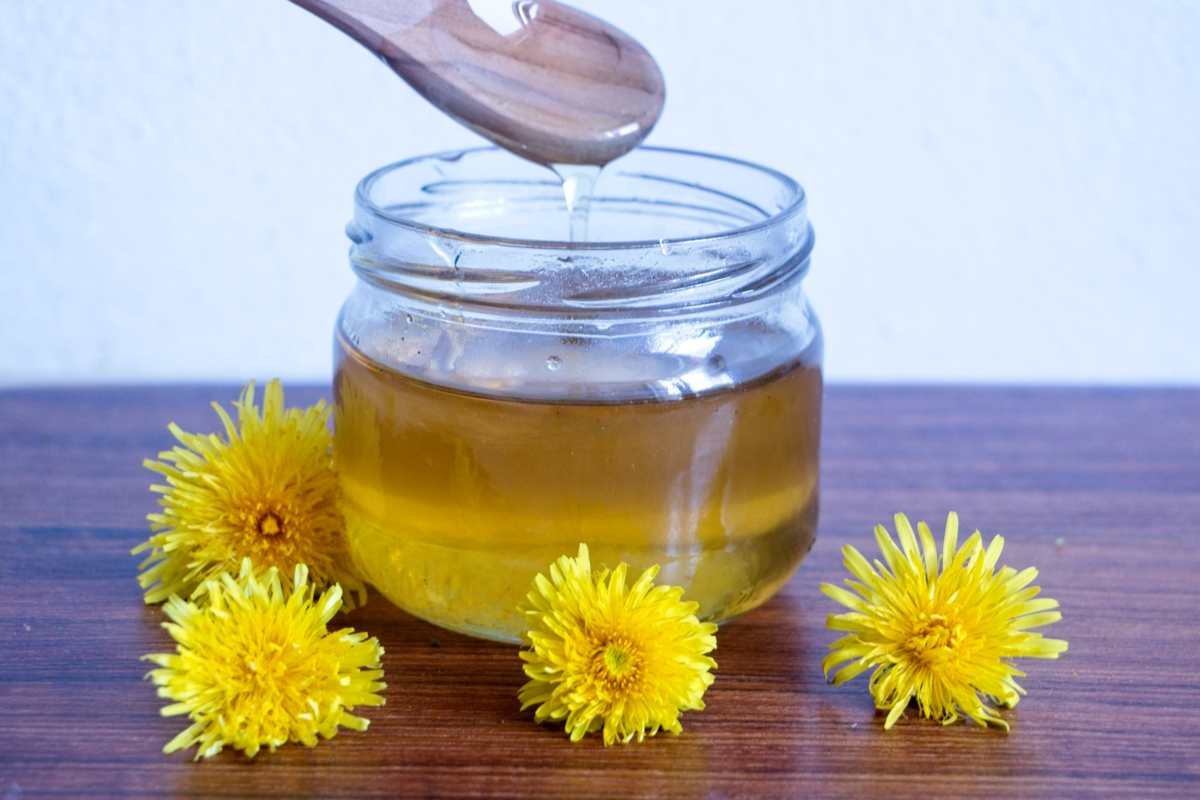
Pour into clean, sterilised jars and close while still hot and leave to cool completely. The dandelion honey will thicken further as it sets.
Getting the Perfect Consistency
Getting the consistency right is the trickiest part of making dandelion honey, and it’s where most people go wrong.
You’re aiming for a texture similar to runny honey—thick enough to coat a spoon, but still easily pourable.
- Too thin? Simply return it to the heat and let it simmer a little longer to reduce further.
- Too thick? Add a small splash of hot water and stir gently until you reach the right consistency.
Be careful not to overdo it. If you reduce it too much, you risk burning the syrup or causing it to crystallise, which will affect both the flavour and texture.
Remember, the syrup will thicken as it cools, so it’s better to stop slightly early than over-reduce it.
Storage & Shelf Life
Once cooled, store your dandelion honey in clean, sterilised jars.
- Cupboard vs fridge: Unopened jars can be kept in a cool, dark place for several months. Once opened, it’s best to store it in the fridge to keep it fresh.
- How long does it last? Thanks to the high sugar content, it will usually keep for a few months, and often longer if stored properly.
- Signs it’s gone off; Check for any mould, unusual smell, or fermentation (fizzing). If in doubt, it’s best to discard it.
Always use a clean spoon to avoid contamination.
How to Use Dandelion Honey
Dandelion honey can be used in much the same way as regular honey, but its lighter, floral flavour makes it especially good in drinks and simple recipes.
- Stir into tea or warm drinks for a gentle sweetness
- Drizzle over pancakes, toast, or porridge
- Use in salad dressings for a light, floral note
- Mix into sparkling water or sodas for an easy homemade drink
- Use in recipes that call for honey to keep them vegan
Because it’s slightly lighter than traditional honey, it works best in recipes where you want the sweetness without overpowering other flavours.
Explore other Wild Flower Recipes
Dandelion Honey
Ingredients
- 100-150 fresh Dandelion flower heads
- 500 ml water
- 350 g granulated sugar
- half a lemon sliced
Instructions
- Shake the dandelion flowers gently to remove insects. Do not wash. Spread on kitchen paper for 1–2 hours to allow any remaining bugs to leave.
- Roughly trim away the green base (involucre), keeping mostly the yellow petals.
- Place the prepared flowers in a saucepan with the water and lemon slices. Bring to a gentle simmer and cook for 5 minutes.
- Remove from heat and leave to steep for at least 2–4 hours, or overnight for a stronger flavour.
- Strain through a sieve or muslin cloth, pressing to extract all liquid. Discard solids.
- Return the liquid to the pan. Add sugar and heat gently until dissolved, then simmer uncovered until reduced and slightly thickened.When it starts to bubble aggressively on even a low heat, you have reached around the right thickness.
- Test on a cold plate. The syrup should be thick but pourable. It will thicken further as it cools.
- Pour into clean, sterilised jars while hot and close the lid loosely, and seal fully when cold.
Notes
Variations
- Apple dandelion honey
Add a few chunks of apple during the infusion. This adds a mild apple flavour and the pectic with turn the honey slightly jelly like - Floral blend
Mix in a small amount of other edible flowers (such as elderflower or lavender) to create a more complex aroma.
Storage & Freezing
- Store in a sealed jar in a cool, dark place for 2–3 months, or refrigerate once opened
- If it crystallises, gently warm to loosen
Vegan Dandelion Honey FAQs
Yes, you can use whole dandelion flowers, but they can add a slightly more bitter, green flavour. For a smoother, more honey-like result, it’s best to remove most of the green base.
Bitterness usually comes from using too much of the green parts of the flower or steeping the mixture for too long. Try using more petals and reducing the infusion time for a cleaner flavour.
It likely needs more time to reduce. Return it to the heat and simmer gently until it thickens. Also remember it will thicken further as it cools.
You can steep them for a few hours or overnight. A longer steep gives a stronger flavour, but too long can bring out more bitterness.
Yes, unlike raw honey, this doesn’t carry the same risks because it’s made from sugar and boiled ingredients. However, always use your own judgement.
Pick them on a warm, sunny day when the flowers are fully open. This is when they contain the most flavour.
One Comment