Wild Garlic Ketchup – Simple Ramsons Ketchup Recipe
Wild garlic ketchup is a tangy green condiment made with apples, vinegar, and fresh ramsons. A simple tomato-free ketchup perfect for spring cooking.
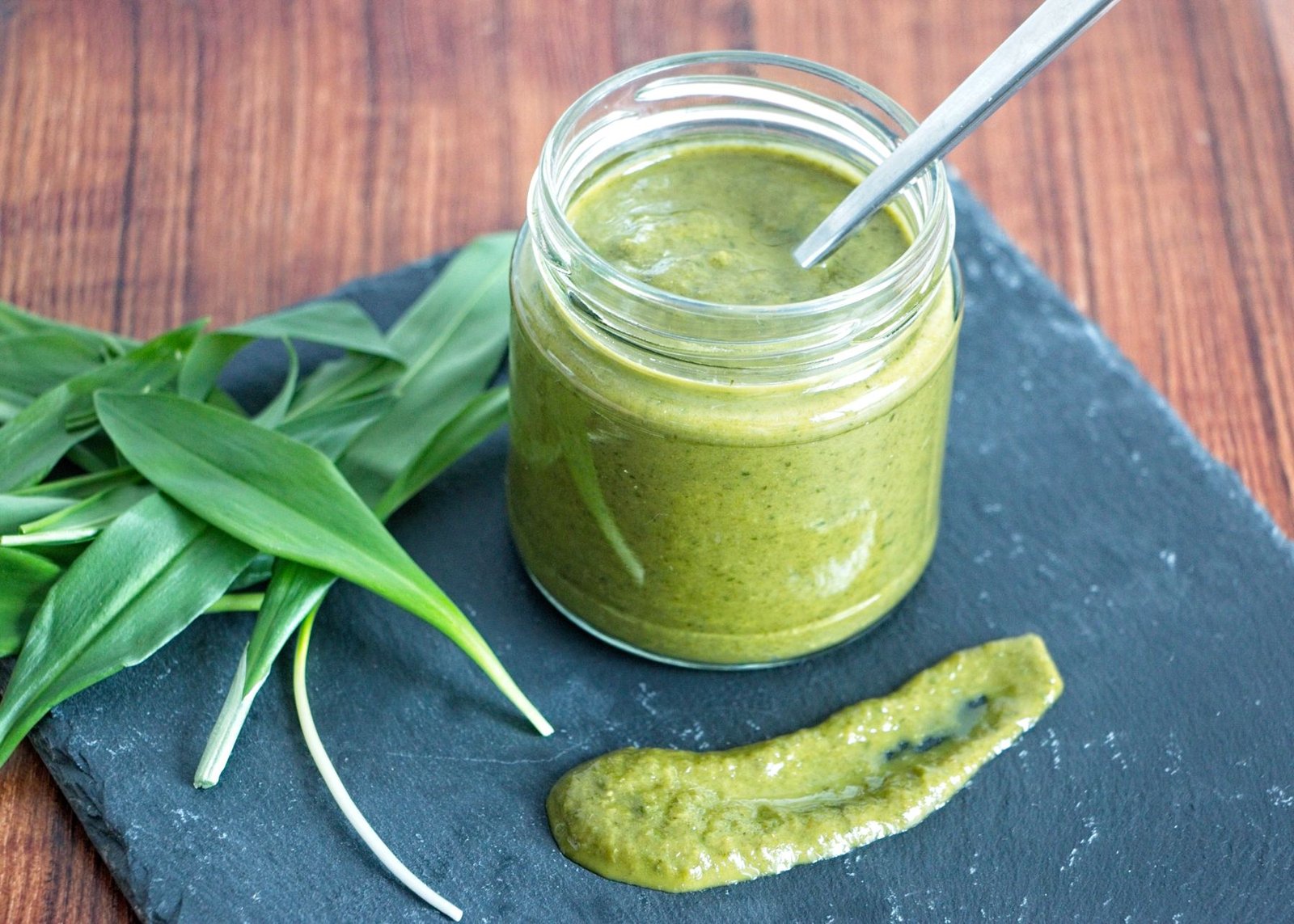
Wild garlic ketchup is a fresh, tangy condiment that captures the flavour of spring. Apples and onion give the sauce natural sweetness and body, while vinegar adds brightness and balance to the sharp, aromatic wild garlic. Making wild garlic ketchup at home is a simple way to preserve the short wild garlic season and add something distinctive to everyday meals.
Just last weekend we took a walk through the forest and an unmistakable smell filled our nostrils — garlic. It’s the scent that tells you wild garlic season has arrived, long before you even spot the bright green leaves on the forest floor. For me, it is a sign that the long dark winter is over and spring has really arrived. For this reason, it’s one of my favourite things to forage for. Plus, unlike looking for mushrooms like horn of plenty it’s incredibly easy to find, and something our four year old can help us with.
It didn’t take long to find huge patches of wild garlic covering the ground. Early March is still quite early though, so there wasn’t as much around as there will be in a week or two. By the time April arrives, you won’t be able to see the forest floor for all the wild garlic. Not far from where we live (within the city boundaries of Vienna) there is an area so abundant in wild garlic that it feels like half the city goes there to forage, and still not put a dent in the total amount!
What Is Wild Garlic?
Allium ursinum, known as wild garlic in the UK, or ramsons in the US, is a leafy green plant that grows wild in damp woodlands across much of Europe and North America in early spring. When the leaves are crushed they release a strong, fresh garlic aroma, which makes the plant easy to recognise while foraging. All parts of the plant are edible and very garlicky.
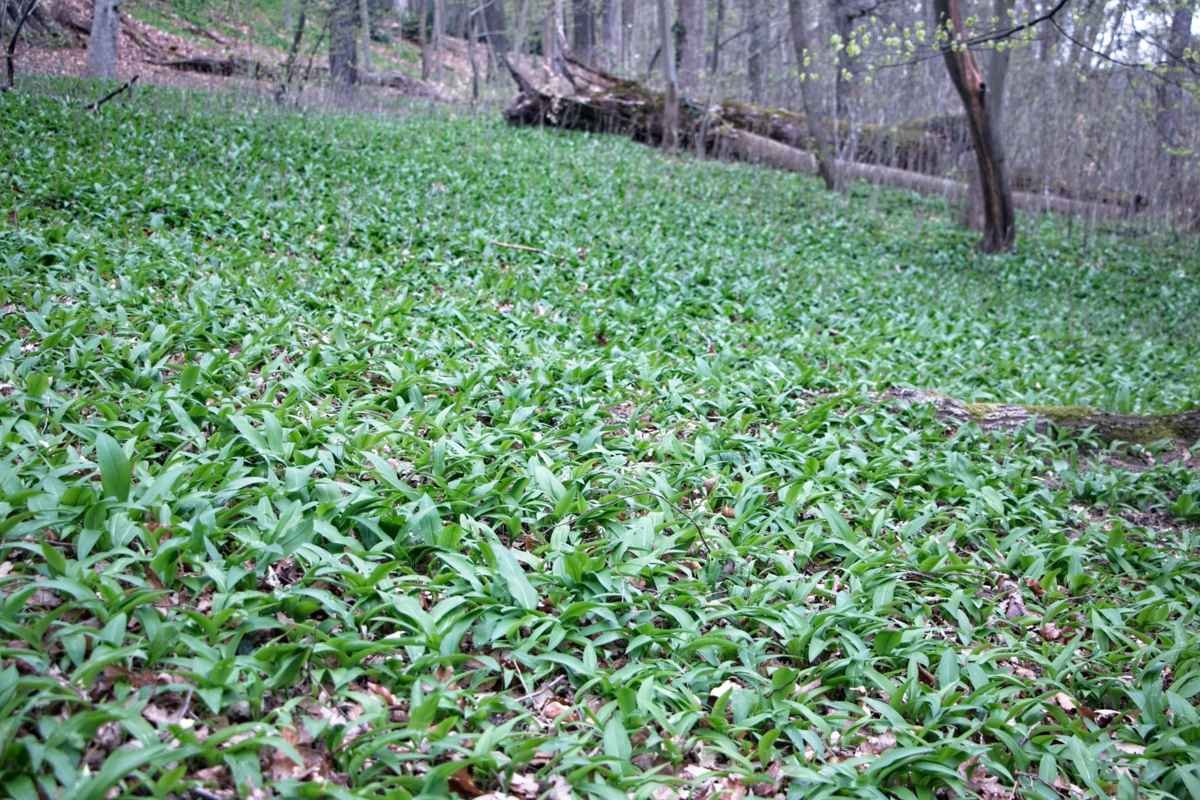
The leaves have a milder flavour than regular garlic and are often used in seasonal recipes such as pestos, soups, and sauces.
The first leaves begin appearing at the end of February or early March. This is probably the best time to pick the leaves as they are most tender when young. By April, huge areas of woodland will be completely covered in wild garlic, and they will begin sending buds upwards, that will eventually open to very pretty flowers. The opened flowers make a great addition to salads, but I love to pickle the unopened buds and treat them like a pungent garlic flavoured caper.
By June, most of the above ground parts of the plant will have died back complelty, leaving the woodland floor open for other plants.
Is It Safe to Forage for Wild Garlic?
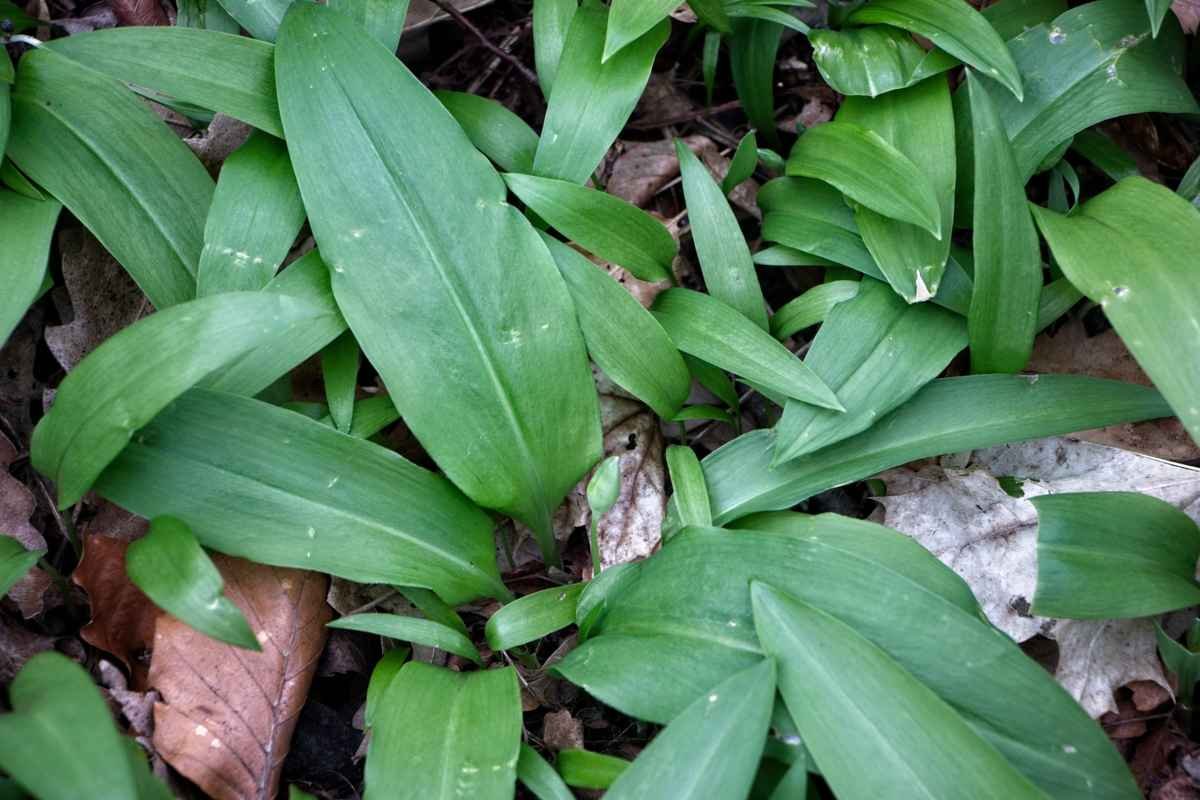
I would consider wild garlic to be one of the easiest plants to identify for a beginner forager, but that doesn’t mean that there is no risk. In fact, there is a look-alike plant that can be fatal if consumed in large enough quantities, but the risks of picking it can be greatly reduced or even eliminated by following a few simple rules.
- Smell what you take. Wild garlic has an extremely pungent garlic small. The simplest way to identify you have the right plant is to lightly crush the leaves between your fingers and smell them. If it isn’t extremely pungent, throw it away (there might be residue scent on your fingers so you don’t want “a little bit garlicky”)
- Pick leaves individually. When there is so much around, you might be tempted to start ripping out whole handfuls of leaves, but doing so adds risk. You could easily be grabbing 90% wild garlic and 10% anything else. Always play on the safe side and pull individually.’
- Only forage for leaves early in the season. Wild garlic is abundant from late February through early summer, giving the impression of a long foraging season. In practice, I usually harvest the leaves only until the end of March.
The reason is lily of the valley (Convallaria majalis), the main look-alike. Its leaves can appear in the same woodland habitats from early April, and when young they can look surprisingly similar to wild garlic — but the plant is highly poisonous.
For that reason, I prefer to pick wild garlic leaves early in the season, then wait until the distinct white flowers appear later before harvesting again. Usually just a couple of good walks provides more than enough to preserve for months anyway.
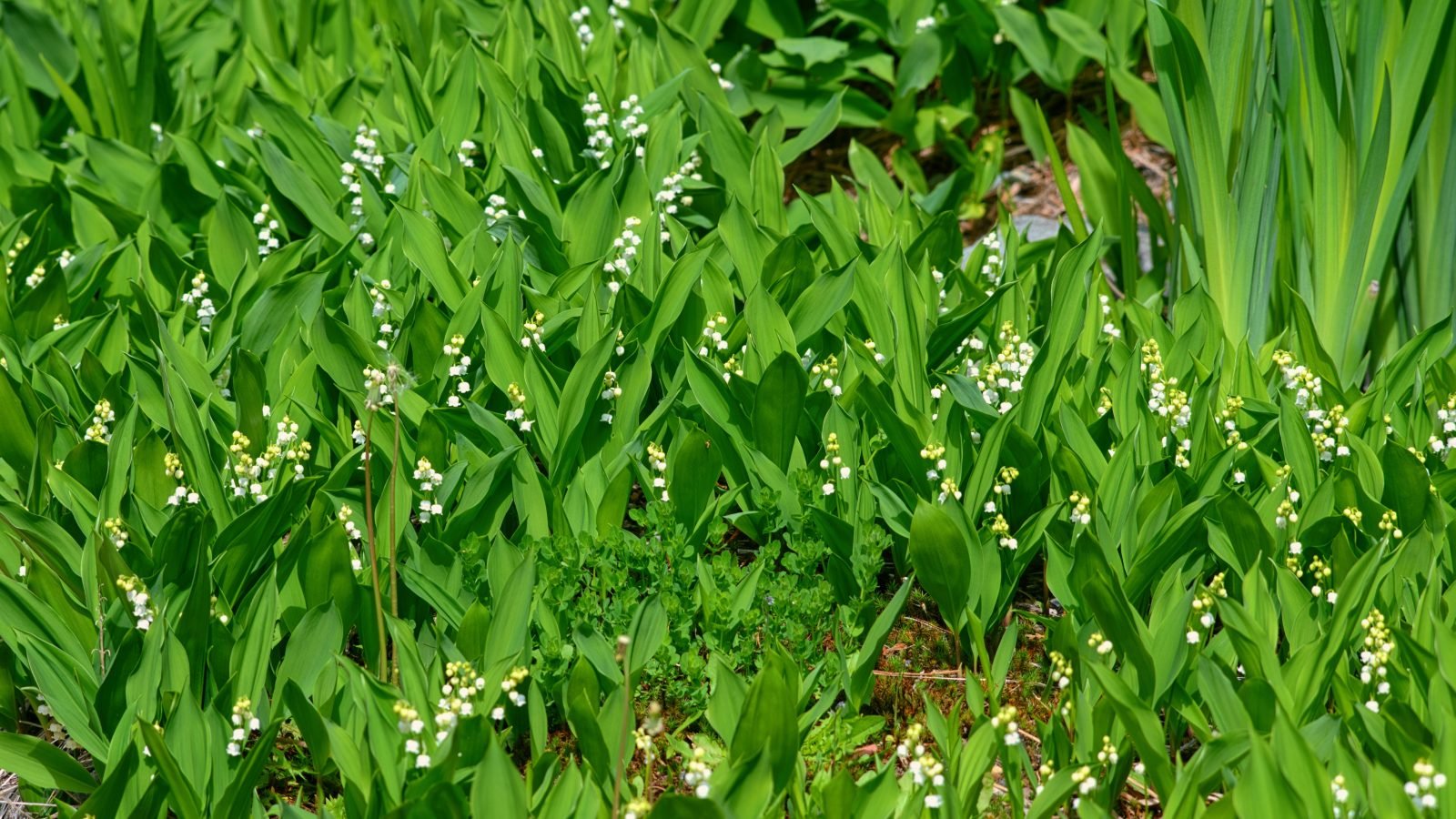
Photo by Townsend Walton on Unsplash
Ingredients Breakdown
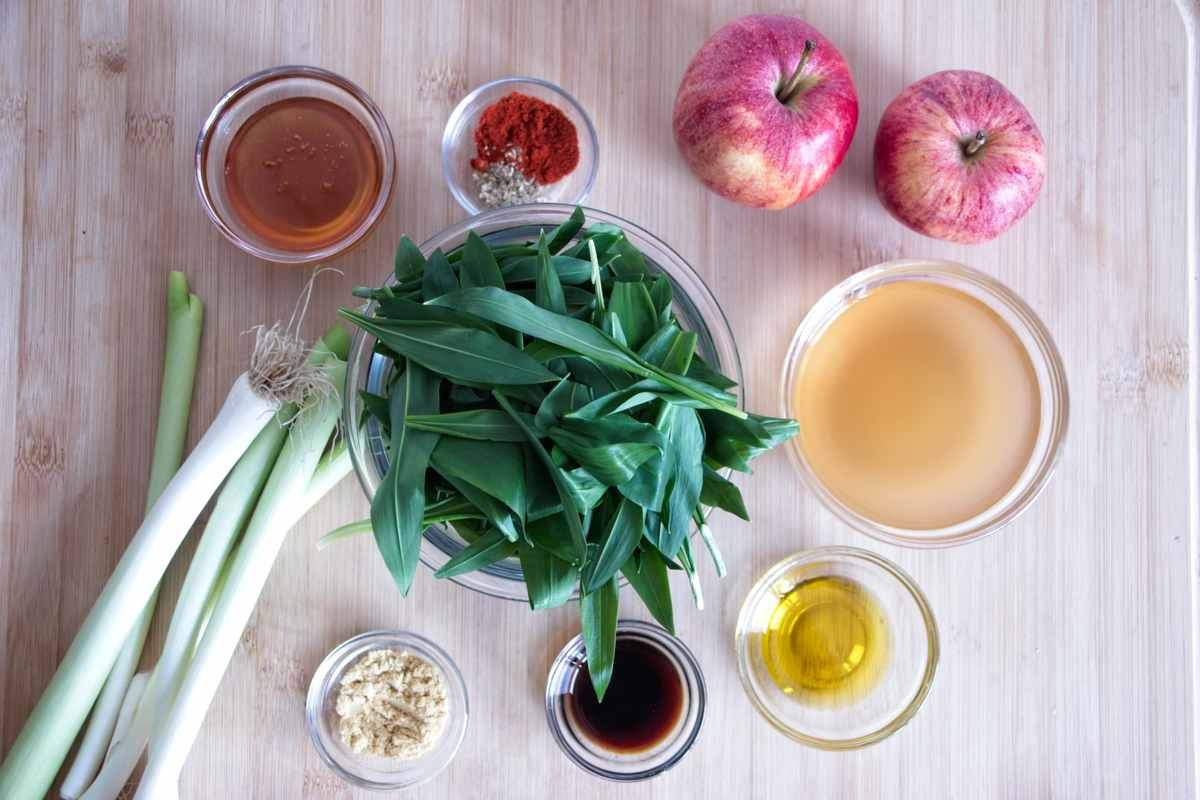
To make this wild garlic ketchup recipe, you’ll need just a few ingredients – most of which are pantry staples.
- 2 large handfuls of wild garlic leaves – about 60 grams
- 2 medium apples, peeled and diced
- 5 small spring oniona, chopped
- 250 ml apple cider vinegar (5%)
- 120 ml water
- 2 tbsp honey or brown sugar
- 1 tsp mustard powder
- ½ tsp paprika
- ½tsp salt
- 1 tsp soy sauce or tamari
- 1 tbsp olive oil
Step-by-Step Instructions
Prepare the ingredients.
Wash the wild garlic well and dry it thoroughly. Peel and dice the apples and finely chop the spring onions. Measure out the vinegar, water, honey or brown sugar, mustard powder, paprika, salt, soy sauce or tamari, and olive oil. Keep the wild garlic aside so it goes in later.
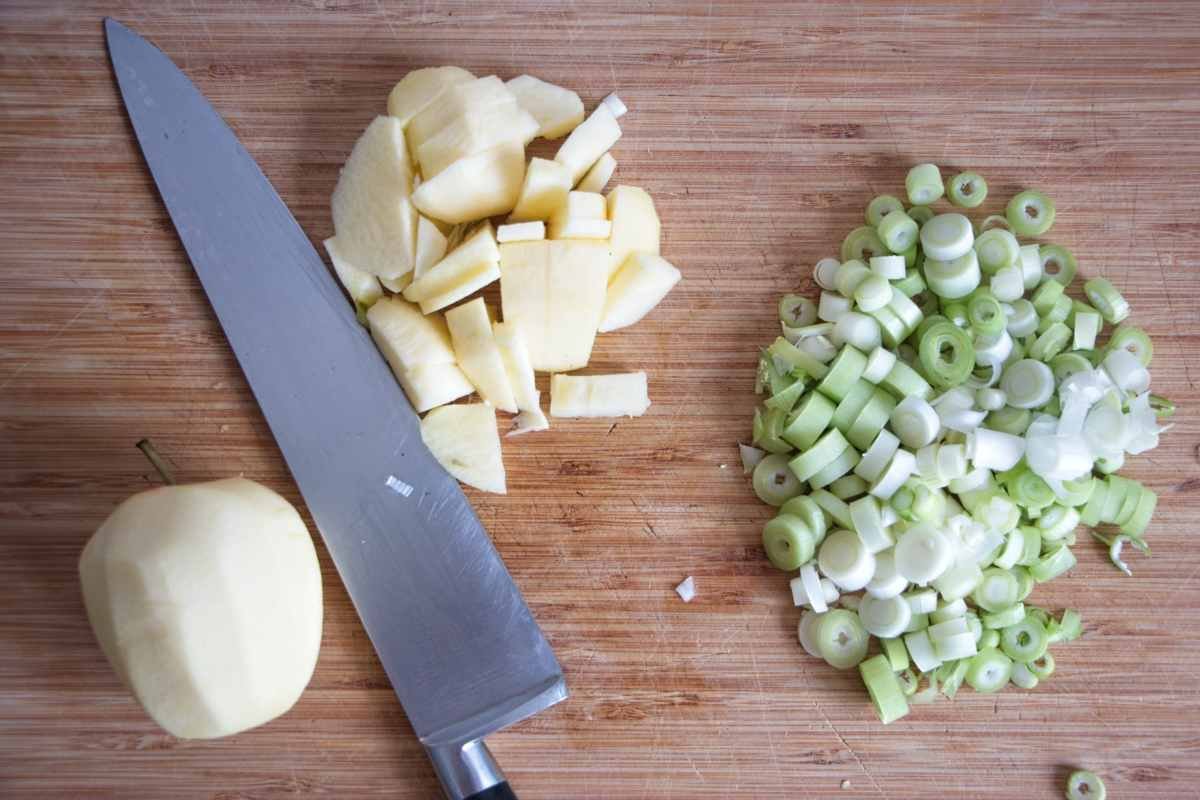
Sauté the spring onions.
Heat the olive oil in a medium saucepan over medium heat. Add the chopped spring onions and cook for 3–4 minutes, stirring occasionally, until they soften and become fragrant but not browned.
Cook the base.
Add the diced apples, apple cider vinegar, water, honey or brown sugar, mustard powder, paprika, salt, and soy sauce or tamari to the pan. Stir well and bring the mixture to a gentle simmer.
Simmer until soft.
Reduce the heat slightly and cook for 15–20 minutes, stirring occasionally, until the apples are very soft and easily collapse when pressed with a spoon. If the mixture looks dry before the apples are tender, add a small splash of water.
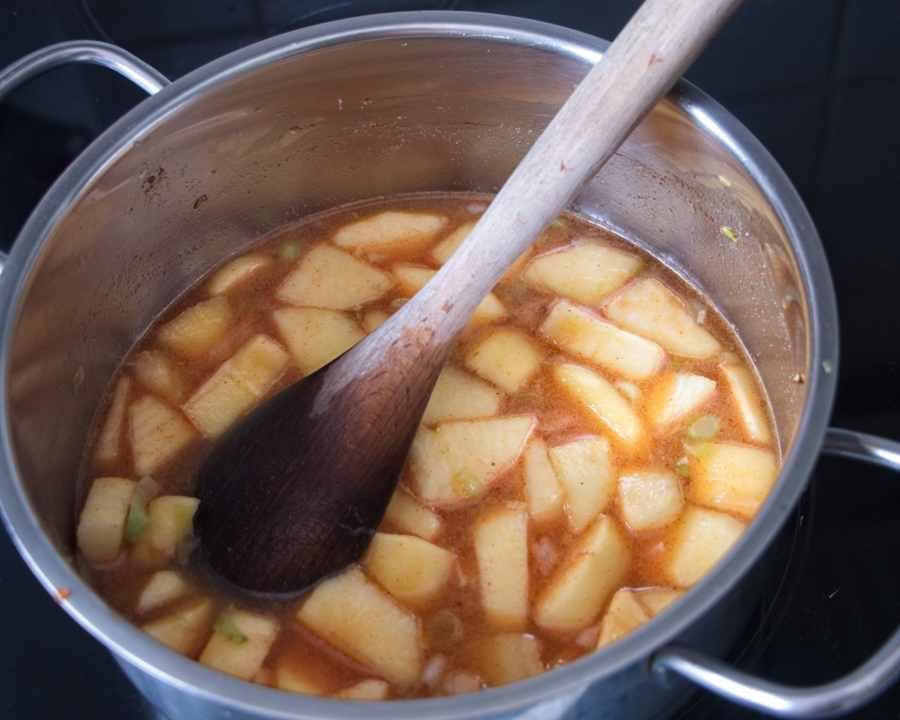
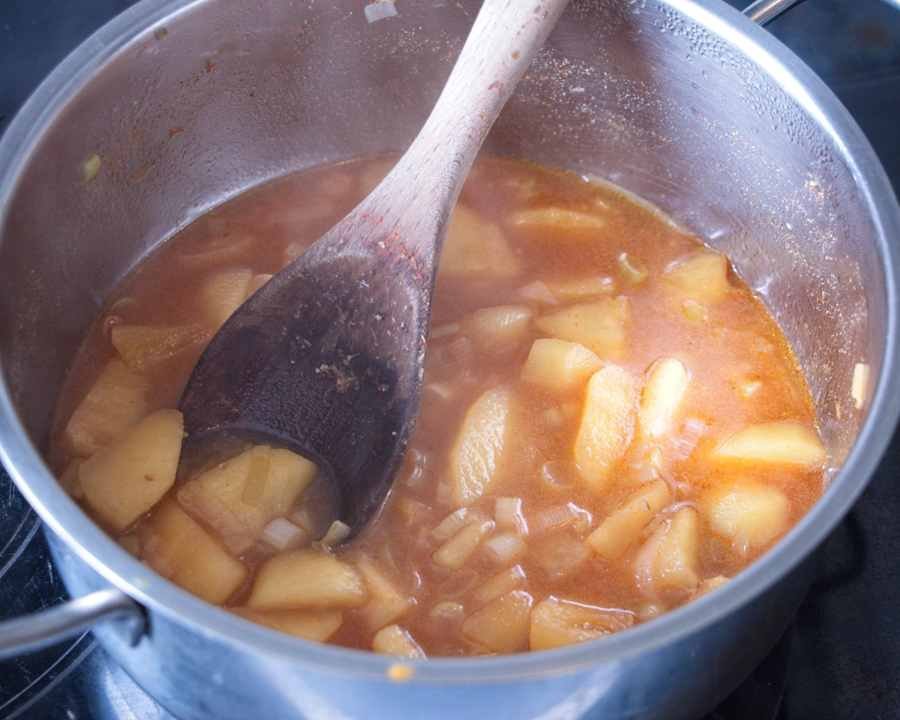
Blend until smooth.
Transfer the hot mixture to a blender and blend until completely smooth. Let the blender run for at least 30–60 seconds to fully break down the apple and onion. A stick blender works just as well here, but takes a little longer.
Add the wild garlic.
Add the wild garlic leaves to the hot blended base and blend again until smooth and evenly green.
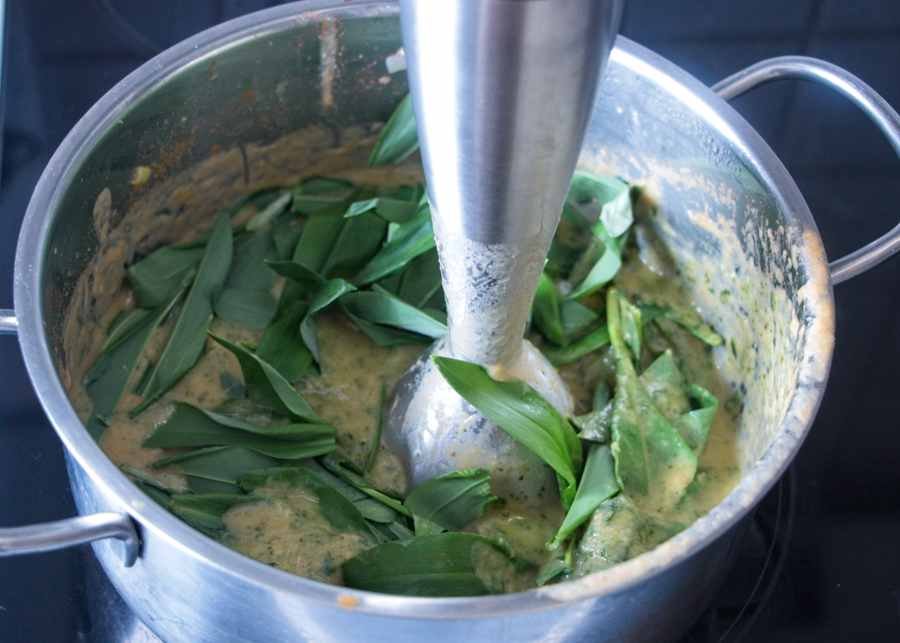
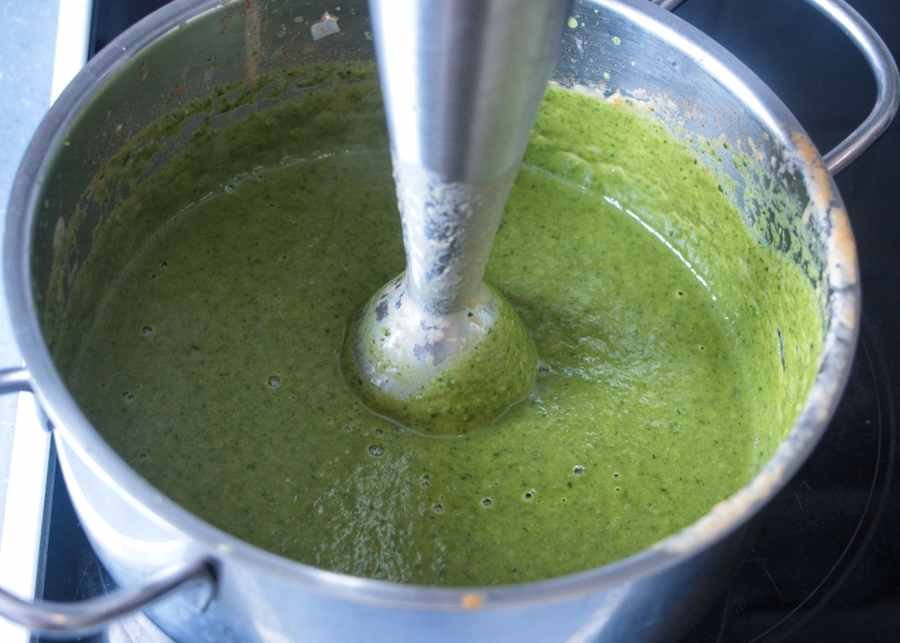
Taste and adjust.
Taste the ketchup while warm. Add a little more honey if it feels too sharp, or a splash of vinegar if it needs to be a bit sharper.
Jar and store.
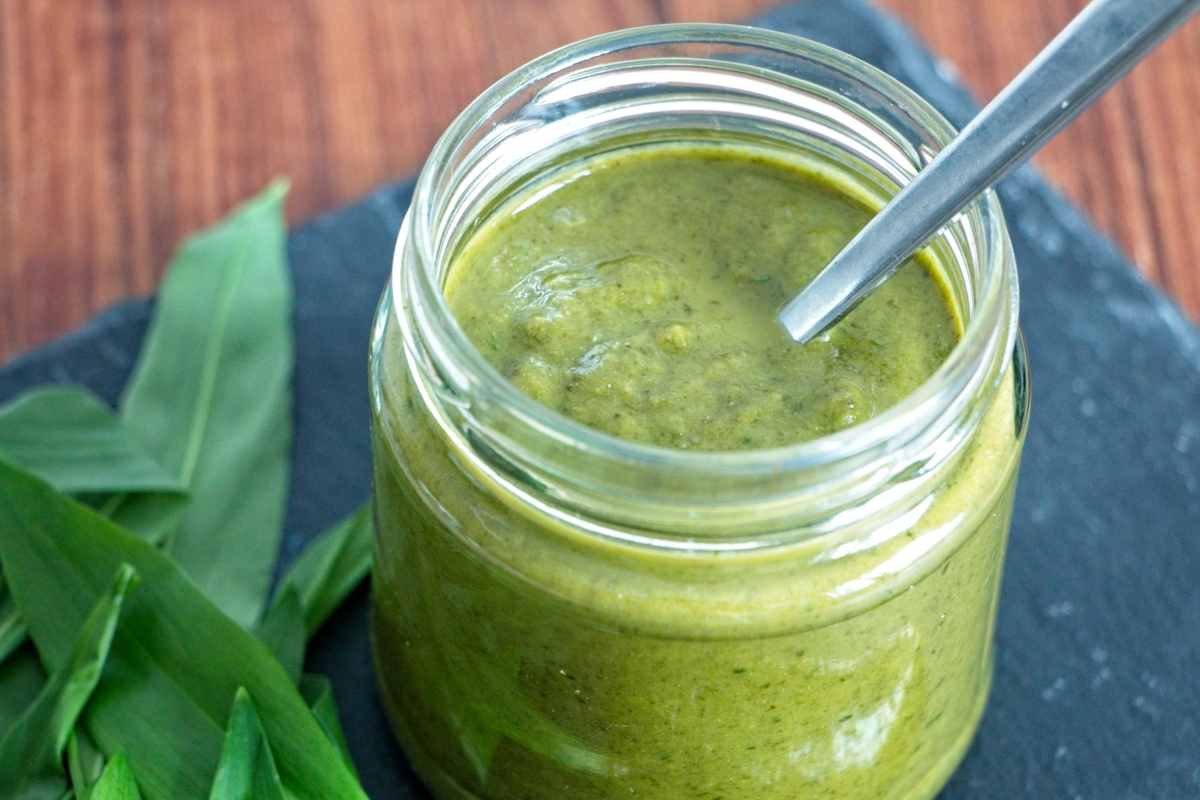
Pour the ketchup into clean jars and allow it to cool. Stored in the refrigerator, it should keep well for up to 4 weeks.
How to Preserve Wild Garlic Ketchup
While the base recipe will store for around a month in the fridge, it can also be preserved for longer if you add one extra step.
Wild garlic does not respond well to prolonged cooking. It tends to turn brown rather than staying bright green, which is why it’s blended into the sauce after the base ingredients are cooked. The downside is that the sauce hasn’t reached a high enough temperature to fully sterilise the wild garlic, so it isn’t shelf stable at that stage.
If you want to preserve it long term, you’ll need to sacrifice some of that bright colour. After blending, bring the ketchup briefly to the boil (a few seconds is more than enough) , then pour it into sterilised jars and process in a boiling water bath. Don’t boil it for too long as wild garlic quickly loses its flavour when exposed to prolonged heat.
The colour will shift from bright green to more of an olive green, but the flavour stays the same — a small trade-off for being able to enjoy one of spring’s best ingredients throughout the year.
The photos in this blog were taken after boiling, so you will have an idea of the colour it will end up.
Wild Garlic Ketchup
Ingredients
- 2 packed cups wild garlic leaves about 60 grams
- 2 medium apples peeled and diced
- 5 small spring onions chopped
- 250 ml apple cider vinegar 5%
- 120 ml water
- 2 tbsp honey or brown sugar
- 1 tsp mustard powder
- ½ tsp paprika
- ½ tsp salt
- 1 tsp soy sauce or tamari
- 1 tbsp olive oil
Instructions
- Heat the olive oil in a medium saucepan over medium heat. Add the chopped spring onions and cook for 3–4 minutes, stirring occasionally, until softened but not browned.
- Add the diced apples, apple cider vinegar, water, honey or brown sugar, mustard powder, paprika, salt, and soy sauce or tamari. Stir well and bring to a gentle simmer.
- Cook for 15–20 minutes, stirring occasionally, until the apples are very soft and the mixture has reduced slightly.
- Transfer the hot mixture to a blender and blend until completely smooth.
- Add the wild garlic leaves to the blender and blend again until the ketchup is smooth and evenly green.
- Taste and adjust if needed. Add a little more honey for a sweeter ketchup or a splash more vinegar for a sharper finish.
- Pour into a clean jar and cool completely before refrigerating.
- For longer storage, return the blended ketchup to the saucepan, bring it to the boil for around 10 seconds, then pour into sterilised jars and process in a boiling water bath.
Notes
Spiced version
Add a pinch of ground clove, allspice, or black pepper while the base is simmering. These spices move the flavour closer to traditional ketchup and give the sauce a slightly deeper profile.
Fruit variation
Replace one of the apples with pear for a softer sweetness, or use a sharp cooking apple if you prefer a more tangy ketchup.
Sweeter or sharper finish
Swap the honey or sugar for maple syrup or brown sugar if you want a warmer sweetness. If you prefer a sharper condiment, increase the vinegar slightly and reduce the sweetener.
Ingredient substitutions
If you don’t have spring onions, a small yellow onion or two shallots will work well.
Frequently Asked Questions
If you don’t plan to can the ketchupy, stored in a clean, sealed jar, it will usually keep around 4 weeks in the refrigerator. The vinegar helps preservation, but it should still be treated like a fresh condiment. Always use a clean spoon to avoid introducing bacteria.
If you do can it, it should last up to a year stored in a dark cupboard if unopened. Once opened, it will need to be eaten within the 4 week time frame.
Wild garlic loses its bright colour when it is cooked for too long. Blending the leaves into the hot base rather than simmering them directly helps preserve the green colour. If you boil the finished sauce for preservation, it will naturally shift toward an olive green.
Return it to a saucepan and simmer gently for a few minutes until it thickens slightly. Apples contain natural pectin, so the sauce will reduce and become more ketchup-like as water evaporates. It will also thicken a little more once cooled.
It works well with roasted potatoes or potato rösti, mushroom burgers, grilled vegetables, or any kind of nugget or fritter. Basically anywhere you fancy a ketchup with a garlicky twist.
Yes. Add a little more honey or sugar if you prefer a sweeter ketchup, or increase the vinegar slightly if you want a sharper finish. Taste and adjust while the sauce is still warm so the flavours blend smoothly.