
High Protein Scones: No Protein Powder Required
High protein scones made without protein powder, using skyr to keep the texture light and crumbly.

Most high protein bakes incorporate protein powder into the batter to up the protein, but that comes at the cost of altering the texture. For scones, texture is everything, and protein powder would royally mess it up. Luckily, these high protein scones really resemble traditional scones – texture and taste wise, and each has around 12 grams of protein when made with cheddar cheese.
I’ve written this as a basic high protein scone recipe, but when making it, I chose cheese scones because they’re my favourite. You can use the cheese or leave it out to make plain or fruit scones.
Ingredients Breakdown
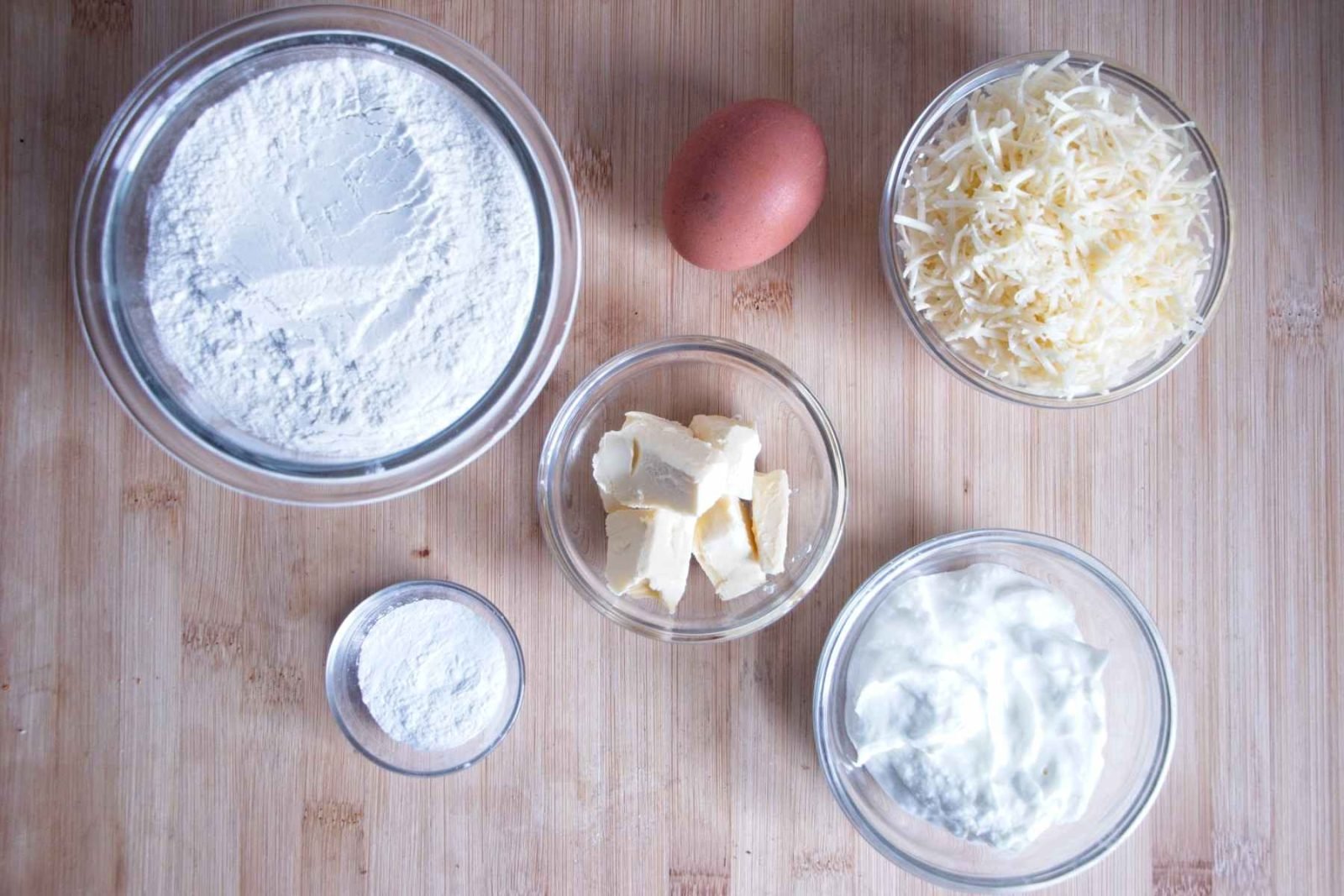
Plain flour
Provides structure and a tender crumb, allowing the scones to rise properly without becoming bread-like.
Skyr
Adds protein and moisture while keeping the dough light; thick Greek yogurt works as a practical substitute if needed, but contains more fat and less protein than Skyr.
Egg
Strengthens the dough and contributes protein, helping the scones hold their shape as they bake.
Butter
Creates flakiness and richness. It’s super important that it is very cold when being rubbed into the flour, or it will be greasy and the final texture will be off.
Cheddar cheese (optional)
Like I said before, I wanted to make cheese scones, so cheese was required: a mature cheddar gives more flavour with less quantity. If you want to make plain scones, just omit the cheese but keep everything the same. If you want fruit scones, replace the cheese with 60g sultanas.

Step-by-Step Instructions: High Protein Scones
Heat the oven and prepare the tray
Heat the oven to 200°C fan (220°C conventional). Line a large baking tray with baking paper.
Combine the dry ingredients
Add the plain flour, baking powder, and salt to a large bowl and whisk briefly to distribute the raising agent evenly.
Rub in the butter
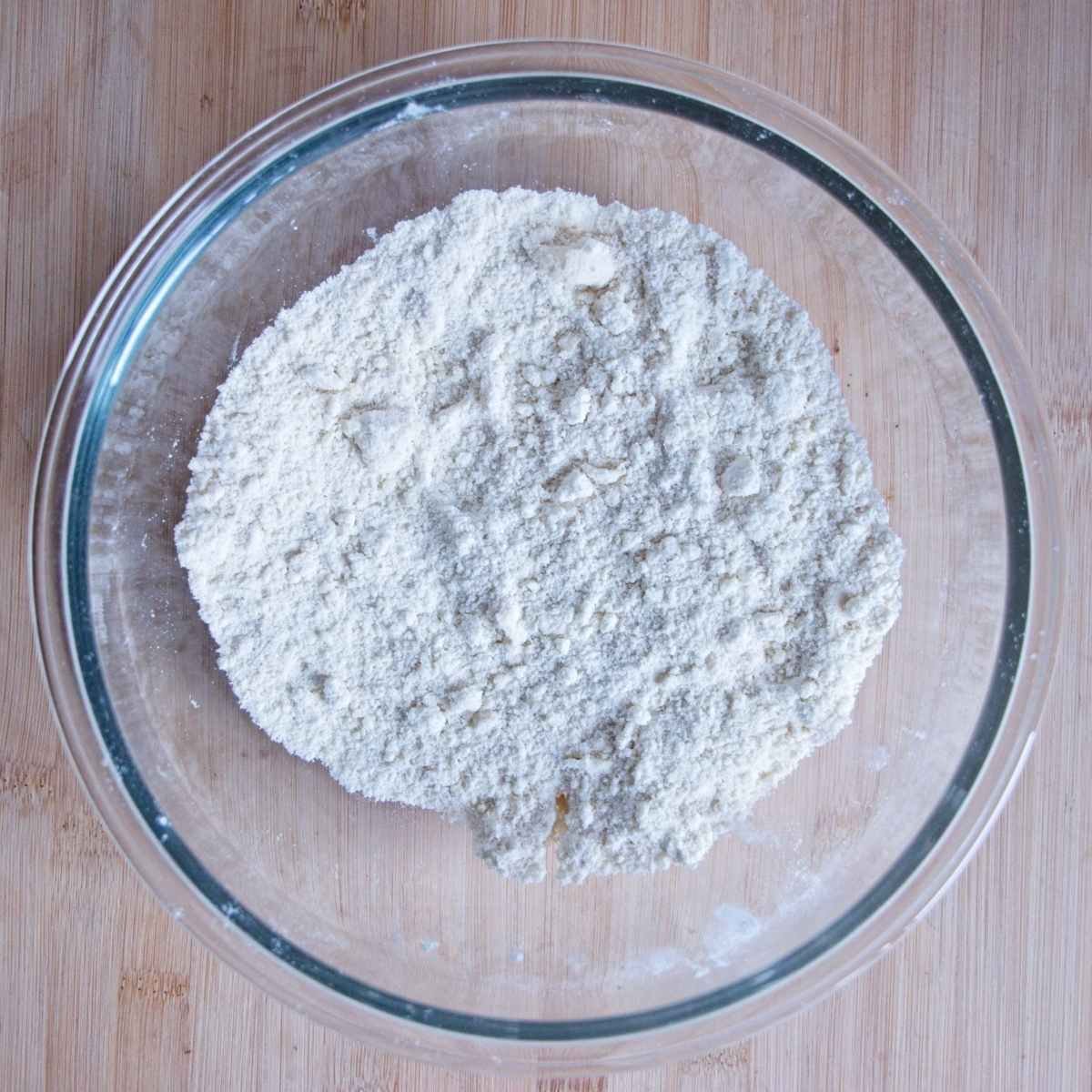
Add the cold, cubed butter and rub it into the flour with your fingertips until the mixture resembles fine breadcrumbs, with a few small butter pieces still visible. This helps the scones rise lightly rather than bake dense.
Add any flavour additions
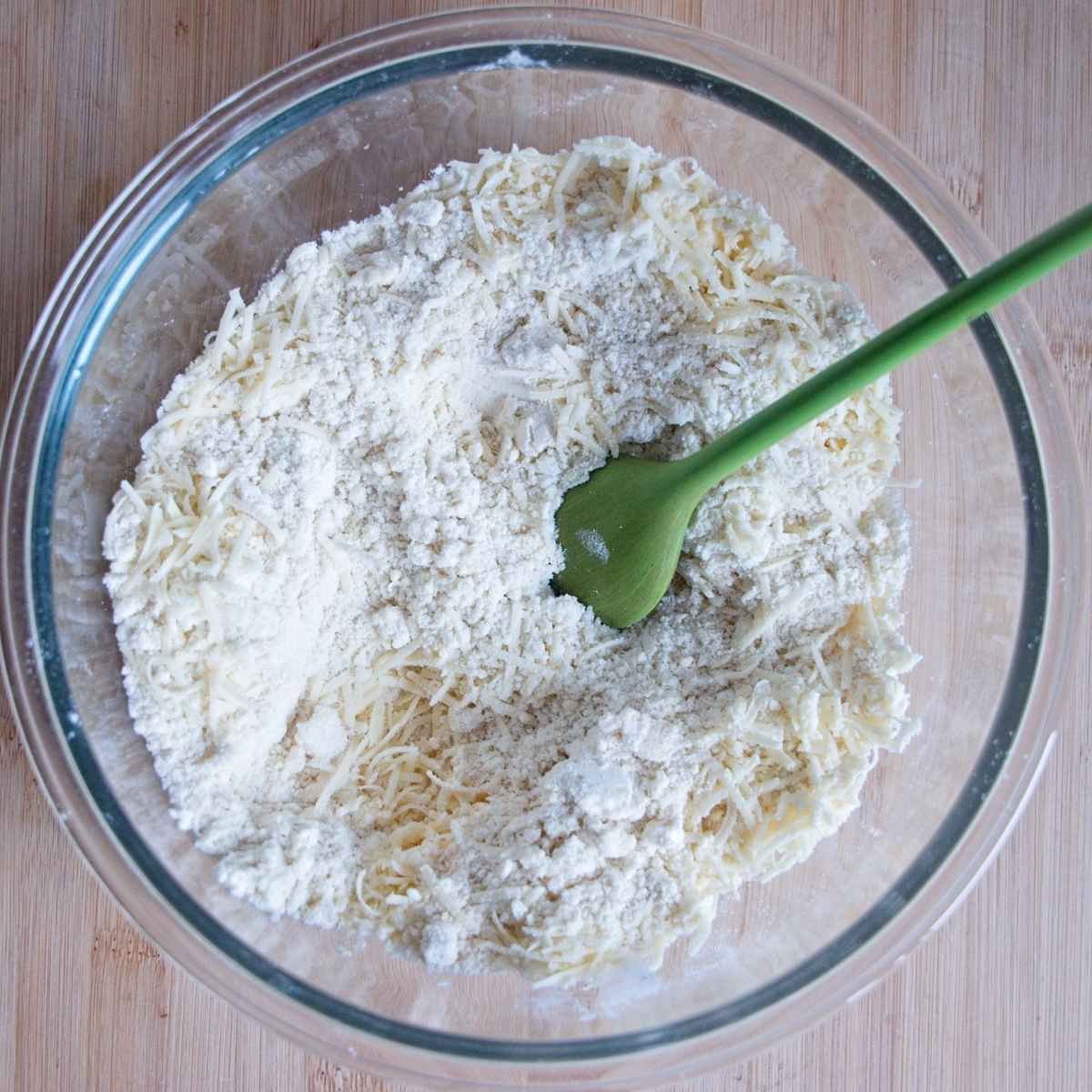
For cheese scones, stir in the grated cheddar (and black pepper if using).
For fruit scones, stir in 60–80 g sultanas, adding them now so they’re evenly dispersed before the wet ingredients.
Mix the wet ingredients
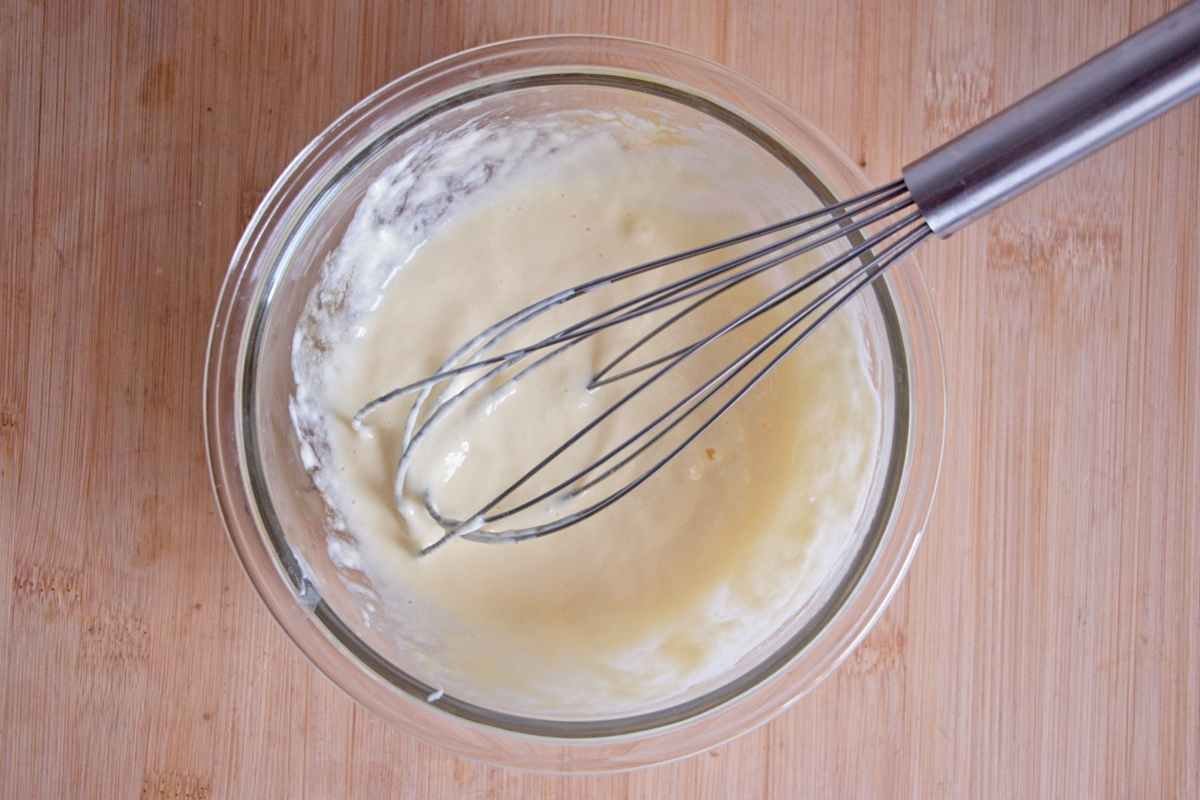
In a small bowl, whisk together the skyr and the egg until smooth. If the mixture is very thick, loosen it with 1 tablespoon milk.
Bring the dough together gently
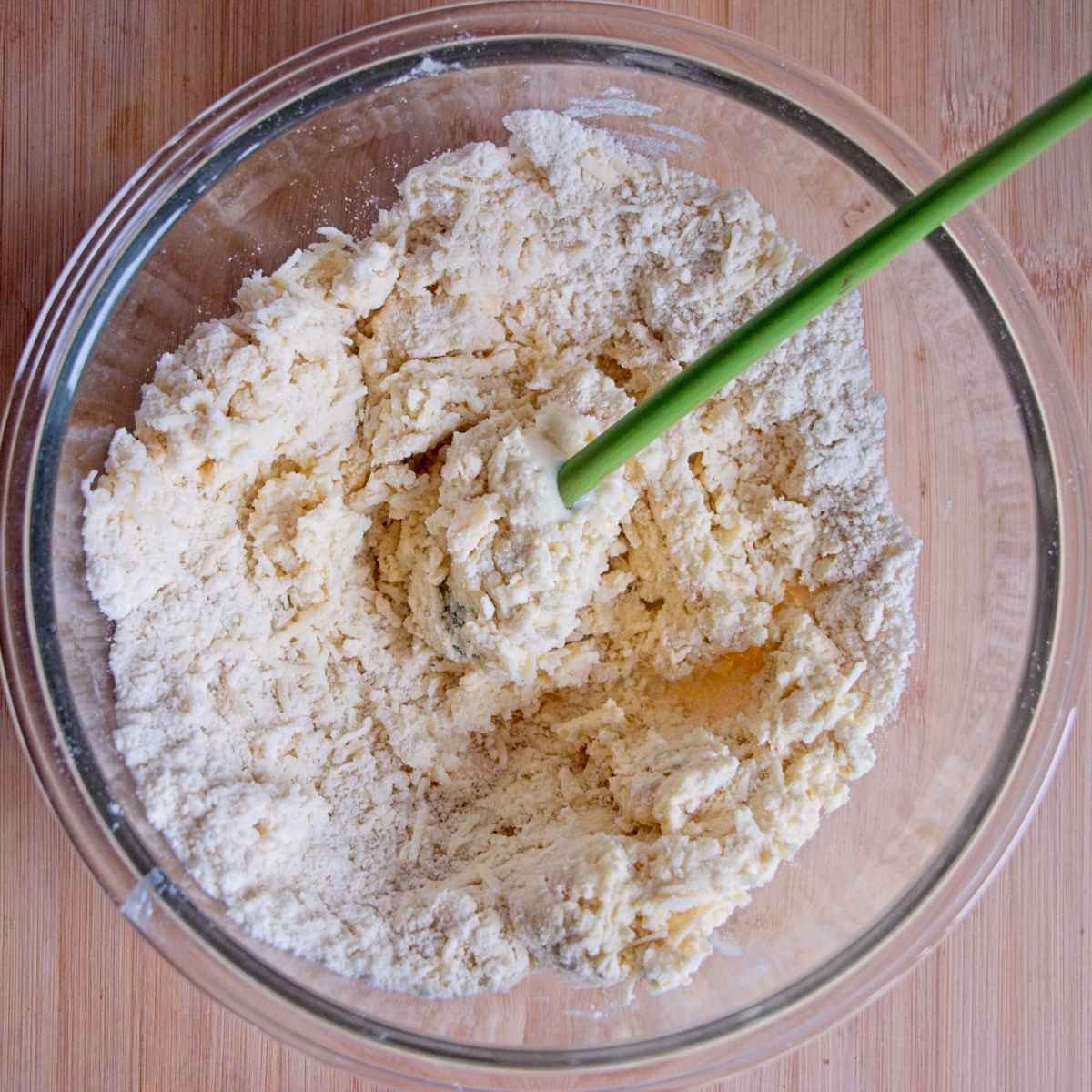
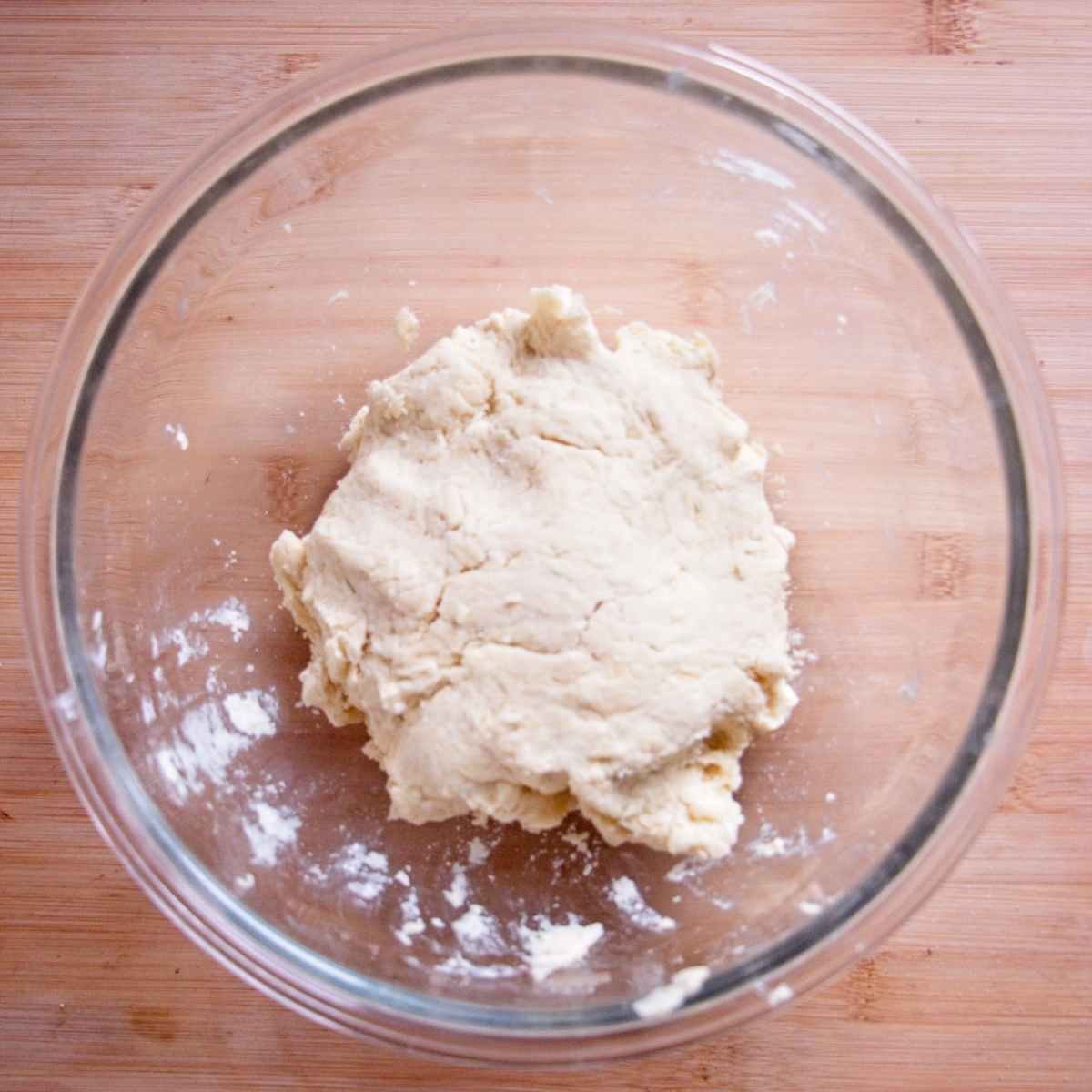
Add the wet mixture to the bowl and mix with a fork or spatula until a soft, shaggy dough forms. If dry patches remain, add milk a teaspoon at a time until it just comes together. Stop mixing as soon as there’s no loose flour.
Pat the dough to thickness
Turn the dough out onto a lightly floured surface and pat, not roll, to a thickness of 2.5–3 cm. If the dough feels warm or sticky, chill it for 5 minutes before cutting.
Cut the scones cleanly
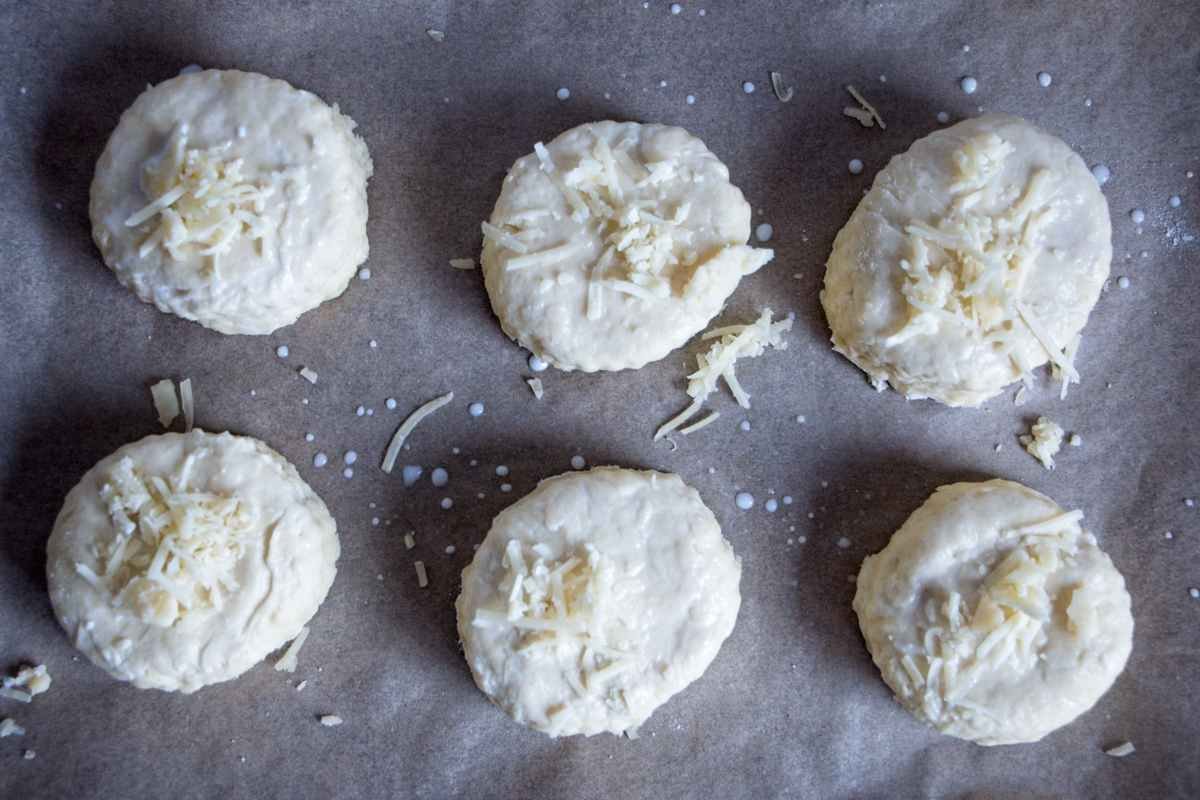
Cut into 6 scones using a 5–6 cm cutter or a sharp knife. Press straight down without twisting so the sides stay open and rise evenly in the oven. Place the scones on the papered tray leaving a bit of space as they will expand outwards a little.
I like to brush them with a little milk here so they colour nicely, and if making cheese scones, sprinkle a little more over the top for a cheesy crust.
Bake until risen and set
Bake for 12–15 minutes until the scones are well risen, pale golden, and feel set on the sides. The should sound a bit hollow when tapped on the base.
Cool before serving
Transfer to a wire rack and cool for 10–15 minutes. This time is important as the centre will still be a little doughy when straight out of the oven, but the crumb will continue to set out of the oven.
Scones are always best eaten warm out of the oven. I personally like my cheese scones with homemade chutney and blue cheese, or my plain scones with clotted cream and homemade jam.

Make-ahead and storage
Once fully cool, store in an airtight container for up to 24 hours. Scones freeze exceptionally well, and these high protein scones are no different. Freeze baked scones for up to 3 months, then defrost and warm briefly in a hot oven before serving.
More High Protein Recipes
- No-Bake Chocolate Peanut Butter Protein Bars
- High Protein Flapjacks
- Chocolate Peanut Butter Protein Cookies
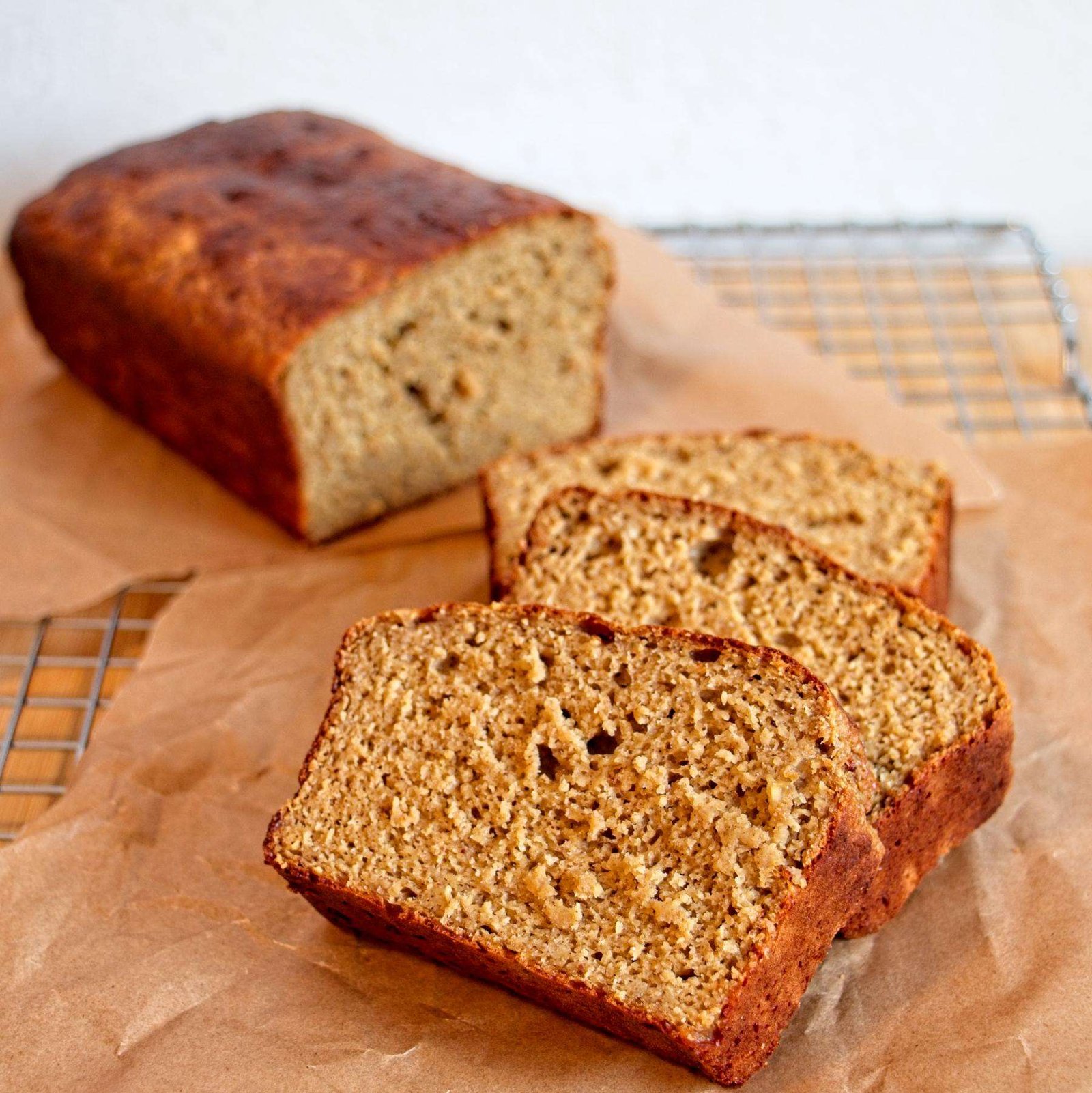
- Protein Banana Bread with Cottage Cheese
- High Protein Millionaire’s Shortbread
High Protein Scones
Ingredients
- 200 g plain flour
- 1½ tsp baking powder
- ¼ tsp fine salt
- 40 g cold unsalted butter cubed
- 120 g skyr or Greek yogurt is Skyr is unavailable
- 1 large egg
- 120 g mature cheddar grated. optional, for cheese scones
- 60 g sultanas optional, for fruit scones
- 1 –2 tbsp milk as needed
Instructions
- Heat the oven to 200°C fan (220°C conventional) and line a baking tray with baking paper.
- In a large bowl, mix the flour, baking powder, and salt.
- Rub in the cold butter until the mixture resembles fine crumbs, with a few small butter pieces remaining.
- If making cheese scones, stir in the grated cheddar. If fruit scones, stir in the sultanas.
- In a small bowl, whisk the skyr with the egg until smooth.
- Add the wet mixture to the dry ingredients and mix gently until a soft dough forms. Add milk a little at a time only if needed.
- Turn the dough onto a lightly floured surface and pat to 2.5–3 cm thick. Cut into 6 scones without twisting the cutter.
- Place on the tray with enough space between them to account for outward expansion. Brush with milk and bake for 12–15 minutes until well risen and pale golden.
- Cool on a rack for 10–15 minutes before serving.
Notes
- Plain version: Omit the cheddar and add 1 extra tbsp (15 ml) milk if the dough feels tight; keep the dough soft but not sticky.
- Mustard and pepper cheese scones: Add 1 tsp mustard powder and ½ tsp black pepper to the dry mix before rubbing in the butter.
- Fruit version: Replace cheddar with 60–80 g sultanas. If they’re dry, soak briefly in hot water, then drain and pat dry before adding.
- Skyr swap: Thick Greek yogurt works; if it’s looser, reduce milk (you may not need any).
Yes. Using skyr, quark, or thick Greek yogurt adds protein while keeping the dough workable and the crumb light. Protein powder tends to dry the dough and dull the rise, which is why it’s avoided here.
This usually comes from overmixing or adding too much liquid. Mix only until the dough comes together and pat it gently rather than rolling, which helps keep air in the dough.
You can cut the scones, cover them, and chill them for up to 12 hours before baking. Bake straight from the fridge so they hold their shape and rise cleanly.
Once completely cool, store them in an airtight container at room temperature for up to 24 hours. For longer storage, freeze them and reheat briefly in a hot oven to refresh the texture
Yes. Divide the dough after it’s mixed, then fold cheese or sultanas into portions by hand. Keep handling minimal so the crumb stays light.
These are really good! I decided I wanted to do a cheddar green chile scone but I didn’t realize the extra moisture from the canned green chile would make it super sticky. Would you suggest I add additional flour or less yogurt? Curious on how you would go about it.
Hi Amber, thanks for the comment. I would probably just add a little more flour at the end while trying to bring it all together. It’s always a good idea when making scones to have a little extra flour next to you as they go very quickly from a bit too dry to a bit too wet (and back again). But a sticky scone batter is too bad as long as you can work them and get them into a shape you are happy with. An overly dry mixture is a bigger problem as the final baked scone will be even drier.
Thanks, Mike